
Introduction
Digging a well can seem like an intimidating task, but with the right preparation and guidance, it doesn’t have to be. This article provides a comprehensive overview of the steps involved in digging a well and offers insights into safety considerations and other important factors. By following the instructions outlined here, you can rest assured that your well will be properly installed and secure.
Research the Process
Before beginning any project, it’s important to research the process thoroughly. In the case of well digging, this means outlining all necessary steps and safety precautions. The American Ground Water Trust recommends that those planning on digging a well “learn as much as possible about the process before starting.” Some key points to consider include the depth of the well, the type of soil surrounding the area, and the presence of nearby structures or other potential hazards.
Select the Right Location
Selecting the right location for your well is essential. According to the National Ground Water Association, the area should be “free of contamination from septic tanks, animal wastes, and other sources.” It’s also important to take into account any local regulations or restrictions that may apply to the property. Once you’ve identified a suitable area, it’s time to move on to the next step.
Acquire the Appropriate Equipment
Gathering the necessary tools and materials is a crucial part of the well-digging process. A few items you may need include a shovel, a pickaxe, a steel auger, a power drill, and a pump. Be sure to purchase quality materials that are designed to withstand the elements and last for years to come.
Secure a Professional Contractor
It’s advisable to hire a qualified contractor when undertaking a project as large as digging a well. Not only can they provide expertise and advice, but they can also ensure that the job is done correctly and safely. When selecting a contractor, be sure to inquire about their experience and ask for references from past clients.
Prepare the Site
Once you’ve acquired the necessary equipment and hired a contractor, you’re ready to begin preparing the site. Make sure that the area is clear of obstructions, such as rocks, roots, and other debris. Then, depending on the size of the hole you plan to dig, you may need to use a jackhammer or pneumatic drill to break up the ground before commencing excavation.
Dig the Well
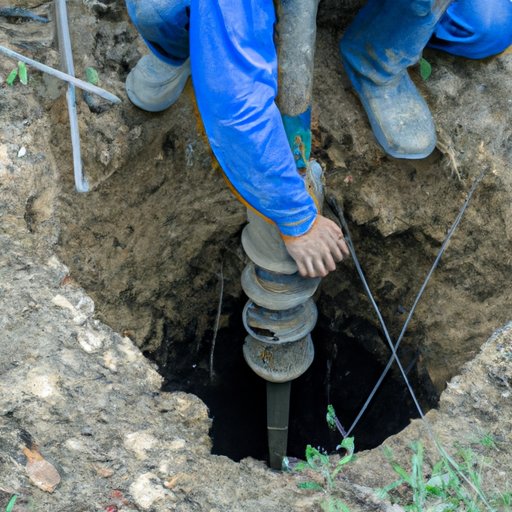
When you’re ready to start digging, be sure to follow all appropriate guidelines and use the right techniques and equipment. Depending on the circumstances, you may need to use a combination of hand and mechanical digging methods. As you progress, it’s important to monitor the water level and make sure that the sides of the well remain stable.
Seal the Well
Once you’ve reached the desired depth, it’s time to seal the well. This is an extremely important step, as it helps prevent contaminants from entering the water source. It’s best to use approved materials for this purpose, such as concrete or bentonite clay. Once the well is sealed, be sure to check for leaks and other signs of damage.
Conclusion
In conclusion, digging a well is a complex process that requires careful research and preparation. By taking the time to select the right location, acquire the necessary equipment, and secure a qualified contractor, you can ensure that your well is properly installed and secure. With the right knowledge and the right approach, you can be confident in the success of your project.
(Note: Is this article not meeting your expectations? Do you have knowledge or insights to share? Unlock new opportunities and expand your reach by joining our authors team. Click Registration to join us and share your expertise with our readers.)