
Introduction
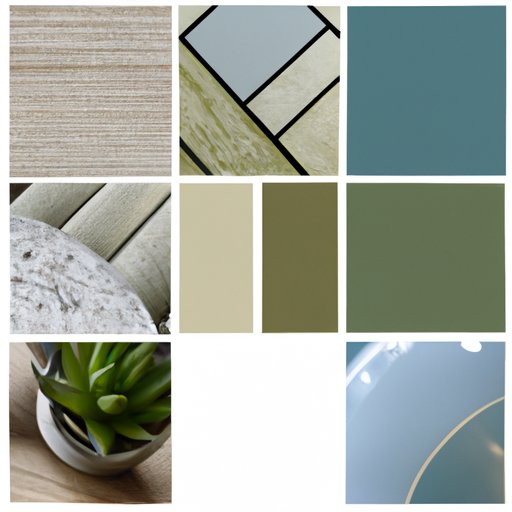
When it comes to interior design projects, a mood board is an essential tool. But what exactly is a mood board? A mood board is basically a collage of images, textures, and other elements that help you express the look and feel of your design project. It’s used to bring together all of the ideas and inspirations you have for the space and create a cohesive look.
This article will provide a step-by-step guide on how to create a mood board for your interior design project. We’ll explore how to start with a vision, find inspiration, choose colors, incorporate textures, and put it all together. With these tips, you’ll be able to create a mood board that expresses your unique style and vision for the space.
Start with a Vision
Before you begin creating your mood board, it’s important to have a vision for the space. Take some time to think about the overall look and feel you want to achieve in the room. Are you going for a modern, minimalistic look? Or do you want to create a cozy, rustic vibe? Once you have a vision in mind, you can start to create your mood board.
How to Create a Vision for the Space
Start by considering the purpose of the space. Who will be using it? What activities will take place there? This will help you determine the overall atmosphere of the room. You should also think about the size and shape of the room and how that might affect the design. Finally, consider any existing furniture or other elements that will need to be incorporated into the design. All of this will help you create a clear vision for the space.
How to Use that Vision to Create a Mood Board
Once you have a vision for the space, you can start to create your mood board. Start by gathering images and other elements that evoke the desired look and feel of the space. These could be photos, fabric swatches, paint chips, drawings, magazine clippings, etc. You can even include items like furniture pieces or art that you plan to use in the design. Put all of these elements together to create a mood board that reflects your vision for the space.
Harness Your Inspiration
Now that you have a vision for the space, it’s time to find some inspiration. Look to magazines, websites, Pinterest boards, and other sources to get ideas for the design. Try to find images that capture the look and feel you’re going for in the space. Don’t be afraid to get creative – you never know what kind of inspiration you might find!
Finding Inspiration from Magazines, Websites, and Other Sources
Start by looking through magazines and websites for images that capture the look and feel you’re going for in the space. Make note of any furniture pieces, fabrics, colors, or other elements that you find inspiring. You can also use Pinterest boards to get ideas and gather images. Gather as much inspiration as you can – it will come in handy when you start creating your mood board.
Creating an Inspiring Mood Board
Once you have gathered some inspiration, you can start to create your mood board. Start by laying out all of the images and other elements that you have gathered. Arrange them in a way that captures the overall look and feel of the space. Add in any furniture pieces or art that you plan to use in the design. The goal here is to create a mood board that conveys your vision for the space.
Choose Your Colors
Choosing the right colors can have a huge impact on the overall look and feel of the space. Think about the emotions or feelings you want to evoke in the room and choose colors that will help you achieve that. For example, if you want to create a calming atmosphere, you might choose cool blues and greens. Or if you’re going for a more energizing vibe, you might choose brighter colors like yellows and oranges.
Choosing Colors That Evoke Desired Emotions or Feelings in the Room
When choosing colors for your mood board, think about the overall look and feel you want to achieve in the space. Do you want it to be calming and serene? Or energizing and vibrant? Choose colors that will help you achieve that. You can also use color psychology to determine which colors evoke certain emotions or feelings. For example, blue is often associated with calmness and relaxation, while red is associated with energy and excitement.
Incorporate Textures
Textures are an important element of any interior design project. They add visual interest and dimension to the space. When creating your mood board, don’t forget to include various textures. This could be anything from fabrics to wallpapers to wood finishes. Think about the overall look and feel you’re going for in the space and choose textures that will help you achieve that.
How to Incorporate Various Textures Into the Design
When incorporating textures into your mood board, it’s important to consider the overall look and feel of the space. Think about the materials that you plan to use in the design and incorporate those into the mood board. You can also look to magazines, websites, and other sources for inspiration. Try to find textures that evoke the desired emotions or feelings in the room.
Put it All Together
Now that you have gathered all the elements for your mood board, it’s time to put it all together. Start by arranging all of the images and other elements in a way that captures the overall look and feel of the space. Consider colors, textures, and other elements that tie everything together. Make sure that everything ties together and conveys your vision for the space.
Arranging all the Elements on the Mood Board
When arranging the elements on your mood board, think about the overall look and feel you want to achieve in the space. Arrange the elements so that they convey that look and feel. Consider colors, textures, and other elements that will tie it all together. Make sure that everything works together to create a cohesive design.
Making Sure Everything Ties Together
Once you have arranged all of the elements on your mood board, take a step back and look at it as a whole. Does it capture the overall look and feel you want to achieve in the space? Does everything tie together and work together to create a cohesive design? If not, go back and adjust the elements until it does.
Conclusion
Creating a mood board for your interior design project is an essential step. It helps you express your vision for the space and ensure that everything ties together. This article provided a step-by-step guide on how to create a mood board for your interior design project. We explored how to start with a vision, find inspiration, choose colors, incorporate textures, and put it all together. With these tips, you’ll be able to create a mood board that expresses your unique style and vision for the space.
(Note: Is this article not meeting your expectations? Do you have knowledge or insights to share? Unlock new opportunities and expand your reach by joining our authors team. Click Registration to join us and share your expertise with our readers.)