
Introduction
Bitcoin is a type of digital currency that uses cryptography to secure transactions and control the creation of new units of the currency. It is not backed by any government or central bank and operates independently, making it attractive to those who wish to transact without the involvement of third parties such as banks. As such, many people have become interested in cashing out their bitcoin holdings into cash.
Overview of Problem
Cashing out bitcoin is not a straightforward process, and there are several steps and considerations that must be taken into account. This article will provide a step-by-step guide to cashing out your bitcoin holdings into cash, including setting up a bitcoin wallet, selling on an exchange or P2P marketplace, methods of cashing out, fees associated with each method, finding the best exchange rate, and security risks associated with cashing out.

Steps Necessary to Convert Bitcoin into Cash
Before you can convert your bitcoin into cash, you need to set up a bitcoin wallet. A bitcoin wallet is a digital storage system for your bitcoin holdings. It is important to note that there are different types of wallets available, each with its own features and security measures. You should research which type of wallet is best suited to your needs before setting one up.
Once you have set up a wallet, you can then sell your bitcoin on an exchange or P2P marketplace. Exchanges allow you to trade your bitcoin for another type of cryptocurrency or fiat currency. P2P marketplaces allow you to connect directly with other buyers and sellers in order to purchase or sell your bitcoin. Depending on the platform you choose, you may be able to use a credit card or bank transfer to fund your transaction.

Methods of Cashing Out Bitcoin
Once you have sold your bitcoin, there are several methods you can use to cash out. These include peer-to-peer exchanges, online wallets, and cryptocurrency ATMs.
Peer-to-Peer Exchanges
Peer-to-peer exchanges allow users to connect directly with other buyers and sellers in order to purchase or sell their bitcoin. The main advantage of this method is that it allows users to transact without the involvement of a third party, making it faster and more secure. However, it is important to note that the prices offered on these platforms tend to be higher than those offered by traditional exchanges.
Online Wallets
Online wallets are digital storage systems that allow users to store their bitcoin holdings. They are typically easy to use and secure, and some offer features such as two-factor authentication for added security. Once you have set up a wallet, you can transfer your bitcoin from the exchange or P2P marketplace to the wallet and then withdraw the funds in the form of cash.
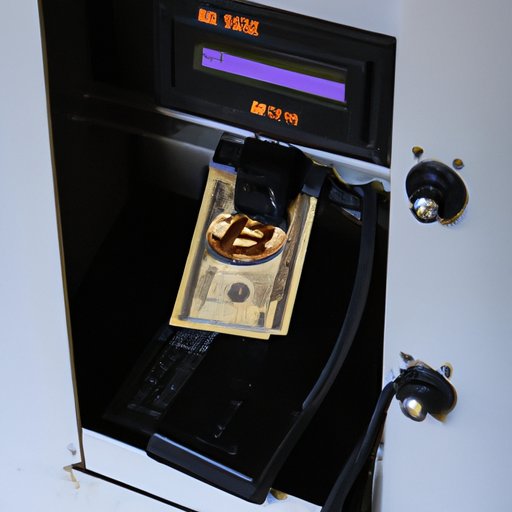
Cryptocurrency ATMs
Cryptocurrency ATMs are machines that allow users to buy and sell cryptocurrencies using cash. They are convenient and relatively easy to use, but they are often subject to high fees and long wait times. Additionally, they may not always be available in your area.

Fees Associated with Each Method
When cashing out your bitcoin, it is important to consider the fees associated with each method. These fees can vary depending on the platform you use and the amount of bitcoin you are cashing out.
Fees for Exchanges and Marketplaces
Exchanges and marketplaces typically charge a fee for each transaction. This fee can range from 0.1% to 1% depending on the platform. Some exchanges also charge a flat fee for each transaction, which can range from $0.50 to $5.
Fees for Online Wallets
Online wallets typically charge a fee for each transaction. This fee can range from 0.1% to 1% depending on the platform. Some wallets also charge a flat fee for each transaction, which can range from $0.50 to $5.
Fees for Cryptocurrency ATMs
Cryptocurrency ATMs usually charge a fee for each transaction. This fee can range from 5% to 10% depending on the machine. Additionally, some machines may charge an additional fee for certain services, such as withdrawing cash.
Finding the Best Exchange Rate
When cashing out your bitcoin, it is important to find the best exchange rate possible. This can be done by researching exchange rates and comparing them across different platforms. By doing so, you can ensure that you are getting the most bang for your buck.
Researching Exchange Rates
The first step to finding the best exchange rate is to research the current market prices for bitcoin. This can be done by checking online sources such as CoinMarketCap or CoinGecko. These sites provide up-to-date information on the current prices of various cryptocurrencies.
Comparing Exchange Rates Across Different Platforms
Once you have researched the current market prices for bitcoin, you can then compare the exchange rates offered by different platforms. This can be done by visiting the websites of exchanges and marketplaces and comparing the rates they offer. By doing so, you can ensure that you are getting the best deal possible.
Security Risks Associated with Cashing Out Bitcoin
When cashing out your bitcoin, it is important to be aware of the security risks associated with the process. These risks include hacking, scams, and malware.
Hacking Risk
Hacking is a major security risk when cashing out your bitcoin. Hackers can gain access to your funds if your wallet or exchange is not properly secured. To reduce the risk of hacking, it is important to use strong passwords and two-factor authentication whenever possible.
Scams Risk
Scams are another security risk when cashing out your bitcoin. It is important to be aware of common scams such as phishing emails and fake exchanges. To reduce the risk of being scammed, it is important to do your research and only use reputable platforms.
Malware Risk
Malware is another security risk when cashing out your bitcoin. Malware can be used to steal your funds or personal information. To reduce the risk of malware, it is important to keep your computer and software up to date and only download files from trusted sources.
Conclusion
Cashing out your bitcoin is not a straightforward process, and there are several steps and considerations that must be taken into account. This article has provided a step-by-step guide to cashing out your bitcoin holdings into cash, including setting up a wallet, selling on an exchange or P2P marketplace, methods of cashing out, fees associated with each method, finding the best exchange rate, and security risks associated with cashing out. By following these steps and taking the necessary precautions, you can safely and securely cash out your bitcoin holdings.
(Note: Is this article not meeting your expectations? Do you have knowledge or insights to share? Unlock new opportunities and expand your reach by joining our authors team. Click Registration to join us and share your expertise with our readers.)