
Introduction
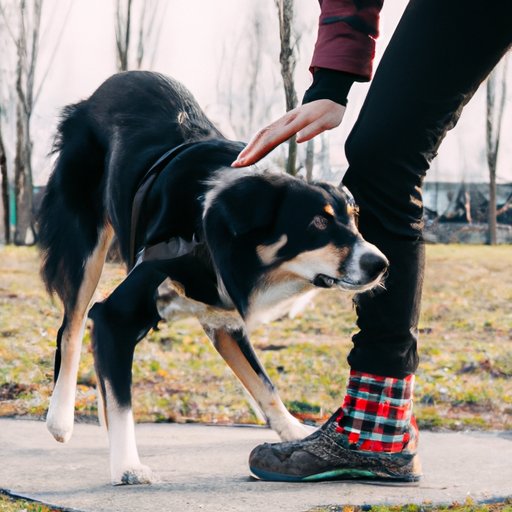
Confidence can be defined as “the feeling or belief that one can rely on someone or something; firm trust” (Oxford Dictionary, 2020). Having a confident dog can be extremely beneficial for owners, as it can result in an obedient and well-behaved pet. However, it can sometimes be difficult to develop confidence in dogs, especially rescue dogs who may have had negative experiences in the past. This article will explore ways to build confidence in dogs, including positive reinforcement training, establishing a routine, providing mental stimulation, and exposing them to new experiences.
Positive Reinforcement Training
Positive reinforcement is an important tool when it comes to building confidence in dogs. It is defined as “a behavior modification technique that uses rewards to strengthen desired behaviors” (American Veterinary Medical Association, 2019). The idea behind this method is that by rewarding desirable behaviors, the dog will learn to associate those behaviors with positive outcomes and will be more likely to repeat them. This type of training has numerous benefits, including improved communication between owner and dog, increased focus and engagement, and better overall behavior.
When implementing positive reinforcement training, it is important to use treats and rewards that are appropriate for your dog’s size and age. For example, puppies may respond well to smaller treats, while larger dogs may require more substantial rewards. Additionally, it is important to keep training sessions short and sweet, as dogs can become easily bored and lose focus. Finally, it is important to remain consistent and reward the same behaviors each time, as this will help the dog understand what is expected of them.
Establishing a Routine
Having a routine is another important factor when it comes to building confidence in dogs. Routines provide structure and stability, which can help reduce anxiety and stress levels. Furthermore, routines can help dogs feel secure and safe, as they know what to expect from day to day. A good routine should include regular meals, playtime, exercise, and potty breaks. Additionally, it is important to provide plenty of opportunities for rest and relaxation, as dogs need time to recharge and unwind.
When establishing a routine, it is important to be consistent and stick to the same schedule each day. This can help create a sense of predictability for the dog, which can lead to increased confidence. Additionally, it is important to incorporate positive reinforcement into the routine, such as giving treats for completing tasks or playing games. Finally, it is important to be patient and understanding, as dogs may take some time to adjust to the new routine.
Providing Mental Stimulation
Mental stimulation is another key factor when it comes to building confidence in dogs. Mental stimulation can help keep dogs engaged and interested, which can lead to increased confidence and reduced boredom. Additionally, mental stimulation can help reduce stress levels, as it can provide an outlet for anxious energy. There are many different ways to provide mental stimulation, including interactive toys, puzzles, and training games.
When providing mental stimulation, it is important to choose activities that are appropriate for your dog’s size and age. For example, puppies may benefit from simpler activities, while older dogs may prefer more complex tasks. Additionally, it is important to make sure that the activities are challenging but not too difficult, as this can lead to frustration. Finally, it is important to provide plenty of praise and rewards for successful completion of tasks, as this will help the dog understand what is expected of them.
Exposing to New Experiences
Exposing dogs to new experiences is another great way to build confidence. By introducing dogs to novel situations, they can become more comfortable and secure in unfamiliar surroundings. Additionally, new experiences can help stimulate the senses and increase overall enjoyment. Examples of new experiences include going to the park, meeting new people and animals, and exploring new places.
When exposing dogs to new experiences, it is important to take things slow and be patient. Introduce the new experience gradually, allowing the dog to become familiar with it before moving on to more challenging tasks. Additionally, it is important to provide plenty of positive reinforcement and praise, as this will help the dog understand what is expected of them. Finally, it is important to monitor the dog’s body language, as this can provide clues about how the dog is feeling and whether or not they are comfortable with the situation.
Building Trust and Bonding
Building trust and bonding is an essential part of building confidence in dogs. Dogs need to trust their owners in order to feel secure and confident, and this can be achieved through positive reinforcement, consistency, and affection. Additionally, bonding with dogs is important, as it helps them feel connected and loved. Bonding can be achieved through regular playtime, grooming, and cuddling.
When building trust and bonding with dogs, it is important to be patient and understanding. Dogs need time to get to know and trust their owners, and this can take time. Additionally, it is important to remain consistent and reliable, as this will help the dog understand what is expected of them. Finally, it is important to show affection and provide plenty of praise and rewards, as this will help the dog understand that they are loved and appreciated.
Conclusion
In conclusion, building confidence in dogs can be a difficult task, but it is possible with the right approach. Positive reinforcement training, establishing a routine, providing mental stimulation, exposing to new experiences, and building trust and bonding are all effective strategies for increasing confidence in dogs. By following these tips, owners can help their pups become more confident and secure, resulting in an obedient and well-behaved pet.
(Note: Is this article not meeting your expectations? Do you have knowledge or insights to share? Unlock new opportunities and expand your reach by joining our authors team. Click Registration to join us and share your expertise with our readers.)