
Introduction
Robotics is an exciting field that has been gaining popularity in recent years. A robot is a machine designed to complete automated tasks with some degree of autonomy. Robots can be used for a variety of applications, from manufacturing and assembly to medical and home automation. Building a robot is a great way to learn about robotics and develop important skills in technology and engineering.
In this article, we’ll explore the basics of building a simple robot. We’ll cover the components you need, how to program it, safety considerations, and resources available to help you along the way.
Components of a Robot
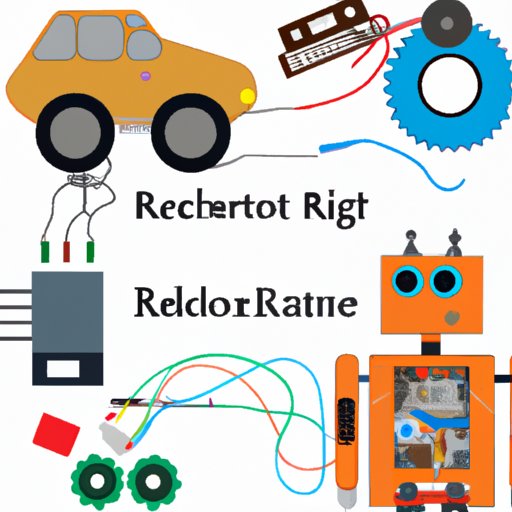
At its core, a robot consists of four main components: the frame, motors, controller, and power source. The frame holds the other components together and provides a base for the robot. Motors are used to move the robot, while a controller is responsible for receiving instructions and controlling the motors. Finally, a power source is used to provide energy to the robot.
Assembling these components can be a challenge, but there are many tutorials and kits available to help beginners get started. For example, the Elegoo UNO Project Super Starter Kit comes with all the parts you need to assemble a basic robot, including a microcontroller board, motors, and even sensors.
When selecting motors for your robot, it’s important to consider the type of motor you need. Different types of motors have different capabilities, such as speed, torque, and power. Common types of motors include DC, stepper, and servo motors. Each type has its own advantages and disadvantages, so be sure to research what type of motor is best suited for your project.
Programming a Robot
Once you’ve assembled the components of your robot, it’s time to program it to carry out specific tasks. Programming a robot can be a complicated process, but there are many tutorials and resources available to help you get started.
Generally speaking, there are three steps involved in programming a robot: writing the code, testing the code, and debugging the code. Writing the code involves creating a set of instructions for the robot to follow. This is typically done using a programming language such as C or Python. Testing the code involves running the code on the robot to see if it works as expected. Debugging the code involves finding and fixing any errors that may occur during the testing phase.
To illustrate how easy it is to program a robot, consider the example of hobbyist David Anderson, who built a robot using a Raspberry Pi and a few basic components. He programmed the robot to respond to voice commands and navigate obstacles autonomously. Through trial and error, he was able to successfully program the robot to do what he wanted.
Safety Considerations
Safety is an important consideration when building and operating a robot. It’s important to make sure that the robot is properly insulated and powered off when not in use. Additionally, it’s important to ensure that the robot is properly programmed so that it does not cause injury or damage to people or property.
Another important safety consideration is to be aware of the environment in which the robot will be operated. If the robot is going to be used in an area with people, it’s important to make sure that the robot is programmed to recognize and avoid humans. Additionally, it’s important to be aware of any laws or regulations that may apply to the operation of robots in that particular location.
Sensors and Feedback
Sensors are essential for giving a robot feedback and allowing it to respond to its environment. Common types of sensors include infrared, ultrasonic, and lidar sensors. Each type of sensor has its own advantages and disadvantages, so it’s important to research and select the right type of sensor for your robot.
For example, infrared sensors are often used to detect objects in the robot’s path, while ultrasonic sensors are used to detect obstacles and measure distances. Lidar sensors, on the other hand, are used to create 3D maps of the robot’s environment. By using sensors and feedback, robots can be programmed to respond to their environment and carry out more complex tasks.
Resources and Support
Building a robot can be a challenging but rewarding experience. Fortunately, there are a wealth of resources available to help you along the way. For example, the Robotics Education & Competition (REC) Foundation offers free online courses and tutorials to help aspiring roboticists learn the basics. Additionally, there are a number of forums and communities dedicated to robotics where you can ask questions and get advice from experienced builders.
Furthermore, there are a number of companies that offer kits, components, and tools specifically designed for robotics projects. Companies like RobotShop and SparkFun Electronics offer everything from basic building blocks to advanced sensors and controllers.
Conclusion
Building a robot can be a fun and educational experience. This article has provided an overview of the components needed to build a simple robot, how to program it, safety considerations, and resources available to help you along the way. With the proper components, programming, and safety measures in place, anyone can build a robot and start exploring the exciting world of robotics.
(Note: Is this article not meeting your expectations? Do you have knowledge or insights to share? Unlock new opportunities and expand your reach by joining our authors team. Click Registration to join us and share your expertise with our readers.)