
Introduction
When it comes to working out, proper breathing is essential for optimizing performance and avoiding injury. Unfortunately, many people struggle with their breathing when they are exercising. This can lead to fatigue, dizziness, and even serious medical conditions such as hypoxia. It is important to understand how to breathe while working out in order to maximize your fitness routine and get the most out of your exercise.
Focus on your breath
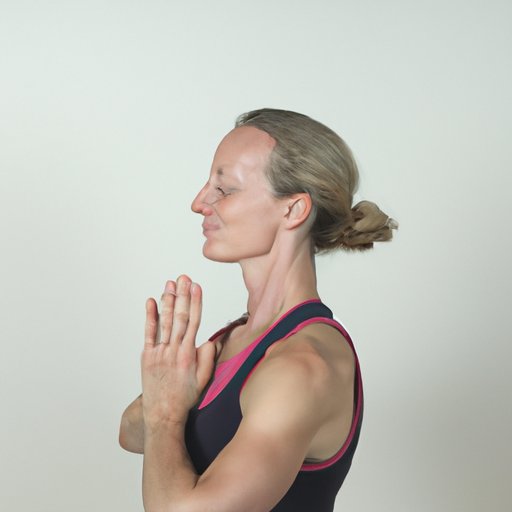
Before you start your workout, take a few moments to focus on your breath. Practice mindful breathing by inhaling slowly through your nose and exhaling slowly through your mouth. This will help you to relax and prepare your body for the physical activity ahead. Additionally, focusing on your breath will help you to become more aware of your body and how it responds to different movements.
Use diaphragmatic breathing
Diaphragmatic breathing, also known as belly breathing, is a great way to ensure that you are getting enough oxygen while working out. This type of breathing engages your diaphragm, which is the primary muscle used for respiration. Diaphragmatic breathing helps to increase oxygen intake, reduce stress, and improve overall performance.
To perform diaphragmatic breathing, start by lying on your back with your knees bent. Place one hand on your chest and the other on your abdomen. Slowly inhale through your nose, allowing your abdomen to expand. Then exhale through your mouth, pushing all of the air out of your lungs. Repeat this process for several minutes until you feel relaxed and ready to begin your workout.
Count your breaths
Counting your breaths during exercise can be a helpful way to stay focused and maintain a steady pace. To do this, simply count each inhalation and exhalation as you go. For example, you could count “one, two” with each breath. This technique helps to keep your breathing consistent and prevents you from becoming overwhelmed or distracted.
Additionally, counting your breaths can help to monitor your intensity level. If your breathing becomes labored and your heart rate increases, it may be time to take a break or adjust your intensity level. On the other hand, if your breathing is too shallow and your heart rate is low, you may need to increase the intensity of your workout.
Set a rhythm
Establishing a steady rhythm for your breathing can help to regulate your heart rate and prevent overexertion. Start by taking a few deep breaths and then establish a pattern that works best for you. For instance, you could inhale for three counts and exhale for three counts. Once you have established a rhythm, stick with it throughout your workout and adjust as needed.
It is important to note that the rhythm of your breathing should match the rhythm of your movements. For example, if you are running, you should aim to take one full breath with each stride. This will help to ensure that you are getting enough oxygen and avoiding injury or exhaustion.
Take breaks
When you start to feel short of breath, it is important to take a break and give your body a chance to catch up. Take a few moments to rest and allow your breathing to return to normal before resuming your workout. This will help to avoid overexertion and maximize your performance.
It is also important to remember to drink plenty of water throughout your workout. Dehydration can cause fatigue and make it difficult to catch your breath. Make sure to stay hydrated and take regular breaks to ensure that you are getting enough oxygen.
Visualize
Visualization is a powerful tool that can help you to focus on your breathing and stay in control of your workouts. Before you start your exercise, take a few moments to close your eyes and visualize yourself taking slow, deep breaths. Picture the air entering and exiting your lungs as you inhale and exhale. This will help to relax your body and mind and make it easier to maintain a steady breathing pattern.
You can also visualize yourself performing your exercises with ease. Imagine yourself completing your reps with perfect form and breathing steadily throughout. This will help to keep you motivated and prevent you from becoming overwhelmed or discouraged.
Conclusion
Proper breathing is an essential part of any workout. By following these tips, you can learn how to breathe while working out and maximize your performance. Focus on your breath, use diaphragmatic breathing, count your breaths, set a rhythm, take breaks, and visualize for optimal results. With practice and dedication, you can master the art of mindful exercise and reach your fitness goals.
(Note: Is this article not meeting your expectations? Do you have knowledge or insights to share? Unlock new opportunities and expand your reach by joining our authors team. Click Registration to join us and share your expertise with our readers.)