
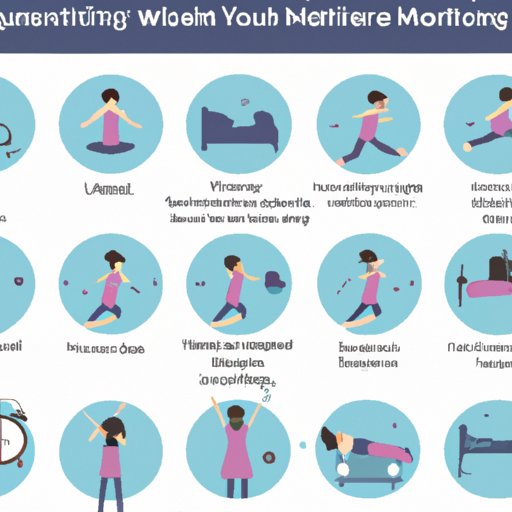
Introduction
Mental health refers to the emotional, psychological, and social wellbeing of a person. It is important to prioritize mental health as it affects our ability to think, feel, and behave. In order to improve mental health, it is essential to take proactive steps that will help you maintain balance in your life. Here are some tips on how to better your mental health.
Exercise Regularly
Regular exercise can have a positive impact on mental health. According to a study conducted by the American Psychological Association, regular physical activity has been linked to improved mood, reduced stress, and lower levels of anxiety and depression. Exercise also helps to reduce feelings of fatigue, increase self-esteem, and improve cognitive functioning.
Benefits of Exercise:
- Improves mood
- Reduces stress
- Lowers anxiety and depression
- Reduces fatigue
- Increases self-esteem
- Improves cognitive functioning
Tips for Exercising:
- Start small and gradually increase intensity and duration of the workout
- Choose activities that you enjoy and that fit your lifestyle
- Set realistic goals and celebrate successes
- Find a workout partner or join a fitness class
- Listen to music while exercising
Practice Mindfulness and Meditation
Mindfulness and meditation are practices that involve focusing on the present moment. Research has shown that these practices can be beneficial for mental health. A study conducted by the University of California, Los Angeles found that mindfulness and meditation can help to reduce stress, improve mood, and enhance well-being.
Benefits of Mindfulness and Meditation:
- Reduces stress
- Improves mood
- Enhances well-being
- Increases focus and concentration
- Helps to manage emotions
- Improves sleep quality
Tips for Practicing Mindfulness and Meditation:
- Start slowly and gradually increase time spent meditating
- Find a quiet place and practice at the same time each day
- Focus on your breath and observe your thoughts without judgment
- Practice mindful eating and be aware of each bite
- Try guided meditation or use an app for guidance
Adopt Healthy Coping Strategies
When faced with difficult situations, it is important to adopt healthy coping strategies. Healthy coping strategies can help to reduce stress and improve mental health. According to a study conducted by the National Institutes of Health, healthy coping strategies can help to reduce negative emotions and improve problem-solving skills.
Benefits of Healthy Coping Strategies:
- Reduces stress
- Improves mental health
- Reduces negative emotions
- Improves problem-solving skills
- Increases self-awareness
- Promotes resilience
Tips for Adopting Healthy Coping Strategies:
- Identify triggers and develop strategies for dealing with them
- Write down your thoughts and feelings in a journal
- Engage in activities that you enjoy
- Talk to someone you trust about your struggles
- Take breaks from stressful situations
- Practice relaxation techniques such as deep breathing
Get Enough Sleep
Getting enough sleep is essential for mental health. A study conducted by the Centers for Disease Control and Prevention found that not getting enough sleep can lead to poor mental health, including increased risk of depression and anxiety. Getting the recommended amount of sleep can help to improve mood, reduce stress, and enhance cognitive functioning.
Benefits of Getting Enough Sleep:
- Improves mood
- Reduces stress
- Enhances cognitive functioning
- Increases alertness and concentration
- Improves memory
- Boosts creativity
Tips for Getting Enough Sleep:
- Stick to a consistent sleep schedule
- Avoid caffeine and alcohol close to bedtime
- Create a relaxing bedtime routine
- Turn off screens at least one hour before bedtime
- Limit naps during the day
- Exercise regularly but avoid exercising too close to bedtime
Connect with Others
It is important to connect with other people in order to improve mental health. A study conducted by Harvard Medical School found that having strong relationships with others can reduce stress, improve mood, and increase happiness. Connecting with others can also help to reduce feelings of loneliness and isolation.
Benefits of Connecting with Others:
- Reduces stress
- Improves mood
- Increases happiness
- Reduces loneliness and isolation
- Provides support and encouragement
- Promotes self-growth and development
Tips for Connecting with Others:
- Spend time with family and friends
- Join a club or organization related to your interests
- Volunteer in your community
- Attend social events
- Keep in touch with old friends
- Reach out to someone you haven’t spoken to in a while
Conclusion
Improving mental health is essential for overall wellbeing. Taking proactive steps such as exercising regularly, practicing mindfulness and meditation, adopting healthy coping strategies, getting enough sleep, and connecting with others can help to improve mental health. Incorporating these tips into your daily routine can help to reduce stress, improve mood, and enhance overall wellbeing.
Summary of Mental Health Benefits:
- Improved mood
- Reduced stress
- Lower levels of anxiety and depression
- Increased focus and concentration
- Better management of emotions
- Improved sleep quality
- Reduced loneliness and isolation
- Increased happiness
- Enhanced self-awareness
Taking care of your mental health is important. Take the time to incorporate these tips into your daily routine and you will soon start to see the benefits.
(Note: Is this article not meeting your expectations? Do you have knowledge or insights to share? Unlock new opportunities and expand your reach by joining our authors team. Click Registration to join us and share your expertise with our readers.)