

Introduction
Permanent makeup is a form of cosmetic tattooing that uses pigments to create designs that resemble makeup. It’s often used to accentuate facial features like eyebrows, lips, and eyes, or to cover up scarring from injuries or medical conditions. Becoming a permanent makeup artist requires research and preparation, but with the right steps, you can become certified and start building your client base.
Research the Licensing Requirements in Your State
Before you begin your journey to becoming a permanent makeup artist, it’s important to understand the licensing requirements in your state. Each state has its own regulations and restrictions, so it’s important to be aware of them before you start your business.
Check with Your State’s Board of Cosmetology
The first step is to check with your state’s board of cosmetology. They will have information about the specific requirements for becoming a permanent makeup artist, such as how many hours of training you need and which exams you must take. They may also have information about continuing education requirements and other resources that can help you get started.
Understand All Licensing Requirements
Once you’ve researched your state’s requirements, make sure you understand all of them. You may need to take additional classes or exams beyond the standard requirements. Additionally, some states may require you to have a separate license for permanent makeup, while others may not. Knowing the specifics of your state’s requirements will help you plan your path to becoming a permanent makeup artist.
Take a Permanent Makeup Course
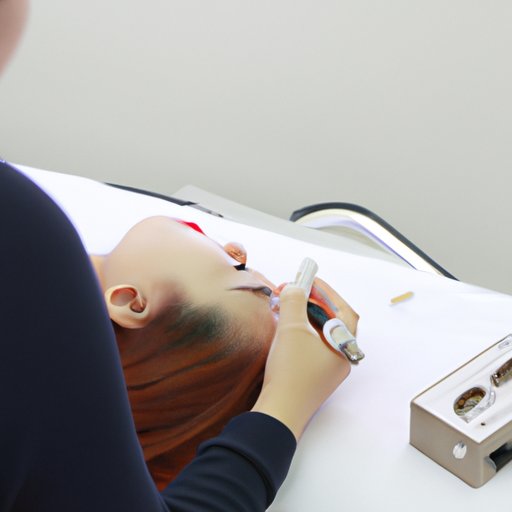
In order to become a permanent makeup artist, you’ll need to take a course to learn the fundamentals of the craft. There are a variety of courses available, ranging from beginner to advanced levels. It’s important to find an accredited program that meets your needs and will prepare you for the certification exam.
Find an Accredited Program
There are a number of online and in-person programs available. When selecting a program, make sure to read reviews and ask questions to ensure it’s the right fit for you. Additionally, make sure the program is accredited by your state’s board of cosmetology.
Learn About the Different Techniques
During your course, you’ll learn about the different techniques for applying permanent makeup. This includes understanding proper hygiene practices, selecting the right pigments, and using the right equipment. You’ll also learn about color theory and how to create designs that look natural and complement the client’s features.
Practice on Mannequins and Live Models
Most courses will also provide hands-on practice with mannequins and live models. This is an important part of the learning process, as it allows you to apply the techniques you’ve learned and develop your skills. Practicing on live models is also beneficial, as you’ll get feedback from both the model and the instructor.

Prepare for the Certification Exam
After completing the course, you’ll need to take the certification exam. This exam tests your knowledge of the techniques and safety protocols for permanent makeup. Most states require you to pass the exam before you can obtain a license.
Review the Exam Content
Before taking the exam, review the content to make sure you understand what you’ll be tested on. The exam typically covers topics such as skin anatomy, infection control, and product safety. Knowing the content of the exam will help you prepare and increase your chances of passing.
Take Practice Exams
Taking practice exams is a great way to prepare for the certification exam. Many courses offer practice exams, and there are also online resources that offer practice exams. Taking multiple practice exams will help you get familiar with the format of the exam and give you an idea of the types of questions you’ll be asked.

Build Your Portfolio of Work
Once you’ve become certified, it’s time to start building your portfolio of work. Having a portfolio of your best work is essential for attracting new clients and getting hired for jobs. Your portfolio should include photos of your work, as well as client testimonials if possible.
Display Your Best Work
Your portfolio should showcase the best of your work. Select photos that show off your skill and creativity. Aim to have at least 10-15 photos in your portfolio, featuring a variety of designs and techniques.
Utilize Social Media Platforms
Social media is a great way to promote your work and reach potential clients. Create accounts on popular platforms like Instagram and Facebook, and post your best work regularly. Be sure to use relevant hashtags to increase visibility and add a link to your portfolio or website in your profile.
Network with Established Professionals
Networking with other permanent makeup artists is a great way to build connections and expand your business. Attend industry events, join professional organizations, and connect with other artists in your area. This will help you stay informed of trends and learn from established professionals.
Attend Industry Events
Events like conferences and workshops are a great way to network with other professionals and gain insight into the industry. These events usually feature speakers who provide valuable advice and tips, as well as demonstrations of the latest techniques.
Connect with Other Artists
Connecting with other artists is a great way to share ideas and gain inspiration. Reach out to other permanent makeup artists in your area, or join online communities or forums. Building relationships with other artists can help you stay motivated and learn new techniques.
Conclusion
Becoming a permanent makeup artist requires research and preparation, but with the right steps, you can become certified and start building your client base. Research the licensing requirements in your state, take a permanent makeup course, prepare for the certification exam, build your portfolio of work, and network with established professionals. With dedication and hard work, you can develop the skills and experience needed to succeed as a permanent makeup artist.
(Note: Is this article not meeting your expectations? Do you have knowledge or insights to share? Unlock new opportunities and expand your reach by joining our authors team. Click Registration to join us and share your expertise with our readers.)