
Introduction
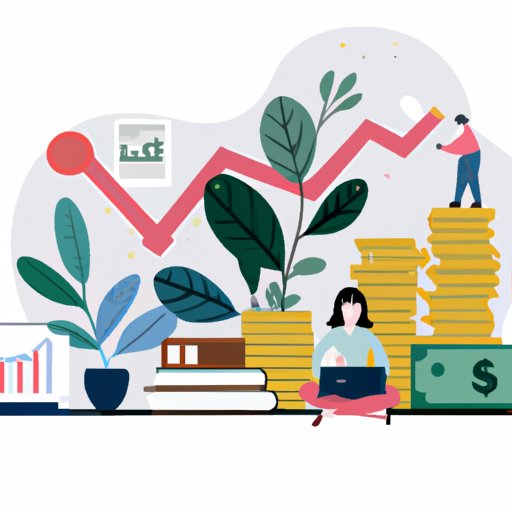
Financial independence is the ability to manage your own life without relying on others for financial support. For many young adults, achieving this goal can be an intimidating prospect. However, with the right tools and resources, it is possible to become financially independent at 18 – or even younger.
In this article, we’ll explore the challenges young adults face in achieving financial independence, as well as the strategies they can use to get there. By the end, you’ll have the information you need to make informed decisions about your finances and take control of your financial future.

Develop a Budget and Stick to It
The first step in becoming financially independent is developing a budget and sticking to it. This involves establishing your financial goals, determining your income and expenses, and tracking your spending.
Establish Your Financial Goals
Before you can create a budget, you need to identify your financial goals. Do you want to save for a car, a home, or retirement? Are you planning to travel or pursue higher education? Knowing what you want to achieve will help you determine how much you need to save and where to allocate your funds.
Determine Your Income and Expenses
Once you know your goals, you need to figure out how much money you have coming in each month and how much you’re spending. Start by gathering all of your receipts, bank statements, and credit card bills. Then, create a spreadsheet to track your income and expenses.
Track Your Spending
Finally, track your spending to ensure that you’re staying within your budget. If you’re not careful, it’s easy to overspend, so it’s important to hold yourself accountable. Use budgeting apps or cash envelopes to help you keep track of your spending.
Research Investment Opportunities
Once you have a budget in place, you can start exploring investment opportunities. Before you start investing, it’s important to understand the risks involved and make sure you’re making an informed decision.
Review Your Options
Take some time to research different types of investments and decide which ones are best suited to your situation. Consider stocks, mutual funds, exchange-traded funds, and other options. Talk to a financial advisor if you need help deciding which investments are right for you.
Consider Risk vs. Reward
It’s also important to consider the risk vs. reward of each investment. Generally speaking, higher-risk investments tend to offer higher returns, but they also come with more potential for losses. Make sure you’re comfortable with the level of risk before you invest.
Make an Informed Decision
Once you’ve researched your options and considered the risks, you can make an informed decision about which investments to make. Keep in mind that investments can be unpredictable, so don’t put all of your eggs in one basket. Diversify your portfolio to reduce your risk.
Open a Savings Account
Opening a savings account is a great way to save for the future. Savings accounts offer interest rates that are usually higher than checking accounts, so your money can grow faster. Here are some tips for choosing the right savings account.
Consider Interest Rates
When shopping for a savings account, look for one with a competitive interest rate. Some banks offer higher rates for accounts with higher balances, so make sure you read the fine print before signing up.
Set Up Automatic Transfers
Setting up automatic transfers from your checking account to your savings account can help you stay on top of your savings goals. You can set up transfers for a specific amount or percentage of your paycheck.
Take Advantage of Bank Promotions
Many banks offer promotions for new customers, such as bonus cash or waived fees. Take advantage of these offers to maximize your savings and get the most value out of your account.
Create a Side Hustle
Creating a side hustle can be a great way to increase your income and reach your financial goals faster. Here are some tips for getting started.
Identify Your Skills and Talents
Start by identifying your skills and talents. What do you enjoy doing? What are you good at? Think about ways you can use those skills to make money. You might be able to freelance, tutor, sell products online, or start a business.
Utilize Online Platforms
There are many online platforms that can help you find clients or customers. Sites like Fiverr and Etsy are great for freelancers and entrepreneurs. You can also use social media to market your services and attract new customers.
Leverage Your Network
Networking is key when it comes to finding new opportunities. Reach out to friends, family, and colleagues and ask them if they know of any openings or projects you could work on. You never know who might be able to help you find your next gig.
Utilize Tax-Advantaged Accounts
Tax-advantaged accounts are a great way to save for the future while reducing your tax burden. Here’s what you need to know.
Understand the Benefits
Tax-advantaged accounts allow you to save money while deferring taxes until you withdraw the funds. This means you can keep more of your money now and pay fewer taxes later. They also provide other benefits, such as flexibility and protection from creditors.
Invest in Retirement Accounts
Retirement accounts, such as 401(k)s and IRAs, are the most popular type of tax-advantaged accounts. These accounts are designed to help you save for retirement, and they offer various tax breaks and other benefits. Talk to a financial advisor to learn more about retirement accounts.
Use Other Tax-Advantaged Accounts
In addition to retirement accounts, there are other types of tax-advantaged accounts you can use to save for the future. Health savings accounts (HSAs), 529 plans, and flexible spending accounts (FSAs) are all excellent options.
Find a Mentor to Guide You
Finding a mentor can be a great way to get advice and guidance on your journey to financial independence. Here are some tips for finding a mentor.
Seek Out Advice
Start by asking people you trust for advice and recommendations. Look for someone who has experience in the areas you’re interested in, such as investing, budgeting, or entrepreneurship. Ask them if they would be willing to mentor you.
Ask for Guidance
When you find someone willing to mentor you, make sure to ask for their guidance. Ask questions and listen to their advice. Be open to feedback and constructive criticism.
Accept Constructive Criticism
Finally, be prepared to accept constructive criticism. A good mentor will challenge you and push you to do your best. Don’t be afraid to make mistakes – it’s part of the learning process.
Conclusion
Achieving financial independence at 18 is no easy feat, but it is possible. By creating a budget, researching investment opportunities, opening a savings account, creating a side hustle, utilizing tax-advantaged accounts, and finding a mentor to guide you, you can reach your financial goals and take control of your financial future.
(Note: Is this article not meeting your expectations? Do you have knowledge or insights to share? Unlock new opportunities and expand your reach by joining our authors team. Click Registration to join us and share your expertise with our readers.)