

Introduction
Yoga has been around for centuries, and its practice is both beneficial for physical and mental health. Becoming a yoga instructor can be an incredibly rewarding experience, but it also requires dedication, extensive knowledge, and the ability to lead classes in a safe and effective way. This article will provide an overview of what’s involved in becoming a yoga instructor and offer tips on how to successfully market yourself.
Qualifications to Become a Yoga Instructor
There are several qualifications that you must meet to become a yoga instructor. According to the National Exercise Trainers Association (NETA), instructors should have “a minimum of 200 hours of formal training from a recognized school or program, plus continuing education credits each year.” Additionally, instructors should have knowledge of anatomy and physiology, as well as an understanding of different yoga styles and their benefits.
Different Types of Yoga and Their Benefits
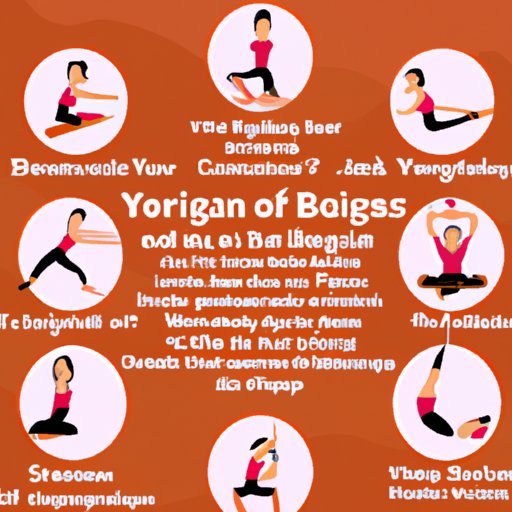
Yoga comes in many forms, and it’s important to be familiar with the various styles and their benefits. Hatha and Vinyasa are two of the most popular types of yoga. Hatha involves slow, gentle movements, whereas Vinyasa is more dynamic and focuses on connecting breath with movement. Ashtanga and Iyengar are two other styles of yoga that emphasize alignment and stability, while Restorative and Yin focus on relaxation and deep stretching.
Kundalini and Bikram are two more styles of yoga. Kundalini combines physical postures, breathing exercises, and meditation, while Bikram is a hot yoga practice that consists of 26 poses in a heated room. Each type of yoga has its own unique set of benefits, so it’s important to understand them before teaching.

Steps to Becoming Certified as a Yoga Instructor
Once you’ve decided to pursue a career as a yoga instructor, the next step is to find a reputable school or program that offers certification. There are many programs available, so it’s important to do your research and choose one that will best suit your needs. Once you’ve registered for the training, you’ll need to complete the certification process, which typically includes completing written assignments, leading classes, and passing an exam.
What to Expect During a Typical Yoga Class
When teaching a yoga class, it’s important to create an environment that is comfortable and inviting. This includes setting up the space, teaching breathing techniques, structuring poses, providing modifications and adjustments, and offering verbal cues and hands-on assists. It’s also important to be mindful of the energy in the room and maintain a positive attitude throughout the class.
Developing a Yoga Sequence
An important part of being a yoga instructor is the ability to create creative and balanced sequences. To do this, it’s important to identify themes and intentions for each class and then choose poses that will help you achieve those goals. Additionally, it’s important to create a flow between poses and add in variations to keep the practice interesting.
Incorporating Props into a Yoga Practice
Using props in a yoga practice can help make poses more accessible and comfortable for students. Common props include blocks, straps, blankets, bolsters, chairs, walls, sandbags, and ropes. It’s important to know when and how to use props in order to maximize their potential and help students get the most out of their practice.
Marketing Yourself as a Yoga Instructor
Once you’ve completed your training and certification, the next step is to market yourself as a yoga instructor. Building a website and creating a social media presence are two great ways to reach potential clients. Networking with other instructors and offering workshops and retreats are also great ways to spread the word about your services.
Conclusion
Becoming a yoga instructor is a rewarding experience that requires dedication, knowledge, and the ability to lead classes in a safe and effective way. To become certified, you must have a minimum of 200 hours of formal training and understand the various styles of yoga and their benefits. Once you’re certified, you must learn how to teach classes, create sequences, incorporate props, and market yourself. With the right training and dedication, you can become a successful yoga instructor.
(Note: Is this article not meeting your expectations? Do you have knowledge or insights to share? Unlock new opportunities and expand your reach by joining our authors team. Click Registration to join us and share your expertise with our readers.)