
Introduction
Voice over work has become an increasingly popular career path for many aspiring actors, singers, and performers. A voice over artist is someone who provides spoken word recordings for a variety of media outlets, including television, radio, film, video games, audiobooks, and more. Voice over work can be a rewarding and lucrative career, but it takes dedication, skill, and hard work to succeed.
Before getting started, it’s important to understand the different types of voice over work available and the necessary equipment and software needed for a successful career. Additionally, taking classes or private lessons to develop your skills and creating a professional home recording studio setup for auditions are essential steps in becoming a successful voice over artist. Networking with other voice over artists and industry professionals and promoting yourself and your services online and offline are also important considerations.

Research the Voice Over Industry and Become Familiar with Different Types of Voice Over Work
The first step to becoming a successful voice over artist is to research the industry and become familiar with the different types of voice over work. There are many different genres of voice over work, including commercial, narration, animation, promos, and e-learning. Each genre requires different skills and techniques, so it’s important to identify which type of voice over work you’d like to specialize in.
It’s also important to understand the different markets for voice over work. According to a survey conducted by the Voice Over Xtra website, the top five markets for voice over work include radio/television commercials (58%), corporate narrations (33%), on-hold messages (27%), e-learning projects (25%), and animation/video game characters (20%). 1 Understanding what type of projects are most in demand will help you determine where to focus your efforts.
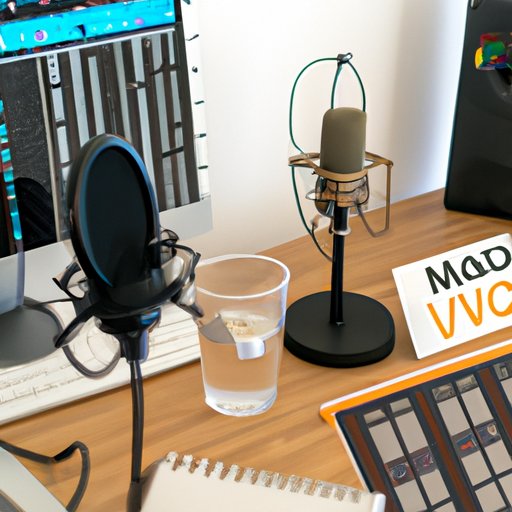
In addition to researching the industry and understanding the different types of voice over work, it’s essential to familiarize yourself with the necessary equipment and software. Most voice over artists use a computer, microphone, audio interface, and audio editing software such as Adobe Audition or Pro Tools. It’s also important to invest in a good pair of headphones and a pop filter to reduce noise and ensure clear recordings.

Take Voice Over Classes or Private Lessons to Develop Your Voice Over Skills
Once you’ve done your research and familiarized yourself with the necessary equipment and software, it’s time to start developing your voice over skills. Taking voice over classes or private lessons can help you hone your craft and improve your performance. When looking for an instructor, it’s important to find someone who is experienced and knowledgeable about the industry.
During your classes or lessons, you’ll likely practice various exercises and techniques to improve your voice. These may include vocal warm-ups, breathing exercises, tongue twisters, and improvisation. Additionally, your instructor may have you record yourself to track your progress and provide feedback. With practice and dedication, you’ll be able to develop your voice over skills and become a better performer.

Create a Professional Home Recording Studio Setup for Auditions
Once you’ve developed your voice over skills, it’s time to create a professional home recording studio setup for auditions. Investing in quality microphones and audio equipment is essential for achieving clear and consistent recordings. You’ll also need to learn about acoustics and soundproofing to ensure your recordings don’t contain any unwanted noise or reverberations.
It’s also important to install audio editing software and learn how to use it. This will allow you to edit and enhance your recordings and make them sound even better. With a professional home recording studio setup, you’ll be able to audition for voice over jobs and submit high-quality recordings.
Network with Other Voice Over Artists and Industry Professionals
Networking with other voice over artists and industry professionals is another important step in becoming a successful voice over artist. Attending events and networking opportunities, such as conferences and workshops, is a great way to meet people and make connections. Additionally, maintaining an online presence on social media and voice over websites, such as Voices.com and Voice123, can help you reach a larger audience.
Joining voice over groups and associations, such as the World Voices Organization and the National Association of Broadcasters, is also beneficial. These organizations provide resources, support, and networking opportunities for voice over artists. By networking with other industry professionals, you’ll gain valuable insight into the industry and build relationships that can help you find job opportunities.
Promote Yourself and Your Services Online and Offline
Finally, it’s important to promote yourself and your services online and offline. Creating a website and portfolio is a great way to showcase your work and attract potential clients. Additionally, marketing yourself through traditional advertising, such as print and radio ads, can help you reach a larger audience. Utilizing voice over directories and job boards, such as Voices.com and Voice123, can also help you get hired for voice over jobs.
Conclusion
Becoming a successful voice over artist requires dedication, skill, and hard work. It’s important to research the industry and understand the different types of voice over work available. Taking classes or private lessons to develop your skills and creating a professional home recording studio setup for auditions are essential steps in becoming a successful voice over artist. Additionally, networking with other voice over artists and industry professionals and promoting yourself and your services online and offline are important considerations.
With determination and perseverance, you can achieve success as a voice over artist. Understanding the industry, developing your skills, creating a professional setup, networking, and promoting yourself are all essential steps in becoming a successful voice over artist.
(Note: Is this article not meeting your expectations? Do you have knowledge or insights to share? Unlock new opportunities and expand your reach by joining our authors team. Click Registration to join us and share your expertise with our readers.)