
Introduction
Project managers are responsible for overseeing the planning, execution, and closing of any project, be it in construction, IT, research, or marketing. These professionals ensure that all goals are met within the given timeline and budget. Project management is a highly sought after field because of its diverse nature and the many benefits it offers.

Essential Skills and Qualifications Needed to Be a Successful Project Manager
To be a successful project manager, you must possess a diverse set of skills and qualifications. According to a survey by PMI, the most important skills for project managers are technical skills (84%), leadership skills (72%), communication skills (69%), and problem-solving skills (67%).
Technical skills include an understanding of the tools, processes, and systems necessary to complete a project. For example, if you’re working on a software development project, you should have a good grasp of coding languages, databases, and other software development technologies.
Leadership skills refer to the ability to motivate and lead a team. This includes the ability to delegate tasks, provide feedback, and resolve conflicts. Communication skills are also vital, as they enable project managers to effectively convey their vision and expectations to team members. Finally, problem-solving skills allow project managers to anticipate and address potential issues before they arise.
Different Types of Projects Managers Can Work On
Project managers can work on different types of projects, depending on their area of expertise. Construction projects may require a project manager to oversee the design, construction, and completion of a building or other structure. IT projects involve developing, testing, and deploying computer programs or networks. Research projects involve collecting data, analyzing it, and producing reports. And marketing projects involve creating campaigns, managing budgets, and measuring ROI.
Steps Involved in Managing a Project
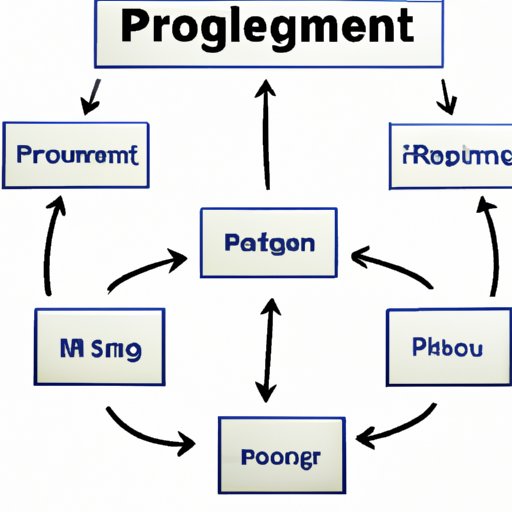
Once a project has been assigned to a project manager, they will need to take certain steps to ensure its successful completion. The first step is defining the scope of the project. This involves setting clear objectives and outlining the deliverables. Next, the project manager must develop a timeline and assign tasks to team members. They should also monitor progress and report back to stakeholders regularly. Finally, the project manager must evaluate results and close out the project.
Challenges of Project Management and How to Overcome Them
Project managers often face various challenges when managing a project. Time constraints can be one of the most difficult obstacles to overcome. This can be addressed by breaking down tasks into smaller, more manageable chunks and setting realistic deadlines. Resource allocation is another common challenge. To address this, project managers can prioritize tasks and make sure resources are allocated to the most important ones. Change management is also an issue that project managers must contend with. To mitigate this, they should maintain open lines of communication with stakeholders and ensure everyone is on the same page.
Best Practices Used by Experienced Project Managers
Experienced project managers employ certain best practices to ensure their projects are successful. Establishing clear goals and objectives is a key step in any project. This helps to keep everyone focused on the task at hand. Using project management software can also help project managers better manage their tasks and resources. Additionally, effective communication is essential for keeping stakeholders informed and motivated. Finally, experienced project managers know how to set realistic deadlines and adjust timelines accordingly.
Conclusion
Project management is a complex but rewarding field. To become a successful project manager, you must possess a variety of skills, including technical abilities, leadership qualities, communication skills, and problem-solving abilities. You can work on different types of projects, such as construction, IT, research, and marketing. The process of managing a project involves defining the scope, developing a timeline, assigning tasks, monitoring progress, and reporting results. Common challenges include time constraints, resource allocation, and change management. Experienced project managers employ best practices such as establishing clear goals, using project management software, maintaining effective communication, and setting realistic deadlines.
(Note: Is this article not meeting your expectations? Do you have knowledge or insights to share? Unlock new opportunities and expand your reach by joining our authors team. Click Registration to join us and share your expertise with our readers.)