
Introduction
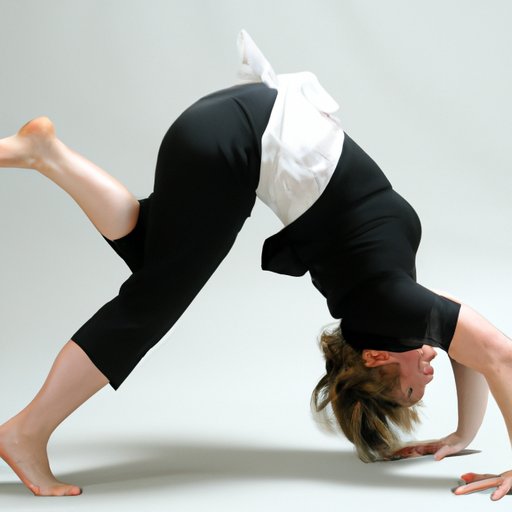
Contortionism is an art form in which the body is manipulated into extreme positions that require a high level of flexibility and strength. The practice of contortionism has been around for centuries, and it has been used in both performance arts, such as circus acts, and as a form of physical exercise. Becoming a contortionist requires dedication and patience, but with the right techniques and exercises, anyone can learn how to be a contortionist.
Research the Techniques and Movements of Contortionism
The first step to becoming a contortionist is to research the techniques and movements of contortionism. There are many books, videos, and online resources available to help you learn more about the art of contortionism. Watching videos and reading books can help you understand the basics of contortionism and get an idea of what types of moves are possible. Additionally, attending a workshop or taking classes taught by a professional contortionist can give you valuable insight into the world of contortionism.

Practice Stretching Exercises to Increase Flexibility
In order to become a contortionist, it is important to increase your flexibility. Stretching exercises can help you achieve this goal. There are different types of stretches that can be used to increase flexibility, including static stretches, dynamic stretches, and ballistic stretches. It is important to remember to stretch regularly, at least three times a week, and to hold each stretch for at least 30 seconds. Additionally, it is important to listen to your body and not overstretch or push yourself too far.

Learn How to Warm Up and Cool Down Before and After Practice
It is important to warm up and cool down before and after practicing contortionism. Warming up helps prepare the muscles for stretching and prevents injuries. Examples of warming up exercises include jogging, jumping jacks, and dynamic stretches. Cooling down helps the body transition back to its resting state and prevents soreness. Examples of cooling down exercises include static stretches and foam rolling.
Develop Strength and Endurance Through Exercise
Being a contortionist requires both strength and endurance. Strength training exercises can help build strength and endurance. Core workouts, such as planks and leg raises, are especially beneficial for contortionists. Additionally, cardio workouts, such as running, biking, and swimming, can help build endurance. It is important to find a balance between strength and endurance exercises to ensure you are getting the most out of your workouts.

Join a Contortionist Class or Workshop for Professional Guidance
Taking a class or workshop taught by a professional contortionist can be very beneficial for those learning how to become a contortionist. Professional classes offer guidance from experienced teachers who can provide feedback and advice to help you improve your technique. Additionally, classes and workshops can be a great way to meet other contortionists and learn about new techniques. Classes and workshops are typically available in most major cities, and there are also many online options available.
Conclusion
Becoming a contortionist takes dedication and practice, but with the right techniques and exercises, anyone can learn how to be a contortionist. Researching the techniques and movements of contortionism, practicing stretching exercises to increase flexibility, learning how to warm up and cool down before and after practice, developing strength and endurance through exercise, and joining a contortionist class or workshop for professional guidance are all important steps towards becoming a contortionist. With dedication and hard work, anyone can learn to become a contortionist.
(Note: Is this article not meeting your expectations? Do you have knowledge or insights to share? Unlock new opportunities and expand your reach by joining our authors team. Click Registration to join us and share your expertise with our readers.)