
Introduction
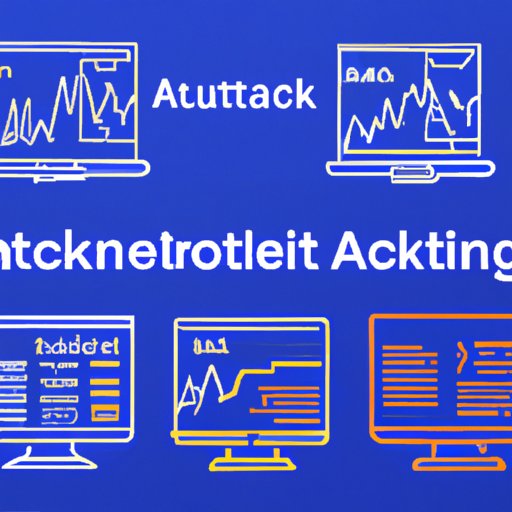
Automated trading is the process of using computer algorithms to execute trades in the financial markets. This type of trading allows traders to enter orders with predetermined parameters such as price, quantity, or time, allowing them to take advantage of market opportunities without having to manually manage their positions. Automated trading has become increasingly popular in recent years due to its ability to simplify trading processes, reduce costs, and allow traders to capitalize on small price movements.
Common Automated Trading Strategies
There are several popular automated trading strategies used by traders today. These include scalping, trend trading, arbitrage, and market making. Scalping involves taking small profits off of small price movements, while trend trading seeks to capitalize on established trends in the market. Arbitrage involves taking advantage of price discrepancies between different markets, while market making involves providing liquidity to the markets by placing both buy and sell orders at the same time.
Each strategy has its own set of pros and cons. Scalping can be profitable in the short-term, but it’s difficult to maintain a consistent profit over the long term. Trend trading is great for capturing larger moves in the market, but it’s important to be able to accurately identify when a trend is starting or ending. Arbitrage requires fast execution and can be difficult to find profitable opportunities in volatile markets. Market making can be lucrative, but it also carries the risk of being exposed to large losses if the market turns against you.
Analyzing the Risks and Drawbacks of Automated Trading
Automated trading comes with a number of risks and drawbacks that must be taken into consideration before jumping in. The most obvious risk is the potential for financial losses due to incorrect trades or unexpected market movements. It’s also important to consider the reliability and security of the trading system itself, as any technical issues could lead to missed opportunities or worse.
In addition, automated trading systems can be expensive to set up and maintain. Many require a significant amount of capital to get started, and some may charge additional fees for data feeds and other services. Furthermore, automated trading systems can be complex and difficult to understand, which may make it difficult for new traders to get started.
Best Practices for Automating a Trading System
When automating a trading system, it’s important to do so properly in order to maximize returns and minimize losses. This starts with setting up the system correctly, including choosing the right hardware and software, configuring the system for optimal performance, and ensuring that all parameters are set correctly. It’s also important to thoroughly test the system before going live to ensure that it is functioning properly and producing the desired results.
It’s also important to ensure that the system is secure. This means protecting the system from external threats such as hackers, as well as ensuring that the system isn’t vulnerable to internal errors or bugs. Finally, it’s important to review the system regularly to ensure that it continues to perform as expected.

Steps to Implement an Automated Trading System
Implementing an automated trading system requires a number of steps. The first step is to conduct thorough market research to gain an understanding of the markets and develop a trading strategy. Once the strategy is developed, the next step is to choose the right platform to execute the trades. This includes selecting a broker, setting up the trading account, and connecting the platform to the broker.
The next step is to build the trading algorithm. This involves coding the logic for the system, testing it, and running simulations to ensure that it produces the desired results. Once the algorithm is built, the next step is to backtest it to ensure that it performs as expected in different market conditions. Finally, the last step is to go live with the system and start trading.
Conclusion
Automated trading can be a great way to simplify trading processes and capitalize on small price movements. There are various automated trading strategies available, each with its own set of benefits and drawbacks. It’s important to understand the risks and drawbacks associated with automated trading, and to take the necessary steps to ensure that the system is set up properly and tested thoroughly before going live.
By following the steps outlined in this article, you can successfully implement an automated trading system and start taking advantage of the opportunities that the markets have to offer. With the right setup and proper maintenance, automated trading can be a powerful tool for generating profits.
(Note: Is this article not meeting your expectations? Do you have knowledge or insights to share? Unlock new opportunities and expand your reach by joining our authors team. Click Registration to join us and share your expertise with our readers.)