
Introduction
Dropshipping is a popular ecommerce business model that allows entrepreneurs to sell products online without ever stocking inventory or managing fulfillment. Instead, they partner with third-party suppliers who store and ship products directly to customers on their behalf. This eliminates many of the operational costs associated with traditional retail businesses, making it an attractive option for small businesses and startups.
However, managing a dropshipping business manually can be time-consuming and inefficient. Automating certain processes can help streamline operations, saving time, money, and resources in the long run. In this article, we’ll explore how to automate dropshipping to help scale your business.
Identifying Tools and Platforms to Streamline Dropshipping
When it comes to automating dropshipping processes, there are a variety of tools and platforms available to help you get started. These include inventory management software, order fulfillment services, customer relationship management (CRM) systems, and more.
For example, Oberlo is a popular dropshipping tool that integrates with Shopify and other ecommerce platforms to help merchants source products from third-party suppliers, manage orders, and track shipments. Inventory management platforms such as Stocky also make it easy to keep track of product availability and pricing across multiple suppliers.
When selecting a tool or platform, consider your unique needs and budget. For instance, if you have limited resources, you may want to opt for a free or low-cost solution that offers basic features. On the other hand, if you’re looking for more advanced features and customization options, you may need to invest in a more robust solution.
Setting Up Automated Dropshipping Processes
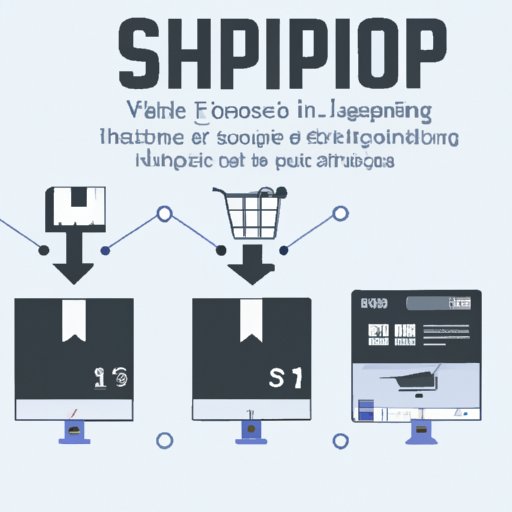
Once you’ve identified the right tool or platform for your business, the next step is to set up automated processes to streamline operations. This involves creating an automation workflow, establishing automated rules, and integrating with third-party applications.
Creating an automation workflow involves mapping out the steps involved in your dropshipping process, such as sourcing products, processing orders, and fulfilling shipments. This helps ensure that each task is completed quickly and efficiently.
Establishing automated rules helps streamline daily tasks by eliminating manual data entry. For instance, you can set up rules to automatically update customer records or send email notifications when a customer places an order. You can also set rules to automatically apply discounts or generate invoices.
Integrating with third-party applications is another important step in automating dropshipping processes. This allows you to sync data across multiple platforms, such as your ecommerce platform and inventory management system. This ensures that information is updated in real time, minimizing errors and delays.
Optimizing Automated Dropshipping Systems
Once you’ve set up your automated dropshipping processes, the next step is to optimize them for maximum efficiency. This involves utilizing data analysis, implementing automation strategies, and monitoring performance.
Using data analysis can help you identify areas of improvement and uncover new opportunities for growth. This can include analyzing customer behavior and purchasing patterns, as well as tracking sales and marketing metrics. This information can then be used to fine-tune your automation processes.
Implementing automation strategies is also key to optimizing your automated dropshipping systems. This can involve using automation tools to automate repetitive tasks, such as order processing and customer service. It can also involve leveraging artificial intelligence (AI) and machine learning technologies to automate more complex tasks.
Finally, it’s important to monitor performance regularly to ensure that your automated processes are running smoothly. This includes tracking key metrics such as customer satisfaction, order accuracy, and delivery times. If you notice any issues, you can adjust your automation processes accordingly.
Best Practices for Automating Dropshipping
In addition to optimizing your automated dropshipping systems, there are a few best practices to keep in mind to ensure success. These include automating repetitive tasks, leveraging automation solutions, and keeping up with technology trends.
Automating repetitive tasks can help reduce the burden on your team and free up time for more important tasks. This includes tasks such as order processing, customer service, and inventory management. By doing so, you can focus on adding value to your business instead of spending time on tedious manual tasks.
Leveraging automation solutions is also essential for successful dropshipping automation. This involves taking advantage of the latest technologies, such as AI and machine learning, to automate more complex tasks. Additionally, it’s important to keep up with technology trends to ensure that your business is staying ahead of the competition.
Analyzing the Future of Automated Dropshipping
Finally, it’s important to analyze the future of automated dropshipping to stay ahead of the curve. This involves forecasting changes in technology, exploring new business models, and gaining insight into consumer behavior.
For instance, emerging technologies such as blockchain and virtual reality are changing the way businesses operate. By understanding these technologies and their potential implications, you can develop strategies to adapt and stay competitive.
It’s also important to explore new business models to stay ahead of the game. For instance, subscription-based models are becoming increasingly popular, allowing businesses to offer customers access to products and services on a recurring basis. Understanding these trends can help you develop innovative strategies to grow your business.
Finally, it’s important to gain insight into consumer behavior to better understand their needs and preferences. This can help you create targeted marketing campaigns and develop products and services that meet their expectations.
Conclusion
Automating dropshipping processes can help streamline operations and improve efficiency. By identifying the right tools and platforms, setting up automated processes, optimizing systems, and following best practices, you can ensure that your business is running at its peak performance.
In addition, it’s important to analyze the future of automated dropshipping to stay ahead of the competition. This involves forecasting changes in technology, exploring new business models, and gaining insight into consumer behavior.
By following these tips, you can take advantage of the many benefits of automated dropshipping, such as improved customer satisfaction, reduced operational costs, and increased revenue.
(Note: Is this article not meeting your expectations? Do you have knowledge or insights to share? Unlock new opportunities and expand your reach by joining our authors team. Click Registration to join us and share your expertise with our readers.)