
Introduction
Mental health is an important part of overall wellbeing and it’s essential to take steps to maintain it. Mental health includes our emotional, psychological, and social well-being and affects how we think, feel, and act. It also helps determine how we handle stress, relate to others, and make choices. Poor mental health can lead to issues such as depression, anxiety, and substance abuse.
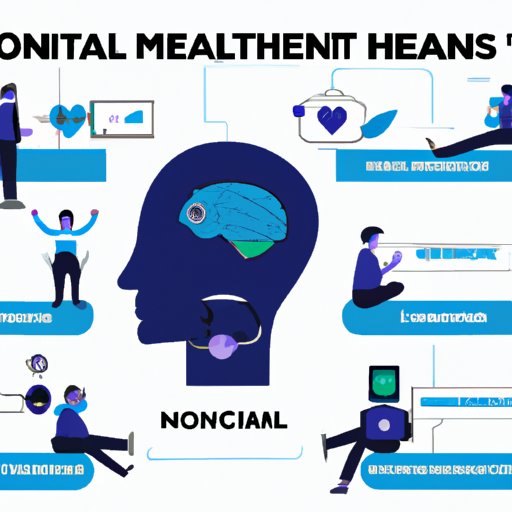
Fortunately, there are many tools available to help people manage their mental health. Technology has become an increasingly popular option for those looking for support, and it can be a powerful tool in the fight against mental health issues. In this article, we’ll explore how technology can help improve mental health.
Virtual Therapy Platforms
Virtual therapy platforms provide access to mental health professionals online. These platforms offer a variety of services, including individual counseling, group therapy, and other forms of mental health support. They provide a convenient and cost-effective way to get the help you need without having to leave your home.
Research has found that virtual therapy can be just as effective as traditional face-to-face therapy. A study by the American Psychological Association found that “virtual therapy was associated with significant reductions in symptoms of depression, anxiety, and distress in both adults and adolescents.”
Social Media Support Groups
Social media has become an important tool for connecting people with mental health issues. There are many online support groups dedicated to helping those with mental illness find resources, connect with others, and share their experiences. These groups can provide invaluable support and understanding, which can be difficult to find elsewhere.
A study by the National Institutes of Health found that participating in online support groups “was associated with improved self-efficacy, reduced loneliness, and higher levels of satisfaction with life.” Social media can be a great resource for those looking for peer support or advice from those who have gone through similar experiences.

Wearable Technology to Monitor Mental Health
Wearable technology has become increasingly popular as a way to monitor mental health. Wearable devices such as smart watches and fitness trackers can track a variety of data points, including heart rate, sleep patterns, activity level, and mood. This data can be used to gain insight into how certain activities or events affect your mental health, allowing you to make changes accordingly.
Research has found that tracking mental health through wearable devices can be beneficial. A study published in the journal Frontiers in Psychiatry found that “the use of wearable technology to monitor mental health can be effective in reducing depression and anxiety symptoms.”
Online Cognitive Behavioral Therapy
Cognitive behavioral therapy (CBT) is a type of psychotherapy that focuses on changing thought patterns and behaviors. It can be used to treat a variety of mental health issues, including depression and anxiety. CBT is widely considered to be a highly effective form of therapy, and it can now be accessed online.
A study published in the journal Cyberpsychology, Behavior, and Social Networking found that online CBT “was associated with significant improvements in depression, anxiety, and quality of life in patients with mental health disorders.” Online CBT can be a great option for those looking for a convenient and cost-effective way to access this type of therapy.
Telemedicine Access to Mental Health Professionals
Telemedicine is a rapidly growing field that allows patients to access medical care remotely. This technology can be used to access a variety of services, including mental health care. Telemedicine can provide access to psychiatrists, psychologists, and other mental health professionals who may not be available in your area.
Research has found that telemedicine can be an effective way to access mental health care. A study published in the Journal of Clinical Psychology found that “telemedicine was associated with significantly improved patient outcomes, including greater satisfaction and improved mental health, compared to traditional face-to-face care.”
AI-Powered Mental Health Apps
Artificial intelligence (AI) has become a popular tool for improving mental health. AI-powered apps can provide personalized recommendations for managing mental health issues, such as stress and anxiety. These apps can also be used to track progress and provide feedback to users.
Research has found that AI-powered apps can be effective in treating mental health issues. A study published in the journal JMIR Mental Health found that “AI-powered apps were associated with significant reductions in symptoms of depression, anxiety, and stress.” AI-powered apps can be a great resource for those looking for a convenient and affordable way to access mental health care.
Conclusion
Technology can be a powerful tool for improving mental health. From virtual therapy platforms to wearable devices that track mental health, there are many ways technology can help individuals manage their mental health. Social media support groups, online cognitive behavioral therapy, telemedicine access to mental health professionals, and AI-powered mental health apps are just some of the options available.
It’s important to remember that technology should not be seen as a replacement for professional help. If you are struggling with mental health issues, it’s important to seek professional help. However, technology can be a great supplement to traditional treatment and can provide valuable support to those dealing with mental health issues.
(Note: Is this article not meeting your expectations? Do you have knowledge or insights to share? Unlock new opportunities and expand your reach by joining our authors team. Click Registration to join us and share your expertise with our readers.)