
Introduction
Technology has become an integral part of our daily lives and its role in education is no different. From smartphones and tablets to computer labs and interactive whiteboards, technology is transforming the way we teach and learn. But what exactly is technology? According to Merriam-Webster, technology can be defined as “the practical application of knowledge especially in a particular area” or “a capability given by the practical application of knowledge.” In other words, it is the use of scientific knowledge to create tools and techniques that can be used to solve problems and make our lives easier.
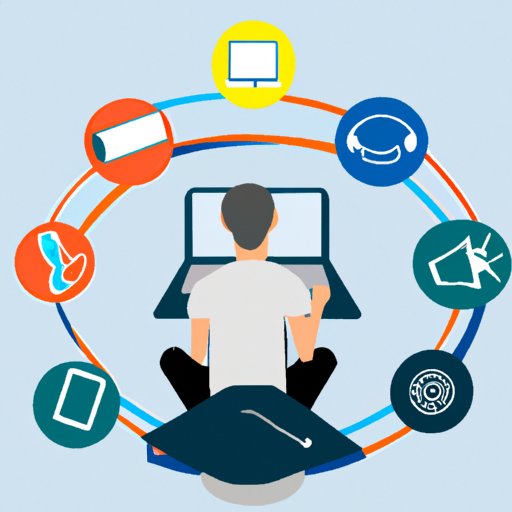
When it comes to education, technology has had a profound impact. It has changed the way teachers teach and students learn, providing new opportunities for collaboration and creativity. In this article, we will take a comprehensive look at the impact of technology on education.
Impact of Technology on Teaching and Learning
One of the most significant impacts of technology on education is increased access to educational resources. With the rise of the internet, educators have access to a wealth of information that can be used to enhance their teaching. For example, teachers can now easily find and share lesson plans, videos, and other instructional materials with their students. In addition, students can use the internet to access a variety of online learning tools such as Khan Academy, TED-Ed, and Quizlet.
In addition to increased access to educational resources, technology has also improved communication between teachers and students. With the advent of email, text messaging, and social media, teachers can now communicate with their students more quickly and efficiently. This improved communication can help foster better relationships between teachers and students, which can lead to more effective learning.
Finally, technology has expanded opportunities for collaboration. With the use of online collaboration tools such as Google Docs, Dropbox, and Skype, students can now work together on projects from anywhere in the world. This type of collaboration can help students develop important skills such as problem solving, critical thinking, and communication.

Advantages and Disadvantages of Technology in the Classroom
While technology can offer many benefits to education, there are also some potential drawbacks. Let’s consider the advantages and disadvantages of using technology in the classroom.
Advantages
One of the biggest advantages of using technology in the classroom is enhanced learning experiences. With the use of digital tools such as virtual reality and augmented reality, students can explore new concepts in ways that were not possible before. For example, students can now experience a simulated field trip to ancient Rome or explore the depths of the ocean without ever leaving the classroom.
Another advantage of using technology in the classroom is increased student engagement. With the use of interactive tools such as games, simulations, and quizzes, students can stay engaged and motivated to learn. Additionally, technology can help break down barriers between students and teachers, making the learning process more enjoyable and effective.
Finally, technology can help save money. By utilizing free or low-cost online resources, schools can reduce their costs for textbooks, paper, and other materials. Additionally, technology can help reduce the need for costly field trips and substitute teachers.
Disadvantages
Although there are many advantages to using technology in the classroom, there are also some potential drawbacks. One of the main drawbacks is the cost of equipment and software. Schools must invest in computers, tablets, interactive whiteboards, and other technology, which can be expensive. In addition, schools must purchase software licenses for each student, which can add up quickly.
Another potential drawback is security risks. With the proliferation of online learning, schools must ensure that their networks are secure and that student data is protected. Finally, many teachers lack the training and expertise needed to effectively integrate technology into their classrooms, which can limit its effectiveness.

How Technology is Revolutionizing Education
Despite the potential drawbacks, technology is revolutionizing education. Technology is playing an increasingly important role in increasing student achievement. By providing students with access to educational resources, technology can help them learn more effectively and efficiently. Additionally, technology can help teachers differentiate instruction and assess student progress in real time.
Technology is also opening up new possibilities for virtual learning. With the use of virtual reality headsets and other immersive technologies, students can explore new worlds and gain a deeper understanding of complex concepts. Additionally, technology is enabling the development of new types of blended learning environments, where students can engage in online learning activities and traditional classroom instruction.
Conclusion
In conclusion, technology has had a profound impact on education. It has increased access to educational resources, improved communication between teachers and students, and expanded opportunities for collaboration. Additionally, technology has enabled the development of new types of learning environments such as virtual reality and blended learning. While there are some potential drawbacks to using technology in the classroom, when used properly, it can be an invaluable tool for improving student achievement.
(Note: Is this article not meeting your expectations? Do you have knowledge or insights to share? Unlock new opportunities and expand your reach by joining our authors team. Click Registration to join us and share your expertise with our readers.)