

Introduction
The keto diet is a popular low-carbohydrate diet that has been gaining traction in recent years. It involves eating foods that are high in fat and low in carbohydrates. The goal of the keto diet is to enter a state of ketosis, where your body is burning fat instead of glucose for energy. In this article, we will explore the benefits of the keto diet, what you can and cannot eat, tips for getting started, examples of successful keto diets and meal ideas to help get you off to a successful start.

Definition of the Keto Diet
The ketogenic, or “keto,” diet is a low-carbohydrate, high-fat diet. It was originally developed in the 1920s as a treatment for epilepsy, but it has since become popular as a weight loss program. The main goal of the keto diet is to put the body into a state of ketosis, where it is burning fat for energy instead of carbohydrates. This is achieved by limiting carbohydrate intake and increasing fat consumption.
Benefits of the Keto Diet
There are numerous health benefits associated with the keto diet. According to a 2019 study published in Nutrients, the keto diet has been found to improve blood sugar control, reduce inflammation, increase energy levels and reduce appetite. Additionally, the keto diet has been shown to have beneficial effects on several medical conditions, such as type 2 diabetes, obesity and metabolic syndrome. Furthermore, the keto diet may also help improve mental clarity, focus and concentration.

What You Can and Cannot Eat on the Keto Diet
Foods Allowed on the Keto Diet
When following the keto diet, you should focus on eating whole, unprocessed foods. Foods that are allowed on the keto diet include lean proteins, healthy fats, non-starchy vegetables, nuts and seeds, and low-sugar fruits. Examples of these foods include eggs, fatty fish, avocados, leafy greens, nuts and seeds, and berries.
Foods Not Allowed on the Keto Diet
On the other hand, there are certain foods that should be avoided while on the keto diet. These include processed meats, sugary foods, grains and legumes, alcohol, and added sugars. Additionally, foods that are high in carbohydrates, such as potatoes, rice, and pasta, should also be avoided.

Tips for Getting Started on the Keto Diet
Set Realistic Goals
Before starting any new diet, it is important to set realistic goals. This can help ensure that you stay motivated and on track. When setting your goals, make sure they are achievable and measurable. For example, instead of setting a goal to “lose weight,” set a goal to “lose 5 pounds in two weeks.”
Track Macronutrient Intake
Tracking macronutrient intake is an important part of the keto diet. Macronutrients are the three major nutrients that provide energy to the body: carbohydrates, proteins and fats. When following the keto diet, it is important to track your intake of these macronutrients to ensure that you are meeting your goals. The recommended macronutrient ratio for the keto diet is 70% fat, 25% protein, and 5% carbohydrates.
Make a Meal Plan
Creating a meal plan is another important step in getting started on the keto diet. Planning out your meals ahead of time can help you stay organized and on track. When making your meal plan, make sure to include plenty of healthy fats, proteins, and non-starchy vegetables. Additionally, you should also plan for snacks throughout the day.
Examples of Successful Keto Diets
Case Study 1
John is a 45-year-old man who wanted to lose weight. He decided to try the keto diet and began tracking his macronutrient intake. After two months, he had lost 15 pounds and his energy levels had increased significantly. He also felt more focused and mentally clear. After six months, he had lost a total of 30 pounds and his blood sugar levels had improved dramatically.
Case Study 2
Sally is a 28-year-old woman who wanted to gain muscle. She decided to try the keto diet and began tracking her macronutrient intake. After two months, she had gained 5 pounds of muscle and her energy levels had increased significantly. She also felt more focused and mentally clear. After six months, she had gained a total of 10 pounds of muscle and her strength had improved dramatically.
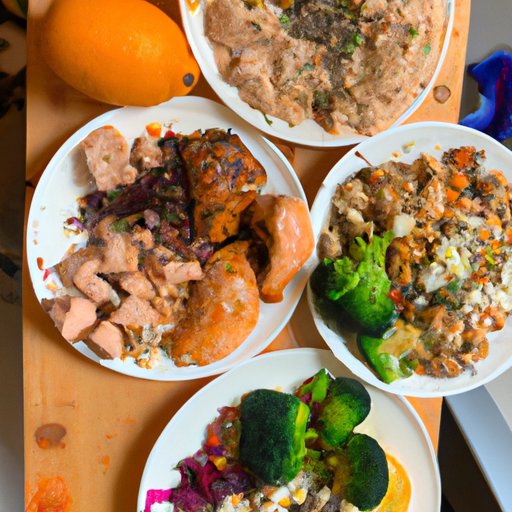
Meal Ideas to Help Get Started
Breakfast
A typical breakfast on the keto diet could include eggs cooked in butter or coconut oil, bacon, sausage, or smoked salmon, avocado slices, and a side of spinach sautéed in olive oil.
Lunch
For lunch, you could have a salad topped with grilled chicken, feta cheese, olives, cucumbers, tomatoes, and a homemade vinaigrette dressing. You could also have a burger made with grass-fed beef and a side of roasted Brussels sprouts.
Dinner
For dinner, you could have a stir-fry made with shrimp, broccoli, bell peppers, mushrooms, and a homemade teriyaki sauce. Or, you could have a pork chop served with roasted sweet potatoes and a side of steamed kale.
Benefits of Supplementing with Keto-Friendly Foods
In addition to the benefits of the keto diet mentioned above, supplementing with certain keto-friendly foods can also be beneficial. These foods include MCT oil, coconut oil, grass-fed butter, and ghee. These foods can help improve blood sugar regulation, increase energy levels, and reduce appetite. Additionally, they can also help support overall health and wellbeing.
Conclusion
The keto diet is a popular low-carbohydrate diet that has been shown to have many health benefits. It involves limiting carbohydrate intake and increasing fat consumption to enter a state of ketosis, where your body is burning fat for energy instead of glucose. When following the keto diet, it is important to set realistic goals, track macronutrient intake, make a meal plan, and supplement with keto-friendly foods. With dedication and commitment, the keto diet can be a successful tool for achieving your health and fitness goals.
Summary of Benefits of the Keto Diet
The keto diet has been shown to have numerous health benefits, including improved blood sugar control, reduced inflammation, increased energy levels, reduced appetite, improved mental clarity, and beneficial effects on several medical conditions. Additionally, supplementing with certain keto-friendly foods can also help improve blood sugar regulation, increase energy levels, and reduce appetite.
Final Remarks
The keto diet can be a powerful tool for achieving your health and fitness goals. With dedication and commitment, you can reap the many benefits of the keto diet. Be sure to set realistic goals, track your macronutrient intake, make a meal plan, and supplement with keto-friendly foods. With the right plan in place, you can be well on your way to success.
(Note: Is this article not meeting your expectations? Do you have knowledge or insights to share? Unlock new opportunities and expand your reach by joining our authors team. Click Registration to join us and share your expertise with our readers.)