
Introduction
For many women, waiting to find out if they are pregnant can be an anxious time. While there are some physical signs that may indicate that a woman is pregnant, such as fatigue, nausea, breast tenderness, and changes in appetite, the only way to know for sure is to take a pregnancy test. But when is the best time to take a test, and what type of test should you take? This article will provide an in-depth look at how soon you can test for pregnancy, exploring the different types of tests available and their accuracy levels.
Explaining the Different Types of Pregnancy Tests and When to Take Them
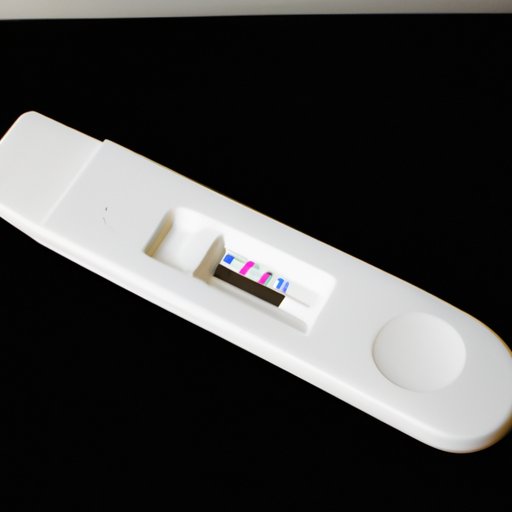
There are two main types of pregnancy tests: urine tests and blood tests. Urine tests are the most common type of pregnancy test and are typically done at home with an over-the-counter kit. These tests work by detecting the presence of hCG (human chorionic gonadotropin) in the urine. Blood tests are more sensitive than urine tests and can detect pregnancy earlier. However, these tests are typically done at a doctor’s office or lab.
When it comes to deciding when to take a pregnancy test, the general recommendation is to wait until you have missed your period. For most women, this is around two weeks after conception. However, if you have been trying to conceive and have noticed any of the signs of early pregnancy, such as fatigue, nausea, breast tenderness, or changes in appetite, then you may want to take a pregnancy test sooner. Some home pregnancy tests claim to be able to detect pregnancy up to six days before a missed period, but it is important to keep in mind that these results may not be accurate.

Examining the Accuracy Levels of Home Pregnancy Tests
Home pregnancy tests are generally reliable, but there are some cases where the results may not be accurate. False negative results occur when the test says you are not pregnant but you actually are. This can occur if the test is taken too early or if it is not used correctly. False positive results occur when the test says you are pregnant but you are not. This is much less common, but can occur if the test has expired or if you have been taking certain medications.
Understanding How Long it Takes for a Home Pregnancy Test to Show Accurate Results
The timing of the test is very important when it comes to getting accurate results. Most home pregnancy tests are designed to detect hCG levels in your urine, and it usually takes about two weeks after conception for these levels to reach a point where they can be detected. Therefore, it is generally recommended to wait until you have missed your period before taking a home pregnancy test.
It is also important to note that certain factors can affect the accuracy of the test. For example, drinking large amounts of fluids before taking the test can dilute the urine and make it harder for the test to detect hCG. Additionally, certain medications, such as diuretics or fertility drugs, can also affect the accuracy of the test.

Knowing What Symptoms to Look Out For Before Taking a Pregnancy Test
Before taking a pregnancy test, it can be helpful to recognize the early signs of pregnancy. These can include fatigue, nausea, breast tenderness, changes in appetite, and frequent urination. However, it is important to keep in mind that these symptoms can also be caused by other factors, such as stress or illness.

Discussing the Pros and Cons of Early Pregnancy Testing
Deciding whether or not to take an early pregnancy test can be a difficult decision. On one hand, taking an early test can help to provide peace of mind and allow you to begin making decisions about your pregnancy. On the other hand, early tests may not always be accurate and can lead to unnecessary worry and stress. It is important to weigh the pros and cons of early testing before making a decision.
Some of the benefits of early testing include being able to confirm or rule out a pregnancy sooner, allowing you to begin making decisions about your pregnancy, and reducing the risk of complications due to lack of prenatal care. The risks of early testing include increased stress and anxiety due to uncertainty, potential false results, and the possibility of having to repeat the test.
Conclusion
In conclusion, understanding how soon you can test for pregnancy is important for those who are considering taking a test. There are two main types of pregnancy tests: urine tests and blood tests. Urine tests are the most common and are typically done at home with an over-the-counter kit. Most home pregnancy tests are reliable, but there are some cases where the results may not be accurate. Additionally, the timing of the test is important in order to get accurate results, and it is generally recommended to wait until you have missed your period before taking a home pregnancy test. Finally, it is important to consider the pros and cons of early pregnancy testing before making a decision.
For those considering taking an early pregnancy test, it is important to remember that the results may not be accurate and could lead to unnecessary stress and anxiety. If you do decide to take a test, make sure to follow the instructions carefully and talk to your doctor if you have any questions or concerns.
(Note: Is this article not meeting your expectations? Do you have knowledge or insights to share? Unlock new opportunities and expand your reach by joining our authors team. Click Registration to join us and share your expertise with our readers.)