
Introduction
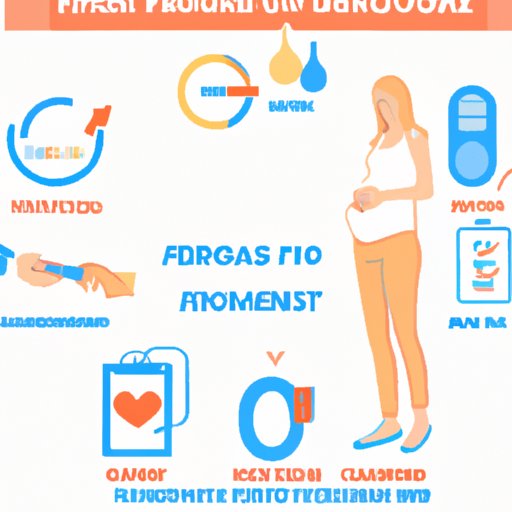
When a woman suspects she may be pregnant, one of the first questions she will ask is, “How soon can I find out if I am pregnant?”. The answer to this question depends on the method used to confirm the pregnancy. In this article, we will explore the different options available to help women answer this question.
There are several reasons why a woman may want to know if she is pregnant as soon as possible. Some women may want to confirm their pregnancy so they can start making decisions about their future. Others may want to confirm their pregnancy to start planning for the baby. Knowing early on can also provide peace of mind, allowing a woman to take steps to ensure she is eating a healthy diet and taking the necessary supplements during her pregnancy.
Exploring the Signs and Symptoms of Early Pregnancy
The earliest signs and symptoms of pregnancy usually appear around the sixth week after the last menstrual period. These include missed periods, breast tenderness, nausea, fatigue, and frequent urination. However, these symptoms can vary from woman to woman, and some women may experience no symptoms at all.
It is important to note that some of the signs and symptoms of early pregnancy can be similar to those experienced in premenstrual syndrome. Therefore, it is important to consult your doctor if you are experiencing any of these symptoms and think you may be pregnant.
How to Use Home Pregnancy Tests
Home pregnancy tests are an easy way to find out if you are pregnant. They measure the level of the hormone human chorionic gonadotropin (hCG) in urine. This hormone is produced by the placenta shortly after conception. Most home pregnancy tests are over 99% accurate when used correctly.
Home pregnancy tests are available in drugstores and online. There are two types of home pregnancy tests: digital and standard. Digital tests give results in words such as “pregnant” or “not pregnant”, while standard tests show results as a line or symbol. Results should be read within the time frame indicated on the package.
However, it is important to note that a negative test result does not always mean that you are not pregnant. A false negative result can occur if the test is taken too early, or if the test was not stored or used properly. If you have had unprotected sex and still have not received a positive result, it is recommended that you repeat the test a few days later.
Timing a Medical Appointment for Pregnancy Confirmation
If you are unsure of the results from a home pregnancy test, or if you are experiencing any of the signs and symptoms of early pregnancy, it is advisable to make an appointment with your doctor or midwife. During the appointment, the doctor will ask questions about your medical history and may perform a physical examination. They may also order a blood test to confirm the pregnancy.
Your doctor may also discuss lifestyle changes you need to make and provide advice on nutrition, exercise, and other health topics. They may also refer you to a specialist if needed. It is important to remember that the earlier you seek medical advice, the better the outcome for both you and your baby.
Understanding the Accuracy of Blood Tests
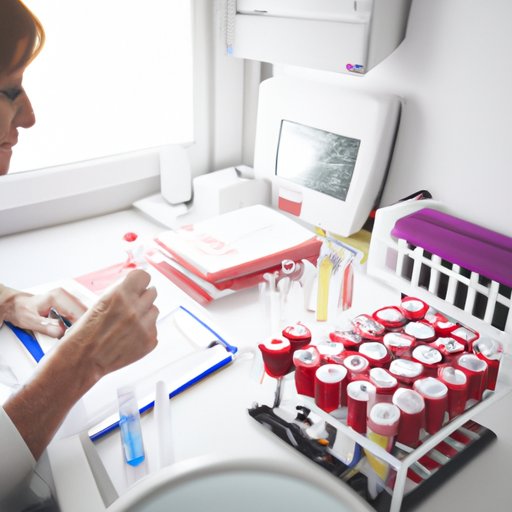
Blood tests are more sensitive than home pregnancy tests and can detect lower levels of hCG. The most common type of blood test used to diagnose pregnancy is the beta human chorionic gonadotropin (β-hCG) test. This test measures the amount of hCG in the blood and is usually done between 7 and 12 days after conception. The test results will either be positive (indicating a pregnancy) or negative (indicating no pregnancy).
It is important to note that a positive result does not necessarily mean that the pregnancy is viable. It is possible to have a positive test result even if the embryo has not developed properly. If a positive result is obtained, further tests may be required to confirm the viability of the pregnancy.
Overview of Common Pregnancy Scans
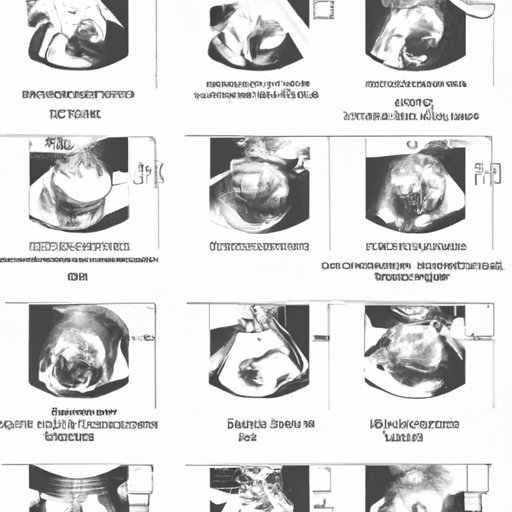
A pregnancy scan is an ultrasound image taken of the developing fetus. It is usually performed between 6 and 8 weeks after conception. The scan allows the doctor to check the size and position of the fetus, as well as look for any potential abnormalities. It can also help to determine the due date.
There are two types of pregnancy scans: transvaginal and abdominal. Transvaginal scans are more detailed and are usually performed earlier in the pregnancy. Abdominal scans are less detailed but can be used if transvaginal scans cannot be performed. Both types of scans can help to confirm the presence of a viable pregnancy.
Knowing When to Seek Professional Assistance
If you are unsure about whether or not you are pregnant, it is important to speak to a healthcare provider. They can provide advice and support, as well as answer any questions you may have. It is also important to seek medical attention if you are experiencing any signs or symptoms of miscarriage, such as heavy bleeding, severe cramping, or passing tissue.
It is important to remember that every woman’s pregnancy is unique and the experience can vary from person to person. Therefore, it is important to seek professional medical advice to ensure you receive the best care possible.
Conclusion
In conclusion, there are several ways to find out if you are pregnant. Home pregnancy tests are an easy and convenient way to find out if you are pregnant, however, a negative result does not always mean that you are not pregnant. It is important to seek medical advice if you are experiencing any signs and symptoms of early pregnancy or if you have had unprotected sex and still have not received a positive result. Blood tests and scans are also available to help confirm a pregnancy. Remember to seek professional medical advice if you are unsure or have any questions.
For more information on pregnancy, please visit the following websites:
- NHS – Pregnancy and Baby
- American Pregnancy Association
-
(Note: Is this article not meeting your expectations? Do you have knowledge or insights to share? Unlock new opportunities and expand your reach by joining our authors team. Click Registration to join us and share your expertise with our readers.)