
Introduction
Having the right pair of tennis shoes is essential for any tennis enthusiast, as it can make all the difference in terms of comfort and performance on the court. But, when it comes to finding the perfect fit, there are several factors to consider. In this article, we’ll explore how tennis shoes should fit, the different types of shoes available, and the best materials for properly fitting shoes.
Analyzing the Anatomy of a Tennis Shoe and How It Should Fit
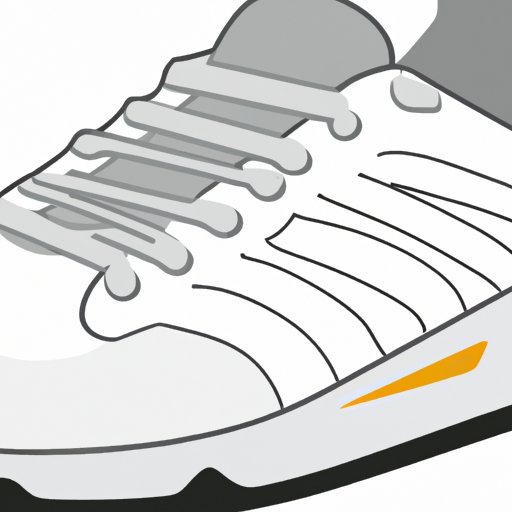
Before we dive into the specifics of how tennis shoes should fit, let’s take a look at the anatomy of a tennis shoe. Most tennis shoes are composed of a breathable upper, midsole cushioning, and a durable outsole. The upper part of the shoe provides support and stability, while the midsole provides shock absorption and cushioning. The outsole is typically made from a durable rubber material that provides traction and grip on the court.
When assessing the fit of a tennis shoe, it’s important to pay attention to the width, length, toe box, arch support, and heel cup. The width should be snug but not too tight; if the shoe is too wide, it won’t provide the necessary support. The length should also be snug, but not so tight that your toes feel cramped. The toe box should be roomy enough to allow your toes to move freely, while the arch support should provide adequate support for your feet.
Finally, the heel cup should be snug and secure, as this helps to keep your foot in place while you’re playing. As a general rule of thumb, your heel should stay in place when you lift your foot off the ground, without slipping out of the shoe.

Demystifying the Different Types of Tennis Shoes and Their Ideal Fit
There are several types of tennis shoes available, each with its own advantages and disadvantages. Some of the most common types of tennis shoes include court shoes, cushioned shoes, lightweight shoes, and stability shoes. Court shoes are designed for maximum traction and durability, while cushioned shoes provide extra cushioning and shock absorption. Lightweight shoes are designed for maximum speed and agility, and stability shoes provide extra support and stability.
When it comes to finding the ideal fit, it’s important to consider the type of tennis shoe you’re looking for. Court shoes should fit snugly, but not too tight; they should offer plenty of room in the toe box and arch support. Cushioned shoes should also fit snugly, but should provide extra cushioning in the midsole for added comfort. Lightweight shoes should be snug but not too tight, and should provide ample room in the toe box. Finally, stability shoes should be snug but not too tight, and should provide extra support and stability.

Examining the Pros and Cons of Tight vs Loose Fitting Tennis Shoes
When it comes to the fit of a tennis shoe, there are pros and cons to both tight and loose fitting shoes. Tight fitting shoes provide increased stability and support, as well as a better overall feel on the court. However, too tight of a fit can lead to discomfort, and can even cause blistering and other foot injuries. On the other hand, loose fitting shoes provide more freedom of movement, but can lead to instability and lack of support.
In general, it’s best to opt for a snug but not too tight fit. This will provide the necessary support and stability while still allowing enough room for your feet to move comfortably. It’s also important to make sure that the shoe fits properly in the arch and heel, as this will help to reduce the risk of injury.
Exploring the Impact of Shoe Size on Comfort and Performance
It’s important to note that shoe size has a direct impact on both comfort and performance. A shoe that is too small will be uncomfortable and may cause blisters or other foot injuries. On the other hand, a shoe that is too big can cause instability and lack of support. Therefore, it’s important to find a shoe that fits correctly in terms of both length and width.
When choosing a shoe size, it’s best to use a sizing chart or have your feet professionally measured. Additionally, it’s important to try on several pairs of shoes to determine which one fits best. This will help to ensure that you get the right size for your feet.

Investigating the Best Materials for a Properly Fitting Tennis Shoe
The material used in a tennis shoe can also affect the overall fit and comfort level. Synthetic materials, such as nylon and polyester, are lightweight and breathable, but can be less durable than leather or canvas. Leather and canvas are more durable, but can be heavier and less breathable than synthetic materials. When selecting the material for a tennis shoe, it’s important to consider the type of surface you’ll be playing on, as well as your personal preferences.
For example, leather and canvas are better suited for hard courts, while synthetic materials are better suited for clay courts. Ultimately, it’s up to you to decide which material best suits your needs and preferences.
Comparing the Benefits of Buying Custom-Fitted Tennis Shoes
If you’re looking for the ultimate in comfort and performance, then custom-fitted tennis shoes may be the way to go. Custom-fitted shoes are designed to fit your feet perfectly, providing optimal comfort and support. They are also designed to provide the right amount of cushioning and stability for your particular style of play.
However, custom-fitted shoes can be expensive, and they may require additional fittings to ensure the perfect fit. Additionally, some people may find that custom-fitted shoes are too stiff or uncomfortable. Ultimately, it’s up to you to decide whether or not custom-fitted shoes are worth the investment.
Conclusion
Finding the perfect fit for your tennis shoes is essential for ensuring maximum comfort and performance on the court. When assessing the fit of a tennis shoe, it’s important to consider the width, length, toe box, arch support, and heel cup. Additionally, it’s important to consider the type of tennis shoe you’re looking for, as well as the material and size. Lastly, custom-fitted shoes may be an option for those who want the ultimate in comfort and performance.
By following these guidelines, you can be sure to find a pair of tennis shoes that fit your feet perfectly. With the right pair of shoes, you’ll be able to enjoy your time on the court to the fullest.
(Note: Is this article not meeting your expectations? Do you have knowledge or insights to share? Unlock new opportunities and expand your reach by joining our authors team. Click Registration to join us and share your expertise with our readers.)