
Introduction
Ready to eat foods are foods that have been cooked and can be eaten immediately. These foods include sandwiches, salads, pizza, and pre-packaged snacks. Proper storage of ready to eat foods is important for maintaining safety and quality. When stored improperly, these foods can become contaminated with bacteria or other microorganisms which can lead to food poisoning or other health issues. Therefore, it is essential to understand the proper methods for storing ready to eat foods after cooling.
Refrigerate Immediately
The first step in storing ready to eat foods is to refrigerate them as soon as possible. According to a study conducted by the National Center for Home Food Preservation, “refrigerating foods promptly after cooking helps to reduce the growth of harmful bacteria and maintain the quality of the food.”
Why Refrigerate as Soon as Possible
Bacteria thrive in temperatures between 40°F and 140°F, and this temperature range is known as the “danger zone”. If ready to eat foods are left at room temperature for more than two hours, the bacteria will start to grow and multiply rapidly. To prevent this from occurring, it is important to refrigerate ready to eat foods as soon as possible.
Strategies for Quick Refrigeration
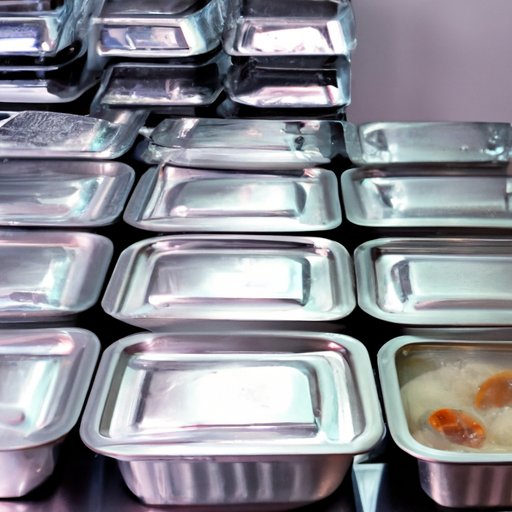
To ensure the safe storage of ready to eat foods, there are several strategies that can be used to quickly refrigerate them. The first is to divide large batches of food into smaller portions so they can cool faster. Additionally, it is important to place the food in shallow containers so that heat can escape more quickly. Finally, stirring the food while it is cooling can help it reach the desired temperature more quickly.
Keep Them Separate
It is also important to keep ready to eat foods separate from raw foods. According to the USDA, “cross-contamination occurs when bacteria from raw food is transferred to ready to eat food, which can cause foodborne illness.”
Benefits of Separating Raw and Prepared Foods
Separating raw and prepared foods helps to prevent cross-contamination and ensures that the ready to eat foods remain safe. It also helps to maintain the quality of the food by preventing it from becoming contaminated with bacteria or other microorganisms. Additionally, separating raw and prepared foods helps to maintain the flavor and texture of the food.
Best Practices for Keeping Foods Separate
The best way to keep raw and prepared foods separate is to store them in different areas of the refrigerator. It is also important to use separate cutting boards and utensils for preparing raw and cooked foods. Finally, it is important to thoroughly wash hands, utensils, and surfaces after handling raw foods.
Use Proper Containers
Using proper containers for storing ready to eat foods is another important step for ensuring food safety. It is important to use airtight containers or bags to keep the food fresh and prevent contamination.
Types of Airtight Containers and Bags
A variety of airtight containers and bags are available for storing ready to eat foods. These include plastic containers, zipper-top bags, and mason jars. Additionally, containers and bags made of glass, metal, or ceramic can also be used to store ready to eat foods.
Advantages of Using Proper Containers
Using proper containers for storing ready to eat foods helps to maintain their quality and prevents them from becoming contaminated with bacteria or other microorganisms. Additionally, using airtight containers helps to preserve the flavor and texture of the food. Finally, using containers with lids also helps to avoid spills and messes in the refrigerator.
Label and Date
Labeling and dating ready to eat foods is another important step for ensuring food safety. Labeling and dating foods helps to identify when they were prepared and when they should be discarded.
Importance of Labeling and Dating
Labeling and dating ready to eat foods helps to ensure that they are consumed within a safe time frame. According to the Centers for Disease Control and Prevention (CDC), “most ready to eat foods should be discarded if they are not consumed within four days of being prepared.”
Tips for Labeling and Dating
When labeling and dating ready to eat foods, it is important to use a permanent marker and write the date of preparation clearly on the container. Additionally, it is important to use a label maker or stickers to clearly identify the type of food in the container. Finally, it is important to check the labels regularly to ensure that the foods have not expired.
Avoid Overcrowding
It is also important to avoid overcrowding the refrigerator when storing ready to eat foods. Overcrowding can cause the temperature of the refrigerator to rise, which can lead to food spoilage.
Problem of Overcrowding
Overcrowding the refrigerator can cause the internal temperature to rise, which can lead to food spoilage. Additionally, overcrowding can also make it difficult to find and access the foods that are stored in the refrigerator.
Solutions for Maintaining Space in the Fridge
To avoid overcrowding the refrigerator, it is important to organize the foods in the fridge and store them in separate containers or bags. Additionally, it is important to group similar items together and leave enough space between them for air circulation. Finally, it is important to remove any expired or spoiled foods regularly.
Set at Proper Temperature
Setting the refrigerator at the proper temperature is also important for storing ready to eat foods. According to the FDA, “the ideal temperature for storing ready to eat foods is 40°F or lower.”
Ideal Temperature for Storing Foods
The ideal temperature for storing ready to eat foods is 40°F or lower. This temperature helps to reduce the growth of bacteria and maintain the quality of the food. Additionally, setting the refrigerator at this temperature also helps to preserve the flavor and texture of the food.
Ways to Monitor and Maintain Appropriate Temperature
To ensure that the refrigerator is set at the proper temperature, it is important to monitor the temperature regularly. Additionally, it is important to adjust the temperature setting as needed. Additionally, it is important to avoid placing hot foods directly into the refrigerator, as this can cause the temperature to rise.
Monitor Quality
Finally, it is important to monitor the quality of the ready to eat foods regularly. It is important to check for signs of spoilage, such as mold or off odors, and discard any spoiled foods.
Check for Signs of Spoilage
It is important to check the ready to eat foods regularly for signs of spoilage. These signs include discoloration, mold, off odors, and slimy textures. If any of these signs are present, the food should be discarded.
When to Discard Spoiled Foods
It is important to discard any spoiled ready to eat foods immediately. Additionally, it is important to clean the area where the food was stored and sanitize any utensils or surfaces that came in contact with the food.
Conclusion
Storing ready to eat foods after cooling is a critical step for ensuring food safety. To ensure the safe storage of these foods, it is important to refrigerate them as soon as possible, keep them separate from raw foods, use proper containers, label and date them, avoid overcrowding the refrigerator, set the temperature at 40°F or lower, and monitor the quality of the food regularly. By following these steps, it is possible to ensure the safe storage of ready to eat foods.
Summary of Important Points
To ensure the safe storage of ready to eat foods, it is important to:
- Refrigerate them as soon as possible
- Keep them separate from raw foods
- Use proper containers
- Label and date them
- Avoid overcrowding the refrigerator
- Set the temperature at 40°F or lower
- Monitor the quality of the food regularly
Final Reminders for Storing Ready to Eat Foods
When storing ready to eat foods, it is important to remember to refrigerate them as soon as possible, keep them separate from raw foods, use proper containers, label and date them, avoid overcrowding the refrigerator, set the temperature at 40°F or lower, and monitor the quality of the food regularly.
(Note: Is this article not meeting your expectations? Do you have knowledge or insights to share? Unlock new opportunities and expand your reach by joining our authors team. Click Registration to join us and share your expertise with our readers.)