
Introduction
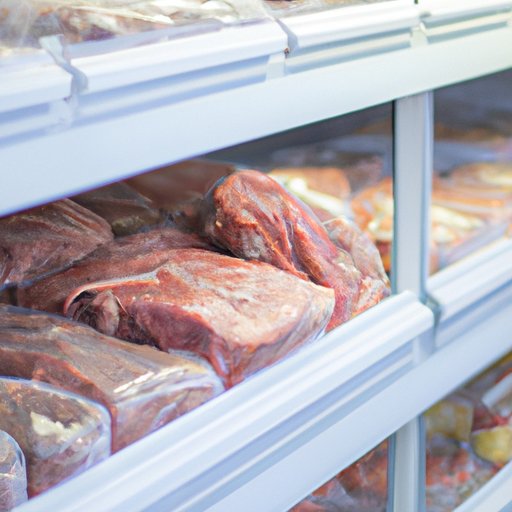
Raw meat is any type of uncooked animal flesh that is meant to be eaten. It can include beef, poultry, pork, and seafood, among others. Properly storing raw meat is essential to keeping your kitchen clean and safe, as well as preserving the flavor and texture of the food. In this article, we will explore how to store raw meat prior to cooking, including best practices and tips for keeping your kitchen clean.
Step-by-Step Guide to Properly Shelving Raw Meat
When it comes to storing raw meat, there are certain steps you should take in order to ensure the safety of your food. Here is a step-by-step guide to properly shelving raw meat.
Select a Proper Container for Storing the Raw Meat
The first step in properly storing raw meat is to select a proper container for storing it. It is best to use a sealed, airtight container so that no bacteria or other contaminants can get into the meat. Plastic containers with tight-fitting lids are ideal, as they will keep the meat fresh and prevent any cross-contamination. If you are buying pre-packaged raw meat, make sure the package is not damaged or leaking before bringing it home.
Separate the Raw Meat from Other Foods
In order to avoid cross-contamination, it is important to separate the raw meat from other foods. Keep the raw meat in its own container and away from any other food items. This will help to prevent any bacteria or other contaminants from getting onto other food items.
Place the Raw Meat in the Refrigerator or Freezer
Once the raw meat is separated from other food items, it should be placed in the refrigerator or freezer. The temperature of the refrigerator should be set between 34°F and 40°F, while the temperature of the freezer should be set at 0°F or below. Placing the raw meat in the refrigerator or freezer will help to slow the growth of bacteria and keep the meat fresh for longer.
Label and Date the Raw Meat
It is also important to label and date the raw meat so that you know when it was purchased and when it should be used by. This will help to ensure that the meat is not left out too long and that it is used within a safe time frame.

How to Keep Your Kitchen Safe: The Basics of Storing Raw Meat
In addition to the steps listed above, there are certain basic guidelines that should be followed when storing raw meat. These guidelines will help to keep your kitchen safe and prevent any potential contamination.
Do Not Leave Raw Meat Out Unrefrigerated
Raw meat should never be left out unrefrigerated. Leaving raw meat out at room temperature can cause bacteria to grow quickly, leading to food poisoning. To keep your kitchen safe, make sure that the raw meat is always stored in the refrigerator or freezer.
Wash Hands After Handling Raw Meat
It is also important to wash your hands after handling raw meat. Bacteria from the raw meat can easily spread to other surfaces if your hands are not washed, leading to potential contamination. Make sure to wash your hands thoroughly with soap and warm water after handling raw meat.
Clean All Surfaces After Handling Raw Meat
Finally, it is important to clean all surfaces after handling raw meat. Any surfaces that have come into contact with the raw meat should be cleaned with hot, soapy water to prevent the spread of bacteria. This includes cutting boards, countertops, and utensils.

What You Need to Know About the Best Way to Store Raw Meat
When it comes to storing raw meat, there are certain best practices that should be followed. Following these guidelines will help to ensure that the raw meat is stored safely and that it does not become contaminated.
Avoid Cross-Contamination
Cross-contamination occurs when bacteria from one food item is transferred to another. To avoid cross-contamination, make sure that the raw meat is kept separate from other food items and that the same utensils and cutting boards are not used for both the raw meat and other food items. Additionally, make sure to wash your hands thoroughly after handling raw meat.
Store Raw Meat in an Air-Tight Container
It is also important to store raw meat in an air-tight container. This will help to keep bacteria and other contaminants out of the meat. Additionally, it will help to preserve the flavor and texture of the meat.
Use Cooler Temperatures to Slow Bacterial Growth
Finally, it is important to keep the raw meat at cooler temperatures in order to slow the growth of bacteria. The ideal temperature range for storing raw meat is between 34°F and 40°F. Keeping the raw meat at this temperature will help to reduce the risk of foodborne illnesses.
The Do’s and Don’ts of Storing Raw Meat
In order to ensure the safety of your kitchen, there are certain do’s and don’ts when it comes to storing raw meat. Here are some of the do’s and don’ts of storing raw meat.
Do Choose the Right Container
When storing raw meat, it is important to choose the right container. Plastic containers with tight-fitting lids are ideal, as they will help to keep the meat fresh and prevent any cross-contamination.
Do Separate Raw Meat from Other Foods
In order to prevent cross-contamination, it is important to keep the raw meat separate from other food items. This includes using separate cutting boards and utensils for raw meat. Additionally, make sure to wash your hands after handling raw meat.
Do Use Cooler Temperatures
It is also important to keep the raw meat at cooler temperatures in order to slow the growth of bacteria. The ideal temperature range for storing raw meat is between 34°F and 40°F.
Don’t Leave Raw Meat Out Unrefrigerated
Raw meat should never be left out unrefrigerated. Leaving raw meat out at room temperature can cause bacteria to grow quickly, leading to food poisoning.
Don’t Refreeze Thawed Meat
Additionally, it is important to not refreeze thawed meat. Once the meat has been thawed, it should be cooked immediately and not refrozen.
Tips for Keeping Raw Meat Away from Other Foods
In order to keep raw meat away from other foods, there are certain steps you can take. Here are some tips for keeping raw meat away from other foods.
Store Raw Meat on the Bottom Shelf of the Refrigerator
To prevent cross-contamination, it is best to store raw meat on the bottom shelf of the refrigerator. This will help to keep the raw meat away from other food items and prevent any potential contamination.
Utilize Separate Cutting Boards and Utensils for Raw Meat
It is also important to utilize separate cutting boards and utensils for raw meat. This will help to prevent any bacteria from spreading to other food items.
Sanitize All Surfaces After Handling Raw Meat
Finally, it is important to sanitize all surfaces after handling raw meat. This includes cutting boards, countertops, and utensils. Cleaning these surfaces with hot, soapy water will help to prevent the spread of bacteria.

The Most Effective Ways to Store Raw Meat Before Cooking
In order to ensure the safety and quality of your food, it is important to follow the guidelines outlined above when storing raw meat prior to cooking. Additionally, there are certain steps you can take to ensure that the raw meat is stored effectively.
Follow the Guidelines Above
It is important to follow the guidelines outlined above when storing raw meat. This includes selecting the right container, separating from other foods, labeling, and keeping cool temperatures. Following these guidelines will help to ensure that the raw meat is stored safely and that it does not become contaminated.
Cook Raw Meat Immediately
It is also important to cook raw meat immediately after purchase. This will help to reduce the risk of foodborne illnesses and ensure that the meat is cooked properly.
Check the Temperature of the Raw Meat
Finally, it is important to check the temperature of the raw meat before cooking. To do this, use a food thermometer to ensure that the internal temperature of the meat is at least 165°F. This will help to ensure that the meat is cooked properly and that any bacteria present has been killed.
Conclusion
Storing raw meat prior to cooking is an essential part of ensuring a safe and healthy meal. Following the guidelines outlined in this article will help to ensure that the raw meat is stored properly and that it does not become contaminated. Additionally, it is important to cook raw meat immediately after purchase and to check the internal temperature of the meat before cooking. By following these guidelines, you can ensure that your kitchen is clean and safe, and that the raw meat is stored properly.
(Note: Is this article not meeting your expectations? Do you have knowledge or insights to share? Unlock new opportunities and expand your reach by joining our authors team. Click Registration to join us and share your expertise with our readers.)