
Introduction
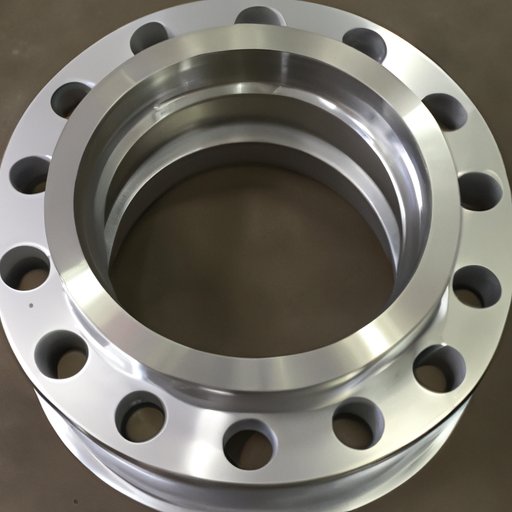
Flange fitting is a process of connecting two pipes, tubes or other components together using a flange. A flange is a piece of metal that has been cut, shaped and drilled to form a ring. It is used to join two pieces together and provide a secure connection. This article will explore the basics of flange fitting, how to ensure proper fitment and some common mistakes to avoid.

The Basics of Flange Fitting
When it comes to flange fitting, there are a few key components to understand. First, it’s important to know what a flange is and the types of flanges available. Additionally, one must be aware of the benefits of properly fitted flanges, so they can be sure to achieve the desired result.
What is a Flange?
A flange is a ring-shaped component with an inner diameter and outer diameter. It is used to connect two pieces of piping together and provide a secure connection. There are several different types of flanges available, which vary in size, material and pressure rating.
Types of Flanges
The most common types of flanges are slip-on, weld neck, threaded and blind. Slip-on flanges have an opening at both ends and are secured by bolts. Weld neck flanges have a long neck and are welded to the pipe for a secure connection. Threaded flanges have internal threads that allow them to be screwed onto a pipe. Blind flanges have no opening and are used to close off the end of a pipe.
Benefits of Properly Fitted Flanges
Properly fitted flanges provide a number of benefits, including increased safety, improved performance and decreased costs. When flanges are correctly fitted, they provide a secure connection that can withstand high pressures. This ensures the safety of personnel and equipment. Additionally, properly fitted flanges can reduce vibrations and increase efficiency, leading to better performance and lower costs.
Ensuring Proper Flange Fitment
Once you’ve chosen the right type of flange, there are a few steps to take to ensure proper fitment. These include measuring and marking the flange, installing the flange and ensuring it is sealed and secure.
Choosing the Right Flange
Before beginning the installation process, it’s important to choose the right flange for the job. This means considering a few factors, such as the size of the flange, the material of the flange and the pressure rating of the flange. Each of these should be taken into account to ensure the flange is suitable for the application.
Measuring and Marking the Flange
Once the right flange has been chosen, it’s time to measure and mark the flange. This involves taking accurate measurements of the flange and marking where it needs to be cut and drilled. This step is crucial to ensure the flange fits properly and securely.
Installing the Flange
Once the flange has been marked, it’s time to install it. This involves cutting and drilling the flange according to the markings, then attaching it to the pipe. It’s important to follow the instructions carefully to ensure the flange is installed correctly and securely.

Factors to Consider When Choosing the Right Flange
When choosing the right flange for a particular application, there are a few factors to consider. These include size, material and pressure rating.
Size of the Flange
The size of the flange is an important factor to consider when selecting the right flange. If the flange is too small, it won’t provide a secure connection; if it’s too large, it won’t fit properly. Be sure to measure the pipe or component accurately to ensure the flange is the correct size.
Material of the Flange
The material of the flange is also important to consider. Common materials include steel, stainless steel and cast iron. Different materials are suitable for different applications, so it’s important to choose the material that is best suited for the job.
Pressure Rating of the Flange
The pressure rating of the flange is also an important factor to consider. Different flanges have different pressure ratings, and it’s important to select a flange that is rated for the pressure of the application. Using a flange that is not rated for the required pressure can lead to leaks and other problems.
How to Ensure Flanges are Sealed and Secure
Once the flange has been installed, it’s important to make sure it is sealed and secure. This can be done by using gaskets and bolts to create a tight seal between the flange and pipe. Additionally, it’s important to inspect the flange after installation to ensure it is properly sealed and secure.

Common Mistakes in Flange Fitting
When it comes to flange fitting, there are a few common mistakes to avoid. One of the most common mistakes is not measuring the flange accurately. It’s important to take accurate measurements to ensure the flange is the correct size and will fit properly. Additionally, it’s important to check the pressure rating of the flange and make sure it is suitable for the application. Finally, it’s important to make sure the flange is properly secured with gaskets and bolts to ensure it is sealed and secure.
Understanding the Different Types of Flanges
When it comes to flange fitting, it’s important to understand the different types of flanges available. As mentioned above, the most common types of flanges are slip-on, weld neck, threaded and blind. Each of these has its own purpose and is suitable for different applications. It’s important to be aware of the differences between each type of flange to ensure the right one is chosen for the job.
Conclusion
Flange fitting is a process of connecting two pipes, tubes or other components together using a flange. It is important to understand the basics of flange fitting, how to ensure proper fitment and some common mistakes to avoid. Additionally, it’s important to consider factors such as size, material and pressure rating when choosing the right flange. Finally, it’s important to use gaskets and bolts to ensure the flange is sealed and secure. With the right knowledge and understanding, flange fitting can be a simple and effective process.
(Note: Is this article not meeting your expectations? Do you have knowledge or insights to share? Unlock new opportunities and expand your reach by joining our authors team. Click Registration to join us and share your expertise with our readers.)