
Introduction
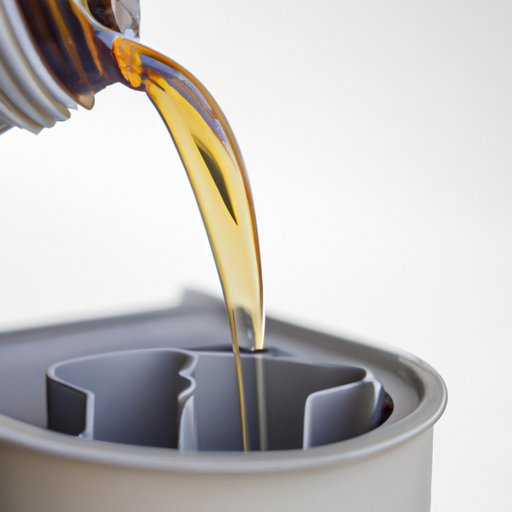
Transmission fluid is a liquid that helps lubricate and cool your vehicle’s transmission system. It keeps the metal components of the transmission from grinding together, reducing wear and tear on the system. To keep your transmission in good working condition, it’s important to understand how often your transmission fluid needs to be changed.
A Comprehensive Guide to Understanding When to Change Your Transmission Fluid
How Often Should You Change Your Vehicle’s Transmission Fluid?
The frequency with which you should change your transmission fluid depends on the type of vehicle you have and the type of transmission fluid it requires. Generally speaking, most manufacturers recommend changing transmission fluid every 30,000 to 60,000 miles. However, some vehicles may require more frequent changes, such as every 15,000 miles. To be sure, check your vehicle’s owner’s manual for specific recommendations.
What Are the Benefits of Regularly Changing Your Transmission Fluid?
There are several benefits to regularly changing your transmission fluid. First, it helps ensure that your transmission is operating at peak performance. As the fluid ages, it can become contaminated or worn down, reducing its effectiveness. Regularly changing your fluid will help keep it clean and free of debris, which can improve the efficiency of your transmission and extend its life span. Additionally, regularly changing your transmission fluid can help prevent costly repairs down the road.
5 Signs That It’s Time to Change Your Transmission Fluid
If you don’t follow the manufacturer’s recommended schedule for changing your transmission fluid, there are several signs that you can look out for that indicate it’s time for a change. These include:
Unusual Noises or Vibrations
If you start to hear any unusual noises coming from your transmission, such as whining, humming, or grinding, it could be a sign that your transmission fluid is dirty or low. Vibrations or shaking while accelerating or shifting gears can also be an indication that your fluid is in need of a change.
Leaking Transmission Fluid
If you notice any leaks underneath your car, it could be a sign that your transmission fluid is leaking. Leaks can be caused by a variety of issues, including loose fittings or a worn-out seal. If you suspect a leak, take your car to a mechanic for a professional inspection.
Slipping Gears
If your transmission is slipping, it’s likely due to a lack of lubrication. Slippage occurs when the friction between the gears isn’t enough to keep them engaged. This can cause a delay when shifting gears or a sudden jerk when the gear finally engages. Low or dirty transmission fluid is usually the culprit.
Burning Smell
If you smell a burning odor coming from your car, it could be a sign that your transmission fluid is overheating. Overheating can occur if the fluid is low or if it’s old and no longer able to effectively lubricate the transmission. If you detect a burning smell, have your transmission fluid checked immediately.
Check Engine Light Illuminated
If your check engine light comes on, it’s a sign that something is wrong with your vehicle. In some cases, the cause of the problem could be related to your transmission fluid. If this is the case, the light will remain illuminated until the issue is resolved. Have your vehicle inspected by a professional as soon as possible.

The Pros and Cons of Synthetic vs. Conventional Transmission Fluids
When it comes to choosing the right transmission fluid for your vehicle, there are two main types to choose from: synthetic and conventional. Each type has its own unique set of advantages and disadvantages.
Pros of Synthetic Transmission Fluids
Synthetic transmission fluids offer superior protection against wear and tear. They also last longer than conventional fluids, meaning you won’t have to change your fluid as often. Additionally, synthetic fluids are designed to withstand higher temperatures and are less prone to oxidation, making them ideal for high-performance vehicles.
Pros of Conventional Transmission Fluids
Conventional transmission fluids are generally less expensive than synthetic fluids. Additionally, they are easier to find and are compatible with a wider range of vehicles. For older vehicles, conventional fluids may be the only option.
Cons of Synthetic Transmission Fluids
Synthetic transmission fluids are more expensive than conventional fluids and may not be compatible with all vehicles. Additionally, some vehicles may require special additives to be added to the fluid, increasing the cost even further.
Cons of Conventional Transmission Fluids
Conventional transmission fluids are less effective at protecting against wear and tear, and they don’t last as long as synthetic fluids. Additionally, they are more prone to oxidation and can break down quickly under high temperatures.
How to Know When it’s Time for a Transmission Fluid Exchange
Checking Your Owner’s Manual
The best way to determine when it’s time for a transmission fluid exchange is to consult your vehicle’s owner’s manual. Most manuals will provide a general guideline for when to change your fluid, as well as instructions for how to do so.
Visually Inspecting Your Transmission Fluid
You can also visually inspect your transmission fluid to see if it needs to be changed. Look for any discoloration or particles in the fluid, which could be a sign that it’s time for a change. Additionally, you can check the level of the fluid. If it’s too low, it’s likely time for an exchange.
Taking Your Vehicle to a Professional
Finally, if you’re still unsure of when to change your transmission fluid, it’s best to take your vehicle to a professional. A certified mechanic will be able to inspect your vehicle and provide an accurate assessment of when it’s time for a fluid exchange.
Conclusion
Regularly changing your transmission fluid is essential for keeping your vehicle in good working condition. How often you should change your fluid will depend on your vehicle’s make and model, as well as the type of fluid it requires. If you’re unsure of when to change your fluid, consult your owner’s manual or take your vehicle to a professional for an inspection. Taking care of your transmission fluid now can save you time and money in the long run.
(Note: Is this article not meeting your expectations? Do you have knowledge or insights to share? Unlock new opportunities and expand your reach by joining our authors team. Click Registration to join us and share your expertise with our readers.)