
Introduction
Replacing your air filter is one of the simplest ways to maintain the health and efficiency of your home’s HVAC system. Not only will regular air filter replacements help to keep your indoor air quality clean, but they can also save you money in energy costs and maintenance fees. In this article, we’ll explore the many benefits of replacing your air filter on a regular basis, as well as some tips for choosing the right air filter and replacement schedule.
Exploring the Benefits of Replacing Your Air Filter on a Regular Basis
There are several important benefits to replacing your air filter regularly. These include improved air quality, increased efficiency of your HVAC system, and extended life of your HVAC system.
Improved Air Quality
The primary benefit of regularly replacing your air filter is that it helps to improve the quality of the air inside your home by trapping dust, pollen, dander, and other airborne pollutants. If left unchecked, these pollutants can cause respiratory problems, allergies, and even asthma attacks. By replacing your air filter regularly, you can ensure that your family is breathing clean air and reduce their risk of developing health issues.
Increased Efficiency of HVAC System
Replacing your air filter also helps to increase the efficiency of your HVAC system. When your air filter becomes clogged, it restricts the flow of air, making it more difficult and expensive to heat or cool your home. By replacing your air filter regularly, you can ensure that your system is running at peak efficiency and save money on your energy bills.
Extended Life of HVAC System
Finally, regularly replacing your air filter can also help to extend the life of your HVAC system. A clogged air filter can put additional strain on the motor and other components, leading to premature wear and tear. By ensuring that your air filter is always clean and free from debris, you can help to extend the life of your system and avoid costly repairs or replacements.
How to Know When It’s Time to Change Your Air Filter
When it comes to replacing your air filter, the general rule of thumb is to do so every 3 months. However, depending on the type of filter and the amount of use your system gets, you may need to replace it more or less frequently. To determine when it’s time to change your air filter, there are a few simple steps you can take:
Visual Inspection
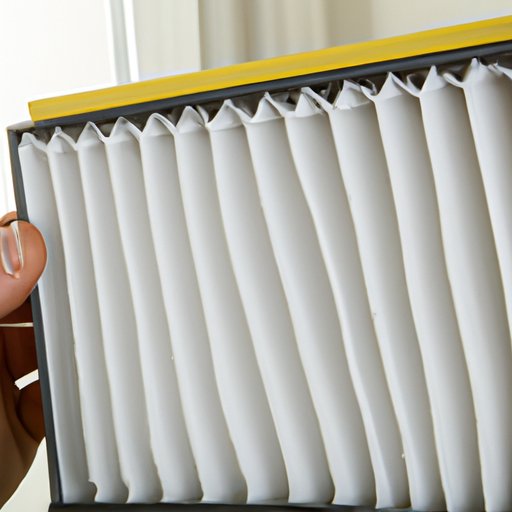
The first step is to visually inspect your air filter. Look for any visible signs of dirt or debris, such as dust or pet hair. If the filter looks dirty, it’s probably time to replace it.
Checking Air Flow
Next, check the air flow in the room where your system is located. If the air feels weak or stagnant, it could be a sign that your air filter is clogged and needs to be replaced.
Checking Filter Load
Finally, you can also check the filter load by taking off the filter and holding it up to a light source. If the filter looks dark or has a lot of debris, it’s time to replace it.
The Cost-Savings of Regularly Replacing Your Air Filter
In addition to improving the air quality in your home and extending the life of your HVAC system, regularly replacing your air filter can also help you save money. Here are a few ways that regularly replacing your air filter can save you money:
Reduced Energy Costs
As mentioned above, a clogged air filter can cause your HVAC system to work harder, resulting in higher energy costs. By replacing your air filter regularly, you can ensure that your system is running efficiently and save money on your energy bills.
Reduced Maintenance Costs
Regularly replacing your air filter can also help to reduce the cost of maintenance and repairs. A clogged air filter can put undue strain on the motor and other components of your HVAC system, leading to premature wear and tear. By replacing your air filter regularly, you can help to keep your system in good condition and avoid costly repairs or replacements.

What to Consider When Choosing an Air Filter and Replacement Schedule
When choosing an air filter and replacement schedule, there are a few things you should consider. First, you need to decide which type of air filter is best for your needs. There are several types of air filters available, including disposable fiberglass, pleated paper, electrostatic, and washable filters. Each type has its own advantages and disadvantages, so you should do your research to find the one that works best for your home.
You should also consider how often you need to replace your air filter. As a general rule, most air filters should be replaced every 3 months. However, if you have pets or live in an area with high levels of dust or pollen, you may need to replace your filter more frequently.

A Guide to Understanding Air Filter Lifespans
When it comes to understanding the lifespan of your air filter, there are a few factors to consider. Here’s a quick guide to understanding air filter lifespans:
Factors That Affect Air Filter Lifespan
The lifespan of your air filter is affected by several factors, including the type of filter, the amount of use your system gets, and the amount of dust and other particulates in the air. The more dust and particulates in the air, the more frequently you’ll need to replace your air filter.
Average Lifespan of Air Filters
On average, most air filters should be replaced every 3 months. However, some filters may last longer or shorter, depending on the type of filter and the amount of use your system gets.

The Environmental Impact of Changing Your Air Filter Regularly
Finally, regularly replacing your air filter can also have a positive impact on the environment. Replacing your air filter regularly helps to reduce the amount of pollutants in the air, which can help to improve air quality and reduce the risk of respiratory illnesses. Additionally, regularly replacing your air filter can also help to reduce waste, as you won’t need to buy new air filters as often.
Conclusion
Replacing your air filter regularly is one of the easiest and most cost-effective ways to maintain the health and efficiency of your home’s HVAC system. Not only does it help to improve the air quality in your home, but it can also save you money in energy costs and maintenance fees. Additionally, regularly replacing your air filter can also have a positive impact on the environment, reducing the amount of pollutants in the air and reducing waste.
By following the tips outlined in this article, you can ensure that your air filter is always clean and free from debris, helping to keep your family safe and healthy and extend the life of your HVAC system.
(Note: Is this article not meeting your expectations? Do you have knowledge or insights to share? Unlock new opportunities and expand your reach by joining our authors team. Click Registration to join us and share your expertise with our readers.)