
Introduction
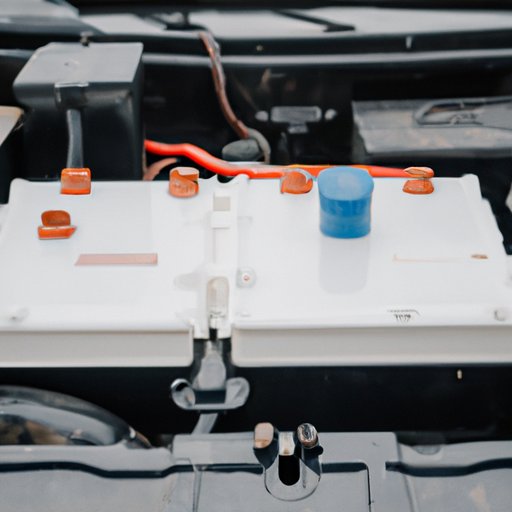
Car batteries are essential components of vehicles that provide the necessary power for starting and running the engine. If a car battery is not functioning properly, it can cause serious damage to the vehicle’s electrical system. As such, it is important to understand how long car batteries last and when they need to be replaced. This article will provide an in-depth guide to understanding the life cycle of car batteries and how often they need to be replaced.
Examining The Life Cycle of Car Batteries: How Often Should You Replace Yours?
The average lifespan of a car battery is three to five years. However, this can vary based on factors such as climate, driving habits, and the type of battery. Understanding these factors can help you determine when it is time to replace your car battery.
Average Lifespan of a Car Battery
According to a study conducted by the American Automobile Association (AAA), the average lifespan of a car battery is three to five years. After this time, the battery should be replaced to ensure optimal performance. However, this lifespan can be extended with proper maintenance and care.
Factors That Affect Car Battery Lifespan
There are several factors that can affect the lifespan of a car battery. These include climate, driving habits, and the type of battery. For example, batteries in cold climates tend to have shorter lifespans due to increased stress on the battery from cold temperatures. Additionally, frequent short trips can reduce the lifespan of a battery due to the high demands placed on it during start-up.
Common Questions About Car Battery Replacement: How Long Does a Battery Last?
When it comes to replacing a car battery, there are several questions that come to mind. How long does a battery last? What are the signs that you need to replace your battery? What are some causes of a shortened battery life? Let’s take a look at each of these questions in detail.
What Are The Signs That You Need To Replace Your Battery?
There are several signs that indicate it may be time to replace your car battery. These include a slow engine crank, dim headlights, and corrosion around the battery terminals. Additionally, if your battery is more than three years old, it is likely time to replace it.
What Are Some Causes Of A Shortened Battery Life?
There are several causes of a shortened battery life. These include extreme temperatures, frequent short trips, and lack of maintenance. Additionally, if the battery is overcharged or undercharged, this can also lead to a reduced lifespan.
How To Tell When It’s Time To Replace Your Car Battery
If you suspect that your car battery needs to be replaced, there are several tests you can perform to confirm this. These tests include checking for corrosion, taking voltage readings, and performing other tests to determine if your battery needs to be replaced.
Checking For Corrosion
One of the first steps in determining if your battery needs to be replaced is to check for corrosion. Corrosion around the battery terminals indicates that the battery is no longer functioning properly and needs to be replaced. You can check for corrosion by removing the battery cables and inspecting them for any white or green powdery buildup.
Taking Voltage Readings
Another way to tell if your battery needs to be replaced is to take voltage readings. This can be done with a multimeter. A healthy battery should read between 12.4 and 12.7 volts. If the reading is lower than this, it is likely time to replace your battery.
Other Tests To Determine If Your Battery Needs Replacing
In addition to checking for corrosion and taking voltage readings, there are other tests you can perform to determine if your battery needs to be replaced. These include testing the charging system, testing the starter motor, and performing a load test. If any of these tests indicate that the battery is not functioning properly, it is likely time to replace it.
How To Get The Most Out Of Your Car Battery: Pro-Tips For Replacing It On Time
To get the most out of your car battery, it is important to follow a few simple tips. These include choosing the right battery, maintaining and caring for your battery regularly, and avoiding extreme temperatures.
Choosing The Right Battery
When replacing your car battery, it is important to choose the right one. This means selecting a battery that has the correct size and terminal configuration for your vehicle. Additionally, it is important to select a battery that is designed for the climate in which you live.
Regular Maintenance And Care
“Proper maintenance and care is essential to extending the life of a car battery,” says Rick S., a mechanic at Johnson’s Auto Repair. “It’s important to check the electrolyte levels and make sure the connections are clean and free from corrosion.”
Avoiding Extreme Temperatures
Extreme temperatures can be damaging to car batteries. To avoid this, it is important to keep your car in a cool, dry place when it is not in use. Additionally, it is important to avoid leaving your car in direct sunlight for long periods of time.
Measuring The Effects Of Weather And Temperature On Car Battery Life
Weather and temperature can have a significant impact on car battery life. Let’s take a closer look at how these two factors can affect a car battery’s lifespan.
Cold Weather And Car Battery Performance
Cold weather can put extra strain on car batteries, reducing their lifespan. This is because cold weather reduces the amount of charge a battery can hold. Additionally, the chemical reactions inside the battery slow down in cold temperatures, making it less efficient.
Hot Weather And Car Battery Performance
Hot weather can also have an effect on car battery performance. High temperatures can cause the fluids inside the battery to evaporate, leading to decreased performance. Additionally, hot weather can accelerate the rate of corrosion on the battery terminals, reducing its lifespan.
What Do Car Mechanics Say About How Often To Replace Your Battery?
Car mechanics are a great source of information when it comes to understanding how often to replace your car battery. According to Chris L., a mechanic at Smith’s Auto Repair, “It is important to know when your battery needs to be replaced. I recommend checking the battery every six months and replacing it every three to five years, depending on the type of battery and climate.”

Exploring Different Types Of Car Batteries And Their Lifespans
When it comes to car batteries, there are several different types available. Each type has a different lifespan, so it is important to understand the differences before purchasing a new battery.
Lead Acid Batteries
Lead acid batteries are the most common type of car battery. They are typically inexpensive and have a lifespan of three to five years. However, this can be extended with proper maintenance and care.
AGM Batteries
Absorbed glass mat (AGM) batteries are more expensive than lead acid batteries but have a longer lifespan. AGM batteries typically last five to seven years and require less maintenance than lead acid batteries.
Lithium Ion Batteries
Lithium ion batteries are the newest type of car battery and have the longest lifespan. Lithium ion batteries typically last eight to ten years and require minimal maintenance. However, they are also the most expensive type of battery.
Conclusion
In conclusion, car batteries are a crucial component of vehicles and need to be replaced every three to five years. Knowing the signs that indicate it is time to replace your battery, as well as the factors that can affect its lifespan, can help you get the most out of your car battery. Additionally, understanding the different types of car batteries and their respective lifespans can help you make the best decision when it comes time to replace yours. By following these tips, you can ensure your car battery is always performing at its best.
(Note: Is this article not meeting your expectations? Do you have knowledge or insights to share? Unlock new opportunities and expand your reach by joining our authors team. Click Registration to join us and share your expertise with our readers.)