
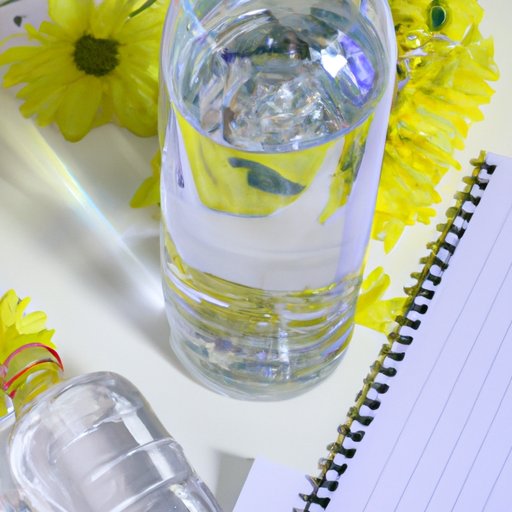
Introduction
Water is essential for human life, and it is an important factor in achieving and maintaining a healthy weight. While there are many factors that influence weight loss, such as diet and exercise, drinking enough water can be a key part of any successful weight loss plan. But how much water should you drink to lose weight? In this article, we explore the science behind water consumption and weight loss, and provide tips on how to calculate your ideal daily water intake.
A Scientific Analysis of How Much Water You Should Drink to Lose Weight
The Institute of Medicine recommends that healthy adults consume at least 2.7 liters (91 ounces) of water per day. This amount can vary depending on factors such as age, gender, activity level, and climate. For example, pregnant women need additional fluids to stay hydrated, while athletes may require more water than the average person to replace the fluids lost through sweating during exercise.
It’s also important to note that not drinking enough water can have serious health consequences. Dehydration can lead to fatigue, headaches, dizziness, and other symptoms. Chronic dehydration can even increase the risk of kidney stones and other medical conditions.

The Benefits of Drinking Water for Weight Loss
Drinking enough water can help with weight loss in several ways. First, drinking water can help reduce hunger and calorie intake. Studies have shown that people who drank two glasses of water before meals consumed fewer calories than those who did not. Additionally, drinking water can help to boost metabolism by increasing thermogenesis, the body’s process of burning calories to generate heat.
Water can also help to flush out toxins from the body, which can aid in weight loss. When the body is overloaded with toxins, it can cause inflammation, which can make it harder to lose weight. Drinking plenty of water helps to flush these toxins out of the body, making it easier to shed excess pounds.
Hydration and Weight Loss: What the Research Says
Several studies have suggested that increased water intake can be beneficial for weight loss. A study published in the journal Obesity found that participants who drank 500mL of water before meals lost 44% more weight than those who did not. A similar study published in the journal Appetite found that participants who drank a glass of water before meals reported feeling fuller and ate fewer calories.
Other studies have suggested that water can help regulate appetite. A study published in the journal Physiology & Behavior found that participants who drank 500mL of water before meals felt less hungry and consumed fewer calories than those who did not. Additionally, a study published in the journal Frontiers in Nutrition found that dehydration can lead to fatigue, which can lead to increased cravings for unhealthy foods.

Staying Hydrated: A Key Factor in Weight Loss
In order to maximize the potential weight loss benefits of drinking water, it’s important to stay hydrated throughout the day. To do this, try carrying a reusable water bottle with you and sipping on it throughout the day to ensure you’re getting enough water. Additionally, try incorporating hydrating snacks into your diet, such as cucumber slices, celery sticks, and watermelon cubes. You can also add more water to your meals by including soup or a smoothie.

How to Calculate Your Daily Water Intake for Weight Loss
To calculate your ideal daily water intake for weight loss, start by calculating your baseline water needs. The Institute of Medicine recommends that healthy adults consume at least 2.7 liters (91 ounces) of water per day. From there, consider factors such as your age, gender, activity level, and climate, and adjust your water intake accordingly.
Once you’ve determined your ideal daily water intake, it’s important to track your water consumption to ensure that you’re getting enough. Try using an app or website to log your water intake each day, or simply keep a tally on paper. Additionally, you can set reminders throughout the day to remind yourself to drink water.
Conclusion
Drinking enough water is an important factor in achieving and maintaining a healthy weight. Water can help to reduce hunger and calorie intake, boost metabolism, and flush out toxins. Additionally, several studies have suggested that increased water intake can be beneficial for weight loss. To maximize the potential weight loss benefits of drinking water, calculate your ideal daily water intake and track your water consumption throughout the day.
(Note: Is this article not meeting your expectations? Do you have knowledge or insights to share? Unlock new opportunities and expand your reach by joining our authors team. Click Registration to join us and share your expertise with our readers.)