
Introduction
Cleaning businesses are a great way to make money while helping people keep their homes and businesses neat and tidy. Whether you offer residential or commercial services, there is always a need for professional cleaners. Starting a cleaning business can be an exciting venture but it’s important to do your research and understand the costs and requirements before getting started.
Research the Start-up Costs for Cleaning Businesses
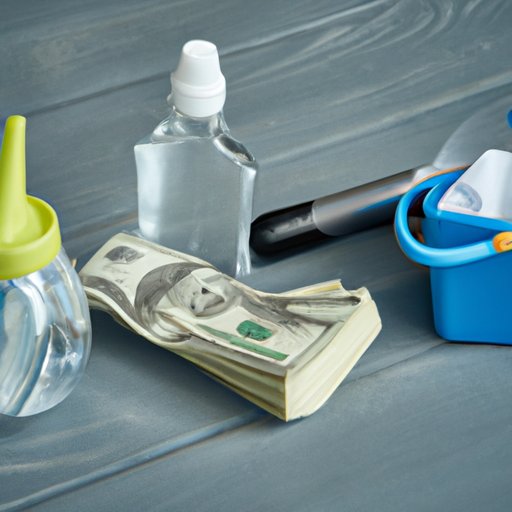
Before starting your cleaning business, it’s important to estimate the costs of supplies and equipment. According to the U.S. Small Business Administration, the average cost of starting a cleaning business is between $700 and $5,000, depending on the size of the business. To get a better idea of the costs associated with starting a cleaning business, consider the following:
Estimate the costs for cleaning supplies and equipment
The costs of cleaning supplies and equipment vary depending on the type of cleaning services you offer. If you plan to offer residential services, you will need basic cleaning supplies such as vacuums, mops, brooms, dusters, and other tools. If you plan to offer commercial services, you may need more specialized equipment such as power washers, steam cleaners, and floor buffers. Additionally, you will need to purchase cleaning solutions and other products that are specific to the types of services you offer.
Consider insurance and licensing costs
In addition to the cost of supplies and equipment, you will need to factor in insurance and licensing costs. Depending on the state you live in, you may need to obtain a business license or other permits in order to operate legally. Additionally, you will need to purchase liability insurance in order to protect yourself and your business from potential lawsuits. The cost of insurance and licensing varies depending on the state and type of business, so it’s important to research what’s required in your area.
Determine the cost of renting or buying a facility
If you plan to offer both residential and commercial services, you may need to rent or buy a facility in order to store your supplies and equipment. The cost of renting or buying a facility will depend on the location and size of the space. Additionally, if you plan to employ staff, you will need to factor in the cost of wages and other employee benefits.
Outline the Necessary Equipment for a Cleaning Business
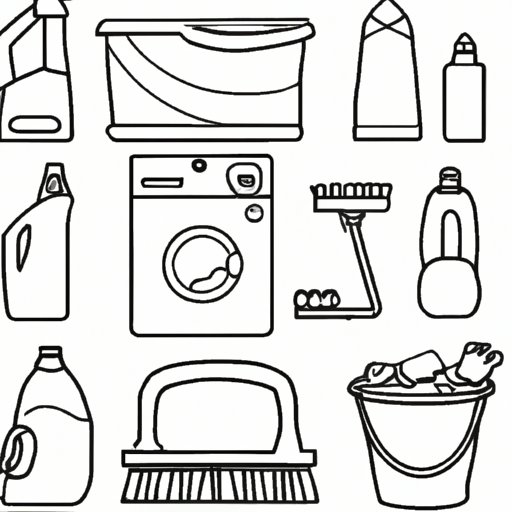
Once you have an estimate of the start-up costs, it’s time to outline the equipment you will need in order to provide your services. The type of equipment you need will depend on the types of services you plan to offer. Here is a list of some of the most common equipment used in cleaning businesses:
Vacuums
Vacuums are an essential piece of equipment for any cleaning business. Vacuums come in a variety of styles and sizes, so it’s important to choose one that is suited for the type of services you plan to offer. For example, if you plan to offer carpet cleaning services, you will need a larger, more powerful vacuum.
Mops, brooms, dusters, and other tools
In addition to vacuums, you will need other tools such as mops, brooms, dusters, and scrub brushes. These tools are essential for cleaning hard surfaces such as floors, walls, and countertops. You can purchase these tools at most home improvement stores or online.
Cleaning solutions
Cleaning solutions are also essential for any cleaning business. You will need a variety of cleaning solutions in order to effectively clean different surfaces and materials. Some of the most common cleaning solutions include all-purpose cleaner, glass cleaner, disinfectant, and carpet cleaner.
Consider the Different Types of Cleaning Services You Can Offer
Once you have the necessary equipment, it’s time to decide which types of services you plan to offer. There are three main types of cleaning services: residential, commercial, and specialty services. Here is a brief overview of each type of service:
Residential services
Residential services involve cleaning homes and apartments. These services typically include vacuuming, dusting, mopping, and cleaning bathrooms and kitchens. Residential services are often provided on a weekly or bi-weekly basis.
Commercial services
Commercial services involve cleaning offices, stores, restaurants, and other businesses. These services typically include deep cleaning, power washing, window washing, and floor buffing. Commercial services are often provided on a daily or weekly basis.
Specialty services
Specialty services involve cleaning carpets, upholstery, draperies, and other fabrics. Specialty services are often provided on an as-needed basis.

Develop a Business Plan for Your Cleaning Business
A business plan is an essential document for any business, regardless of industry. It outlines the goals and objectives of the company and provides a roadmap for success. When developing your business plan, consider the following:
Create a mission statement
Your mission statement should reflect your values and purpose. It should explain why your business exists and what sets it apart from competitors. A mission statement should clearly communicate your vision and provide direction for your business.
Identify your target market
It’s important to identify who your target customers are and what types of services they need. Research the local market and identify areas where there is a need for cleaning services. This will help you focus your marketing efforts and ensure that you are reaching the right people.
Develop a marketing plan
Once you have identified your target market, it’s time to develop a marketing plan. Consider how you will reach your target customers and what methods you will use to promote your services. Your marketing plan should include strategies for both online and offline promotion.
Set Prices for Your Cleaning Services
Once you have developed your business plan, it’s time to set prices for your services. Setting competitive prices is essential for attracting customers and ensuring profitability. Here are some tips for setting prices for your cleaning services:
Research pricing in the area
Research the prices of other cleaning services in the area. This will give you a better idea of what prices are reasonable and competitive. Additionally, consider any additional costs that may be associated with your services such as travel fees or extra charges for specialty services.
Consider overhead costs
In addition to researching prices in the area, you should also consider your overhead costs. Calculate the cost of supplies and equipment, insurance, and other expenses to determine how much you need to charge in order to break even. This will help you set a price that is fair for both you and your customers.
Set competitive prices
Once you have calculated your overhead costs and researched the pricing in the area, you can set competitive prices for your services. Make sure you are offering value to your customers and charging prices that are fair and reasonable.
Conclusion
Starting a cleaning business can be a great way to make money while helping people keep their homes and businesses neat and tidy. In order to succeed, it’s important to do your research and understand the start-up costs and necessary equipment. Additionally, it’s important to create a business plan and set competitive prices for your services. With the right planning and preparation, you can start a successful cleaning business.
(Note: Is this article not meeting your expectations? Do you have knowledge or insights to share? Unlock new opportunities and expand your reach by joining our authors team. Click Registration to join us and share your expertise with our readers.)