
Introduction
Protein is an essential macronutrient that helps build and repair muscle tissue. For those looking to increase their muscle mass, getting an adequate amount of protein is essential. But how much protein should you be consuming if you want to gain muscle? This article will provide a comprehensive guide to help you determine the optimal amount of protein for muscle building.
Overview of the Recommended Protein Intake for Muscle Building
The recommended daily allowance (RDA) of protein for adults is 0.8 grams per kilogram of body weight. That equates to about 56 grams of protein per day for the average sedentary man and 46 grams per day for the average sedentary woman. However, if you’re trying to build muscle, you’ll need more than the RDA.
According to the American College of Sports Medicine, athletes should aim to get 1.2 to 2.0 grams of protein per kilogram of body weight per day. For example, a 180-pound man would need about 109 to 182 grams of protein per day. A 140-pound woman would need about 86 to 145 grams of protein per day.
Examining Different Types of Protein Sources and How Much to Consume
When it comes to getting enough protein for muscle building, there are many different sources to choose from. Here’s a look at three of the most popular options: animal proteins, plant-based proteins, and protein supplements.
Animal Proteins
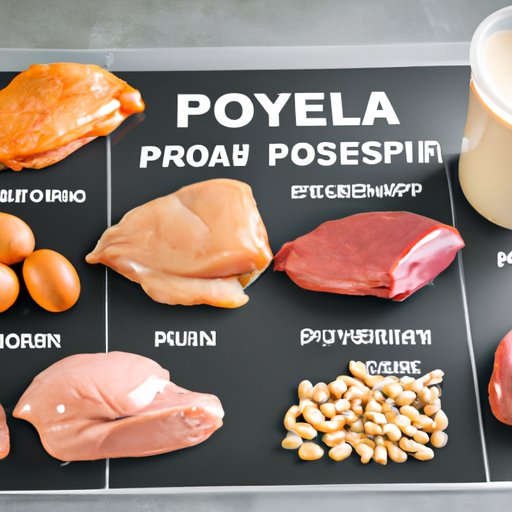
Animal proteins like eggs, dairy products, meat, poultry, and fish are some of the best sources of protein for muscle building. They are complete proteins, meaning they contain all nine essential amino acids. Animal proteins are also typically high in other important nutrients such as iron, zinc, and B vitamins.
The amount of protein you should consume from animal sources will depend on your overall protein needs. Generally speaking, it’s best to focus on lean proteins like chicken, turkey, fish, and low-fat dairy products. Try to get 3 to 6 ounces of animal protein at each meal.
Plant-Based Proteins
Plant-based proteins like beans, legumes, nuts, and seeds are great sources of protein for vegans and vegetarians. They’re also lower in saturated fat and cholesterol than animal proteins. While plant-based proteins are not complete proteins, they can still provide the essential amino acids needed for muscle growth when consumed in combination with other plant-based proteins.
In general, it’s best to get at least 25 to 30 grams of plant-based protein at each meal. Examples of plant-based proteins include lentils, quinoa, tempeh, almond butter, and edamame.
Protein Supplements
Protein supplements like whey, casein, and plant-based protein powders are convenient and easy ways to get extra protein. They can be added to smoothies, shakes, or even cooked into meals. Keep in mind that protein supplements are not necessary for muscle building. However, they can be helpful for meeting your daily protein needs.
When choosing a protein supplement, look for one that contains at least 20 grams of protein per serving. Aim to get no more than 40 grams of protein from supplements each day.
The Benefits of Eating Protein for Muscle Growth
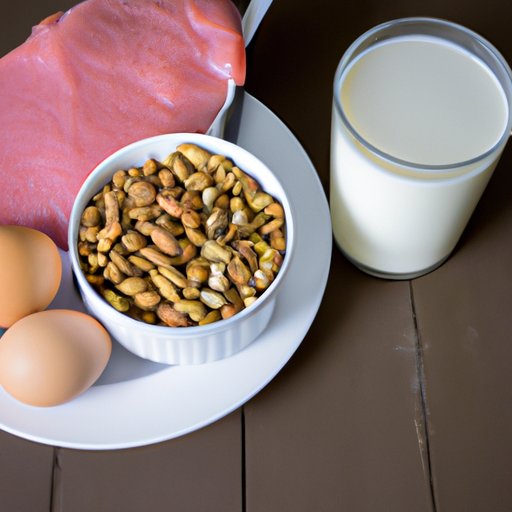
Eating enough protein is essential for muscle growth. Research shows that consuming protein helps increase strength, improve muscle mass, and reduce the risk of injury.
Improved Strength
A study published in the Journal of Nutrition found that consuming protein before and after resistance exercise can help improve strength. The researchers concluded that “consumption of protein before and after exercise promotes greater gains in strength compared with consumption before or after exercise alone.”
Increased Muscle Mass
A study published in the American Journal of Clinical Nutrition found that consuming protein before and after resistance exercise can help increase muscle mass. The researchers concluded that “dietary protein supplementation before and after exercise training enhances the adaptive response of skeletal muscle to the training stimulus.”
Reduced Risk of Injury
Consuming enough protein can also help reduce the risk of injury. A study published in the Journal of Applied Physiology found that consuming protein before and after exercise can help reduce inflammation and oxidative stress, which can lead to injury. The researchers concluded that “protein supplementation before and after exercise can attenuate inflammation and oxidative stress responses to exercise.”
A Guide to Calculating Your Ideal Daily Protein Intake
Now that you know the benefits of eating protein for muscle growth, it’s time to figure out how much protein you should be consuming. There are two main ways to calculate your ideal daily protein intake: estimating protein needs based on body weight and calculating protein needs based on activity level.
Estimating Protein Needs Based on Body Weight
To estimate your protein needs based on body weight, multiply your weight in pounds by 0.36. For example, if you weigh 180 pounds, you would need about 65 grams of protein per day. If you weigh 140 pounds, you would need about 50 grams of protein per day.
Calculating Protein Needs Based on Activity Level
If you’re very active, you may need more protein than someone who is sedentary. To calculate your protein needs based on activity level, multiply your weight in pounds by 0.54 to 0.72. For example, if you weigh 180 pounds and are moderately active, you would need about 108 grams of protein per day. If you weigh 140 pounds and are highly active, you would need about 101 grams of protein per day.
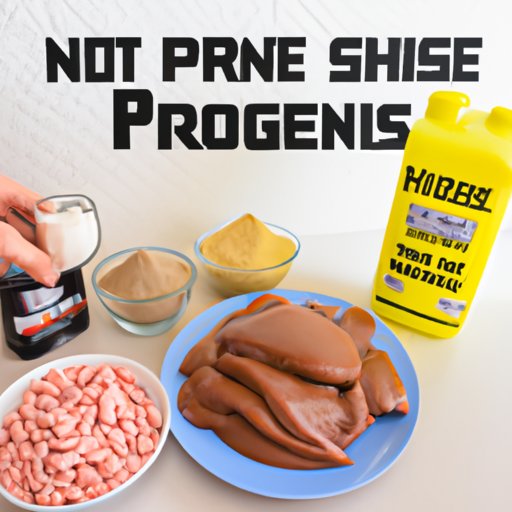
Tips for Incorporating Protein into Your Diet for Maximum Muscle Gain
Once you know how much protein you should be consuming, it’s time to start incorporating it into your diet. Here are some tips for getting the most out of your protein intake for muscle building:
Eating Protein at Every Meal
Make sure you’re getting enough protein at every meal. Try to get at least 25 to 30 grams of protein at breakfast, lunch, and dinner. You can also add protein snacks throughout the day to reach your daily protein goals.
Planning Ahead for Protein Snacks
Planning ahead for protein snacks is key to reaching your daily protein goals. Have a few healthy snacks on hand that are high in protein, such as Greek yogurt, hard-boiled eggs, nut butters, and protein bars. This will make it easier to stick to your goals.
Drinking Protein Shakes
Protein shakes are an easy and convenient way to get extra protein. They can be made with either whey or plant-based protein powders. Just be sure to watch your portion size, as drinking too much protein can cause digestive issues.
Meal Planning Strategies to Ensure You Get Enough Protein
Meal planning is another great way to make sure you’re getting enough protein. Here are some strategies to help you plan meals that are high in protein:
Making a Weekly Meal Plan
Start by making a weekly meal plan that includes protein-rich foods. Make a list of meals you can prepare ahead of time and snacks you can have on hand. This will help you stay on track and ensure you’re getting enough protein each day.
Prepping Meals in Advance
Preparing meals in advance can also help you stay on track. Cook a few meals on the weekend that you can eat throughout the week. This will make it easier to stick to your meal plan and reach your protein goals.
Common Mistakes to Avoid When Trying to Increase Protein Intake for Muscle Building
There are a few common mistakes to avoid when trying to increase your protein intake for muscle building. Here are three of the most common mistakes to avoid:
Eating Too Much Protein
It’s possible to eat too much protein, which can lead to digestive issues and kidney problems. Be sure to watch your portion sizes and stick to the recommended daily intake of protein for muscle building.
Not Eating Enough Protein
Not eating enough protein can also be detrimental to muscle growth. Be sure to get at least 1.2 to 2.0 grams of protein per kilogram of body weight per day to maximize muscle growth.
Eating Protein at the Wrong Time
Timing is also important when it comes to protein intake. Studies show that consuming protein before and after exercise can help maximize muscle growth. Try to get at least 20 to 40 grams of protein within two hours before and/or after exercise.
Conclusion
Consuming enough protein is essential for muscle building. The recommended daily intake of protein for muscle building is 1.2 to 2.0 grams of protein per kilogram of body weight per day. There are many different sources of protein to choose from, including animal proteins, plant-based proteins, and protein supplements. Eating protein has many benefits, including improved strength, increased muscle mass, and reduced risk of injury. To make sure you’re getting enough protein, it’s important to plan ahead and make sure you’re eating protein at every meal. Lastly, be sure to avoid common mistakes like eating too much protein, not eating enough protein, and eating protein at the wrong time. With the right approach, you can ensure you’re getting enough protein to maximize your muscle growth.
(Note: Is this article not meeting your expectations? Do you have knowledge or insights to share? Unlock new opportunities and expand your reach by joining our authors team. Click Registration to join us and share your expertise with our readers.)