

Introduction
Organ meats such as liver have been enjoyed for centuries around the world. In recent years, there has been a renewed interest in incorporating these nutrient-dense foods into the weekly diet. Eating liver is known to provide a range of health benefits, but it is important to understand the recommended amounts and potential risks associated with eating too much.
This article explores how much liver to eat weekly, including the health benefits, the risks of consuming too much, and some alternatives to consider.
Health Benefits of Eating Liver Weekly
Liver is considered one of the most nutrient-dense foods on the planet. It is an excellent source of high-quality protein, vitamins A, D, E, K, and B12, as well as minerals such as iron, selenium, and zinc. According to Dr. Caroline Leaf, “The liver is packed full of vitamins, minerals, and essential fatty acids. It is also a great source of choline, which helps to support memory, mood, muscle control and other brain functions” (DrLeaf.com).
Consuming liver regularly can help to ensure adequate intake of these key nutrients and promote overall health. In particular, liver is an important source of vitamin A, which is necessary for healthy vision and immunity. Vitamin B12, found in high concentrations in liver, is essential for energy production, red blood cell formation, and neurological function.
How Much Liver Should You Eat Each Week?
Most nutrition experts agree that consuming 1–2 servings of liver per week is enough to reap the health benefits without increasing your risk of adverse effects. According to the American Pregnancy Association, “One serving of beef, pork, or chicken liver contains approximately 10,000–20,000 IU of vitamin A, which is twice the daily recommended allowance for pregnant women” (AmericanPregnancy.org).
It is important to note that while liver is an excellent source of many essential nutrients, it also contains high levels of cholesterol and saturated fat. Consuming too much liver on a regular basis can increase your risk of developing heart disease, so it is important to be aware of your total intake of cholesterol and saturated fat.
How to Prepare Liver for Maximum Nutrition
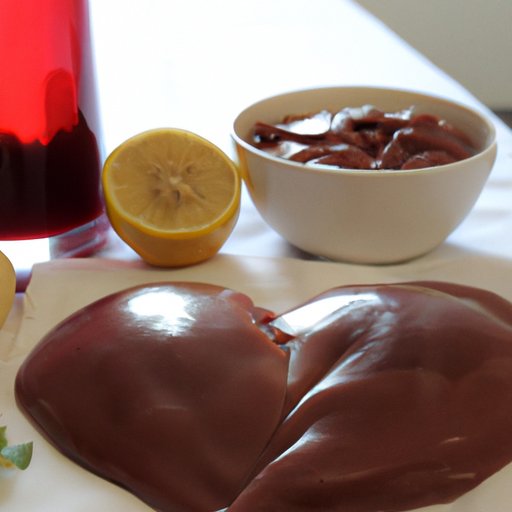
When preparing liver, it is important to cook it properly in order to maximize its nutritional value. The best cooking methods are baking, broiling, or lightly sautéing in olive oil. Avoid deep frying or overcooking, as this will reduce the amount of nutrients present in the liver. Additionally, adding herbs and spices can help to enhance the flavor of the liver and make it more enjoyable to eat.
What Foods Provide the Same Nutrients as Liver?
If you are unable or unwilling to eat liver on a regular basis, there are other food sources that can provide the same essential nutrients. Vitamin A can be found in carrots, sweet potatoes, spinach, kale, and squash. Vitamin B12 is found in eggs, cheese, yogurt, and fortified cereals. Iron is plentiful in lean red meat, salmon, shrimp, spinach, and legumes. Finally, selenium and zinc can be obtained from seafood, nuts, seeds, and whole grains.
Conclusion
Eating liver on a weekly basis can provide numerous health benefits, including improved energy levels, enhanced cognitive function, and increased immunity. However, it is important to understand the recommended amounts and potential risks associated with consuming too much liver. Cooking liver properly and using herbs and spices can help to make it more palatable, while still preserving its nutritional value.
For those who cannot or do not wish to eat liver weekly, there are other food sources that can provide the same essential nutrients. By incorporating these alternative sources into your diet, you can still enjoy the many benefits of eating liver without having to consume it weekly.
(Note: Is this article not meeting your expectations? Do you have knowledge or insights to share? Unlock new opportunities and expand your reach by joining our authors team. Click Registration to join us and share your expertise with our readers.)