

Introduction
Health insurance is an important part of protecting your health and financial security. For individuals, navigating the world of health insurance can be overwhelming. This article will provide a comprehensive guide to understanding health insurance costs for one person, explaining the various factors that impact premiums, the different types of plans available, and tips for comparing policies.
A Comprehensive Guide to Health Insurance Costs for One Person
When it comes to health insurance, one size does not fit all. The cost of health insurance for a single person varies depending on factors such as age, location, and type of plan. Here’s a look at what you need to know about the cost of health insurance for one person.
How Much Does Health Insurance Cost for a Single Person?
The cost of health insurance for a single person depends on a variety of factors. According to a survey by eHealth, the average monthly premium for individual health insurance plans was $440 in 2020. However, this number can vary significantly depending on the type of plan and where you live.
What Are the Average Costs of Health Insurance for an Individual?
The cost of health insurance for an individual also depends on the type of plan you choose. Traditional health insurance plans typically have higher monthly premiums but lower out-of-pocket costs. High deductible health plans (HDHPs) have lower monthly premiums but require you to pay more out of pocket before your insurance kicks in. Health savings account (HSA) plans are similar to HDHPs but allow you to put pre-tax money into an account to help cover medical expenses.
What Factors Impact Health Insurance Premiums for Individuals?
In addition to the type of plan you choose, several other factors can affect the cost of health insurance for a single person. These include age, gender, location, lifestyle choices, and whether or not you use tobacco. Age is a particularly important factor, as older people tend to have higher health insurance premiums than younger people. Additionally, health insurance rates vary from state to state and even from county to county.

The Benefits of Having Health Insurance as an Individual
Having health insurance is an important part of taking care of your health. It’s also important for financial security, as it can help protect you from unexpected medical bills. Here are some of the key benefits of having health insurance as an individual.
Access to Quality Medical Care
Having health insurance gives you access to quality medical care. With health insurance, you can visit doctors and specialists without worrying about the cost. You can also get preventive care, such as check-ups, screenings, and immunizations, which can help you stay healthy and catch any potential health problems early.
Financial Security
Health insurance can help protect you from unexpected medical bills. If you have a health insurance plan, you won’t have to worry about covering the full cost of medical treatments. Instead, your insurance will cover some or all of the costs, depending on the type of plan you have.
Peace of Mind
Having health insurance can give you peace of mind knowing that you have protection against unexpected medical bills. This can be especially important if you have a chronic condition that requires ongoing treatment. With health insurance, you can focus on getting the care you need without worrying about the cost.

Exploring Different Types of Health Insurance for Single People
There are several different types of health insurance plans available for single people. Here’s a look at four of the most common types.
Traditional Health Insurance Plans
Traditional health insurance plans are the most common type of health insurance. These plans typically have higher monthly premiums but lower out-of-pocket costs. They typically cover a wide range of services, including doctor visits, hospital stays, prescription drugs, and preventive care.
High Deductible Health Plans (HDHPs)
High deductible health plans (HDHPs) have lower monthly premiums than traditional plans but require you to pay more out of pocket before your insurance kicks in. These plans typically cover preventive care, doctor visits, hospital stays, and prescription drugs, but you may have to pay the full cost of services until you meet your deductible.
Health Savings Account (HSA) Plans
Health savings account (HSA) plans are similar to HDHPs but allow you to put pre-tax money into an account to help cover medical expenses. These plans typically have lower monthly premiums and higher deductibles. The money in your HSA can be used to cover qualified medical expenses, such as doctor visits, hospital stays, and prescriptions.
Short-Term Health Insurance Plans
Short-term health insurance plans are intended to provide temporary coverage for people between jobs or waiting for other coverage to start. These plans typically have lower premiums but offer limited coverage and may not cover pre-existing conditions. They also typically don’t cover preventive care, so they may not be the best option for those looking for long-term coverage.
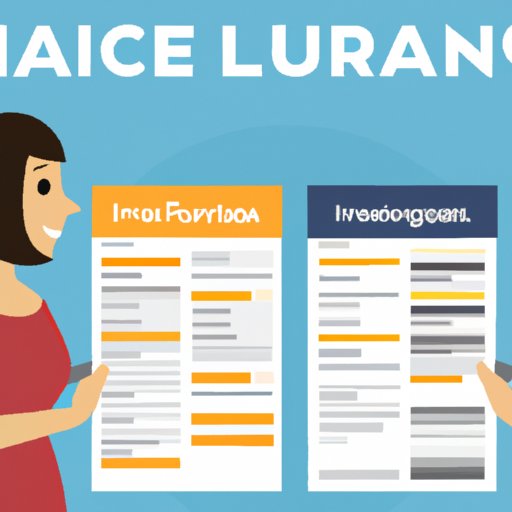
Comparing Health Insurance Plans for One Person
When it comes to choosing a health insurance plan, there are several factors to consider. Here are some tips for comparing health insurance plans for one person.
Identifying Coverage Needs
The first step in comparing health insurance plans is to identify your coverage needs. Consider your current health, any pre-existing conditions you may have, and the types of services you’re likely to need. This will help you narrow down your options and find the right plan for your needs.
Comparing Cost and Benefits
Once you’ve identified your coverage needs, you can compare the cost and benefits of different plans. Consider the monthly premiums, deductibles, and copays for each plan, as well as the types of services covered and any additional benefits, such as dental or vision coverage.
Reviewing Additional Services
Finally, you should review any additional services offered by the plan. Some plans may offer discounts on gym memberships or other wellness services, while others may include access to telemedicine or a nurse hotline. These additional services can be helpful in managing your health and keeping your costs down.
Conclusion
Health insurance is an important part of taking care of your health and financial security. For single people, understanding the cost of health insurance and the different types of plans available is essential. This article provided an in-depth look at the cost of health insurance for one person, including factors that influence premiums and the different types of plans available. By considering your coverage needs, comparing costs and benefits, and reviewing additional services, you can find the right health insurance plan for your needs.
(Note: Is this article not meeting your expectations? Do you have knowledge or insights to share? Unlock new opportunities and expand your reach by joining our authors team. Click Registration to join us and share your expertise with our readers.)