

Introduction
A new well is an expensive investment, so it’s important to understand what goes into the cost before making a decision. The process of drilling a well involves many components, from permits and licensing to supplies and construction. In this article, we’ll explore the cost of a new well and discuss the factors that affect the price. We’ll also provide tips for budgeting for a new well and highlight the advantages of investing in quality equipment.
Exploring the Cost of a New Well: An Overview
The cost of a new well depends on several factors, including the type of well being drilled, the depth of the well, and the materials used. The geographical location of the well also plays a role in the cost, as some areas may require additional permits or have higher labor costs. Additionally, the price of the pump and well supplies should be taken into account when estimating the overall cost.
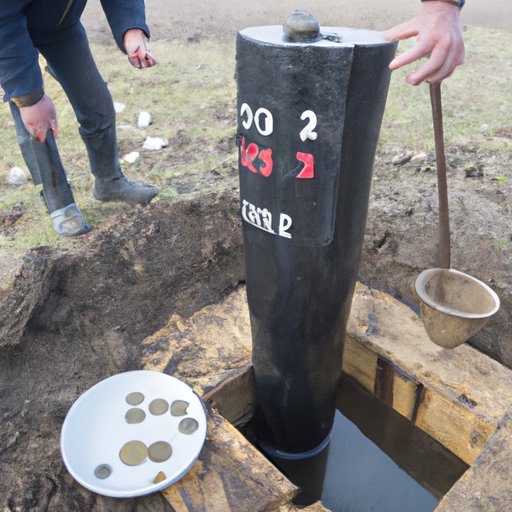
The Cost of Installing a New Well: Breaking Down the Expenses
When you need to drill a new well, there are several expenses to consider. Here is a breakdown of the most common costs associated with the installation of a new well:
Drilling and Construction Costs
Drilling and construction costs vary depending on the area and size of the well. Typically, the average cost for drilling a new well ranges from $15 to $30 per foot, with deeper wells requiring more time and labor. Other construction costs can include trenching and excavation, which can add up to several thousand dollars depending on the size of the job.
Pump and Well Supplies
The cost of the pump and well supplies will also factor into the total cost of a new well. The type of pump chosen can range in price from a few hundred dollars to several thousand depending on the size and capacity of the pump. Other supplies such as pipes, fittings, valves, and wiring can add up quickly, so be sure to factor these costs into your budget.
Permits and Licensing
In some areas, you may need to obtain permits and/or licensing before drilling a new well. The cost of these permits can range from a few hundred dollars to several thousand depending on the municipality. Be sure to check with your local authorities to find out what permits and licenses are required for your area.
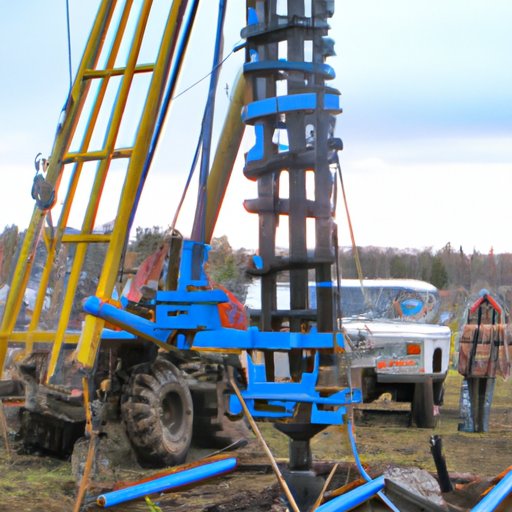
What to Expect When You Need to Drill a New Well
Before you begin the process of drilling a new well, it’s important to understand the types of wells available and the factors that will affect the cost of the project. Here are some things to keep in mind:
Types of Wells
There are three main types of wells: dug wells, drilled wells, and driven wells. Dug wells are the least expensive option and involve digging a hole in the ground by hand. Drilled wells are more complex and require a professional to use specialized machinery to bore a hole in the ground. Driven wells are typically the most expensive option and involve driving steel pipe into the ground using large machinery.
Determining Well Depth
The depth of the well will have an impact on the cost of the project. The deeper the well, the more expensive it will be to drill and construct. It’s important to determine the depth of the well before beginning the project to get an accurate estimate of the total cost.
Estimating Total Time for Installation
The amount of time needed to complete the project will depend on the complexity of the well and the size of the crew. On average, the entire process of drilling a new well can take anywhere from one day to several weeks depending on the size of the job.
Budgeting for a New Well: How Much Money Will You Need?
When budgeting for a new well, there are several factors to consider. Here are a few key points to keep in mind:
Initial Investment
The initial investment for a new well can range anywhere from a few thousand dollars to tens of thousands, depending on the size and complexity of the project. Make sure to factor in all costs, including drilling and construction, permits and licensing, and supplies, to get an accurate estimate of the total cost.
Long-Term Maintenance Costs
Once the well is installed, there will be ongoing maintenance costs associated with the upkeep of the well. These costs can include regular inspections and repairs, as well as purchasing supplies such as pumps and filters. Be sure to factor these costs into your budget to get a clear picture of the total cost of owning a new well.
Other Financial Considerations
It’s also important to consider other financial factors when budgeting for a new well. For example, the cost of energy to power the pump can be significant, so it’s important to research the cost of electricity in your area before making a decision. Additionally, some areas may offer tax credits or other incentives for investing in a new well, so be sure to check with your local government for more information.
How to Calculate the Cost of a New Well
To get an accurate estimate of the total cost of a new well, you’ll need to calculate the cost per gallon. To do this, you’ll need to add up all of the expenses associated with the project and divide the total by the estimated number of gallons the well will produce. This will give you a good idea of the total cost per gallon of water produced.
Comparing Prices of New Wells: Is It Worth the Investment?
Investing in a new well can be a big decision, so it’s important to do your research and compare prices. Here are some advantages of investing in quality equipment:
Advantages of Investing in Quality Equipment
Investing in quality equipment can save you money in the long run. High-quality pumps and supplies can last longer and require less maintenance over time, resulting in fewer repair costs. Additionally, high-quality equipment is more efficient and can save you money on your energy bill.
Benefits of Shopping Around
Comparing prices is essential when budgeting for a new well. Be sure to shop around and compare quotes from different suppliers to get the best deal. Additionally, it’s important to understand the warranties offered by each supplier and make sure you are getting the best value for your money.

Navigating the Costs of a New Well: What You Need to Know
Understanding the costs associated with a new well can help you make an informed decision. Here are a few tips to keep in mind when navigating the process:
Researching Local Regulations
Before you begin the process of drilling a new well, it’s important to research the regulations in your area. Some areas may require additional permits or have specific restrictions on the type of well that can be drilled. Be sure to check with your local authorities to find out what is required for your area.
Working with Professional Installers
It’s important to work with experienced professionals when drilling a new well. Professional installers can provide valuable insight and guidance throughout the process, as well as help ensure that the job is done correctly and safely. Be sure to ask for references and check reviews before hiring a professional.
Understanding Warranties
Most suppliers offer warranties on their products, so it’s important to understand what is covered. Make sure to read the fine print and ask questions to ensure that you are getting the best coverage for your money.
Conclusion
Drilling a new well can be a major investment, so it’s important to understand the costs associated with the process. In this article, we explored the various factors that affect the cost of a new well, as well as tips for budgeting and comparing prices. We also discussed the importance of researching local regulations, working with professional installers, and understanding warranties. By taking all of these factors into consideration, you can make an informed decision about the cost of a new well.
Summary of Key Points
• The cost of a new well depends on several factors, including the type of well being drilled, the depth of the well, and the materials used.
• There are three main types of wells: dug wells, drilled wells, and driven wells.
• The initial investment for a new well can range from a few thousand dollars to tens of thousands.
• Long-term maintenance costs and energy costs should also be factored into the budget.
• Researching local regulations and understanding warranties can help ensure a successful project.
Additional Resources
For more information on the cost of a new well, check out these resources:
• National Ground Water Association: https://www.ngwa.org/
• U.S. Environmental Protection Agency: https://www.epa.gov/
• American Ground Water Trust: https://agwt.
(Note: Is this article not meeting your expectations? Do you have knowledge or insights to share? Unlock new opportunities and expand your reach by joining our authors team. Click Registration to join us and share your expertise with our readers.)