
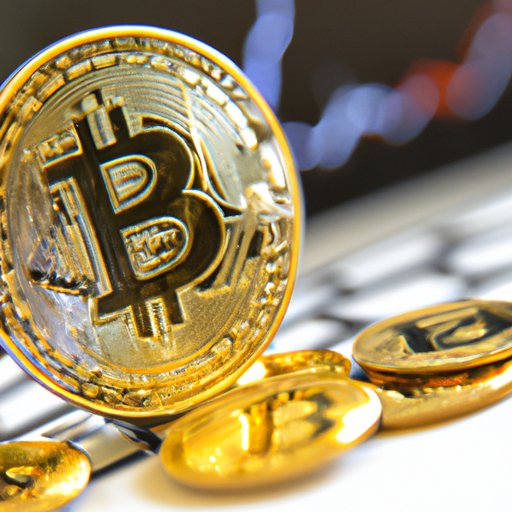
Introduction
The emergence of Bitcoin as an alternative form of digital currency has been one of the most significant financial developments of the past decade. In just over ten years, Bitcoin has gone from being a fringe concept to becoming a global phenomenon, with millions of people buying and selling the cryptocurrency. But what exactly is Bitcoin, and how much is it worth? This article aims to provide a comprehensive overview of these questions, looking at both the history of Bitcoin’s value and the factors that influence its current price.

A Historical Look at Bitcoin Value
Bitcoin was first launched in 2009 by an anonymous individual or group of individuals known as Satoshi Nakamoto. At the time, it had little value, with one Bitcoin worth less than a penny. However, over the next few years, Bitcoin began to gain traction as more people started to recognize its potential. By 2013, the price of one Bitcoin had risen to around $1,000, making it one of the most valuable digital currencies in the world.
Since then, the value of Bitcoin has experienced both highs and lows. In 2017, the price of one Bitcoin skyrocketed to nearly $20,000, only to plummet back down to around $3,000 in 2018. The recent rally in 2020 saw Bitcoin reach a new all-time high of nearly $60,000 in April 2021.

How the Market Influences Bitcoin Value
The value of Bitcoin is primarily determined by the forces of supply and demand. As more people buy into the cryptocurrency, the demand for it increases and the price rises accordingly. Conversely, if fewer people are buying Bitcoin, the demand decreases and the price falls.
Speculation also plays a major role in determining Bitcoin’s value. Since the cryptocurrency is still relatively new and unpredictable, investors often buy and sell Bitcoin based on their own predictions about its future performance. This speculation can cause wild fluctuations in the price of Bitcoin, making it difficult to determine its exact value at any given time.
What Factors Impact the Price of Bitcoin?
In addition to supply and demand and speculative activity, there are several other factors that can affect the price of Bitcoin. These include the regulatory environment, investor sentiment, and media coverage. Governments in different countries have taken varying approaches to regulating Bitcoin, and this can have an impact on the cryptocurrency’s perceived value. Similarly, changes in investor sentiment and media coverage can influence the public’s perception of Bitcoin, which in turn affects the price.
Recent Developments in Bitcoin Technology
In recent years, there have been several technological advancements that have further increased Bitcoin’s value. One such development is the emergence of blockchain technology, which allows for the secure transfer of funds without the need for a central authority. This has opened up new possibilities for using Bitcoin in a variety of applications, from online payments to smart contracts.
Furthermore, new applications are being developed that make it easier to buy and sell Bitcoin. For example, mobile wallets and exchanges allow users to quickly and securely purchase and trade Bitcoin from anywhere in the world.
Exploring Bitcoin’s Volatility
Despite its increasing popularity, Bitcoin remains an extremely volatile asset. Its price can swing wildly within a single day, making it difficult to predict its future performance. To better understand Bitcoin’s volatility, it is important to look at the historical trends in its price movements.
In general, Bitcoin tends to move in long-term cycles, with periods of rapid growth followed by periods of consolidation. These cycles can last anywhere from a few weeks to a few months, and understanding them can help investors mitigate risk when trading Bitcoin.
Analyzing Bitcoin Adoption & Usage
Another factor that can affect Bitcoin’s value is its adoption and usage. As more merchants begin to accept Bitcoin as payment, the demand for it increases and the price goes up. Similarly, as more consumers start to use Bitcoin to make purchases, the demand increases and the price rises.
It is also important to consider the number of active Bitcoin users. As more people begin to use Bitcoin, the greater the potential for its value to increase. Therefore, tracking the number of active users can provide insight into the cryptocurrency’s future potential.
Examining Bitcoin’s Future Potential
The future of Bitcoin is uncertain, but many experts believe that it has the potential to become a widely accepted form of global currency. Bitcoin’s decentralized nature gives it a competitive advantage over other forms of money, allowing it to be used in more places around the world. Additionally, its limited supply makes it an attractive long-term investment for those looking to diversify their portfolios.
Conclusion
The value of Bitcoin is determined by a variety of factors, including the forces of supply and demand, investor sentiment, and media coverage. Recent technological advancements have made it easier to buy and sell Bitcoin, and its increasing adoption and usage have led to its continued growth in value. While Bitcoin remains an incredibly volatile asset, understanding its historical trends and potential future applications can help investors mitigate risk when trading the cryptocurrency.
As the world continues to embrace digital currency, it is clear that Bitcoin will continue to play an important role in the future of finance. With its global reach and potential for long-term investment, the value of Bitcoin is sure to remain an area of intense interest for years to come.
(Note: Is this article not meeting your expectations? Do you have knowledge or insights to share? Unlock new opportunities and expand your reach by joining our authors team. Click Registration to join us and share your expertise with our readers.)