
Introduction
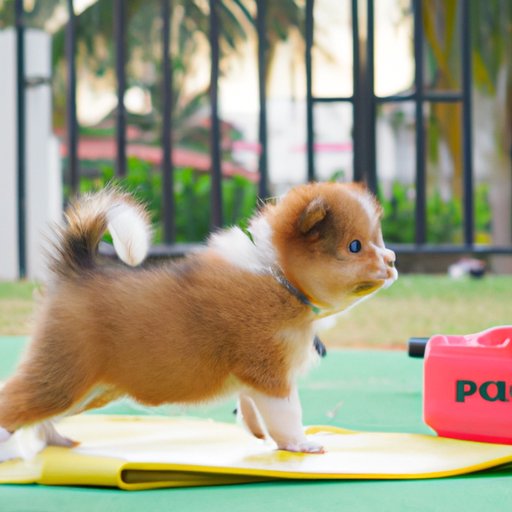
Exercise is an essential part of any pet’s life. For puppies, regular physical activity helps promote healthy development and maintain overall wellness. But how much exercise does a puppy need? This article explores the benefits of exercise, age-based guidelines, different types of activities, and tips for creating an effective exercise plan for your pup.
How Much Exercise is Ideal for Your Puppy?
The amount of exercise a puppy needs depends on their age and size. According to the American Kennel Club (AKC), “Puppies younger than five months old should not be expected to do more than 10 minutes of vigorous exercise per day.” As puppies get older and bigger, they can handle more exercise. The AKC suggests that adult dogs should get at least 30 minutes of moderate to vigorous exercise daily — although some breeds may need more.
It’s important to note that puppies shouldn’t be expected to perform strenuous activities until they reach adulthood. Dr. Mike Paul, DVM, states, “Until the growth plates close, usually between four and nine months of age depending on the breed, excessive running or jumping can cause long-term damage.” Therefore, it’s important to consult with your veterinarian about appropriate exercise for your puppy.

Different Types of Exercise for Puppies
There are many different types of exercise that puppies can enjoy. Some of the most popular activities include:
Leash Walking
Leash walking is one of the most common ways for puppies to get exercise. Not only does this activity provide physical benefits, but it also helps with leash training and socialization. When taking your pup for a walk, make sure to keep them on a short leash and reward positive behaviors. Short, frequent walks of no more than 10 minutes per outing are ideal for puppies.
Swimming
Swimming is another great way for puppies to get exercise. It’s low impact, so it won’t strain growing muscles, and it’s an excellent form of cardiovascular exercise. If you have access to a pool or lake, swimming can be a fun and beneficial activity for your pup. However, it’s important to closely supervise your puppy while they’re in the water.
Agility Training
Agility training can be a great way to give your puppy exercise and mental stimulation. It involves teaching your pup to jump over obstacles, weave through poles, and run through tunnels. This type of activity is best suited for older puppies who are over six months of age.
Playing Fetch
Playing fetch is a fun and easy way to give your puppy exercise. All you need is a ball or toy and a safe open space. Playing fetch encourages your pup to use their natural instinct to chase things and will help them release excess energy. Just be sure to limit playtime to 10-15 minutes per session.
Mental Exercise
Mental exercise is just as important as physical exercise for puppies. Mental stimulation helps keep your pup’s mind active and can help prevent boredom. Puzzle toys, hide-and-seek, and obedience training are all great ways to give your pup mental exercise.
Tips for Creating an Exercise Plan for Your Puppy
Creating an exercise plan for your puppy is an important step in ensuring their physical and mental wellbeing. Here are some tips to help you get started:
Selecting an Appropriate Exercise Type
When selecting an exercise type for your puppy, it’s important to consider their age and size. Smaller breeds may not be able to handle high-impact activities, such as running and jumping, until they reach adulthood. Make sure to select an activity that’s appropriate for your pup’s developmental stage.
Setting a Reasonable Schedule
Puppies need regular exercise to stay healthy and happy, but too much exercise can be detrimental. It’s important to set a reasonable schedule that takes into account your pup’s age and size. For puppies, one or two 10-minute sessions of exercise per day is usually sufficient.
Ensuring Adequate Rest
Adequate rest is essential for puppies. After an exercise session, make sure to give your pup a chance to cool down and recuperate. You can also provide them with plenty of fresh water and a comfortable place to sleep.

Health Benefits of Exercise for Puppies
Exercise offers numerous health benefits for puppies. Regular physical activity helps keep muscles and joints strong, maintains a healthy weight, and reduces stress and anxiety. Additionally, exercise can help improve your pup’s behavior by providing an outlet for their energy.
According to Dr. Sophia Yin, DVM, MS, “Regular physical activity helps puppies learn self-control and builds confidence.” In addition, exercise can help puppies develop their coordination and balance, as well as stimulate their senses.

Risks Associated with Too Much Exercise for Puppies
Although exercise is essential for puppies, too much exercise can be detrimental. Overworking muscles can lead to fatigue and soreness, which can interfere with normal activities. Additionally, over-exercising can put strain on developing bones and joints, leading to potential injury.
Dr. Yin warns, “Young puppies should never be over-exercised, because it can lead to joint problems.” To avoid putting your pup at risk, it’s important to follow age-based guidelines and consult with your veterinarian about appropriate exercise for your puppy.
Conclusion
Exercise is an important part of any pet’s life. For puppies, regular physical activity helps promote healthy development and maintain overall wellbeing. How much exercise a puppy needs depends on their age and size, but generally speaking, puppies should get no more than 10 minutes of vigorous exercise per day. There are many different types of exercise that puppies can enjoy, such as leash walking, swimming, agility training, playing fetch, and mental exercise. When creating an exercise plan for your pup, it’s important to select an appropriate activity, set a reasonable schedule, and ensure adequate rest. Exercise offers numerous health benefits for puppies, including improved physical health and enhanced mental and emotional wellbeing. However, it’s important to take precautions to avoid over-exercising your pup, as this can lead to potential injury.
(Note: Is this article not meeting your expectations? Do you have knowledge or insights to share? Unlock new opportunities and expand your reach by joining our authors team. Click Registration to join us and share your expertise with our readers.)