
Introduction
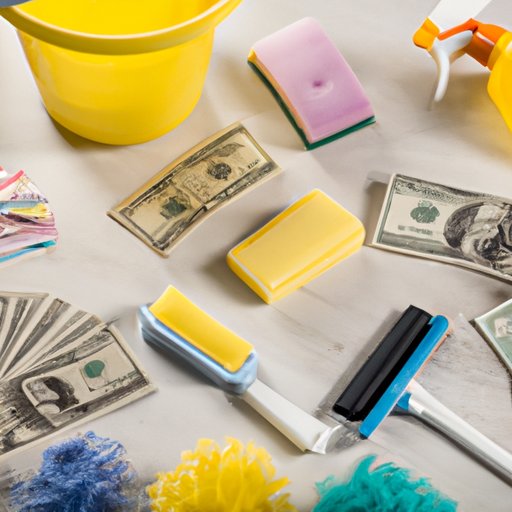
A cleaning business is a service-based industry that involves providing cleaning services to clients in their homes or businesses. They may offer services such as carpet cleaning, window washing, floor waxing, and more. Starting a cleaning business can be a lucrative venture, but it’s important to understand the cost of starting one before you get started.
Analyzing the Cost of Starting a Cleaning Business
When it comes to starting a cleaning business, you’ll need to consider the costs associated with both start-up and ongoing costs. Start-up costs include things like equipment, supplies, insurance, licenses, and advertising. Labor costs include employee wages, benefits, and training. You’ll also need to factor in the cost of supplies and labor for ongoing operations.
A Comprehensive Guide to the Cost of Starting a Cleaning Business
Start-up Costs
The start-up costs for a cleaning business will vary depending on the type of services you plan to offer. Here are some of the most common start-up costs:
Equipment
You’ll need to invest in cleaning equipment such as vacuums, mops, buckets, and other cleaning supplies. The cost of these items will depend on the type of services you plan to offer. For example, if you plan to offer carpet cleaning services, you’ll need to invest in a carpet cleaner, which can cost anywhere from $200 to $2000.
Supplies
You’ll also need to purchase cleaning supplies such as detergents, disinfectants, sponges, cloths, and more. The cost of these supplies will vary depending on the type of services you plan to offer. For example, if you plan to offer window cleaning services, you’ll need to invest in window cleaning solutions, squeegees, and other tools.
Insurance
You’ll need to purchase liability insurance to protect yourself and your business. This insurance will cover any damages that occur while cleaning a client’s home or business. The cost of liability insurance will vary depending on the size of your business and the type of services you offer.
Licenses
You’ll need to obtain any necessary licenses or permits to operate a cleaning business. These licenses and permits will vary depending on where you live. For example, in some states, you may need to obtain a contractor’s license if you plan to hire employees or subcontractors.
Advertising
You’ll need to invest in marketing and advertising to promote your business. This can include print ads, radio spots, TV commercials, brochures, flyers, and more. The cost of advertising will vary depending on the type of advertising you choose to use.
Labor Costs
You’ll need to factor in labor costs when estimating the cost of starting a cleaning business. Labor costs include employee wages, benefits, and training. If you plan to hire employees, you’ll need to pay them an hourly wage, provide them with benefits, and train them on proper cleaning techniques.
Employee Wages
The cost of employee wages will depend on the number of employees you plan to hire and the type of services they will be performing. For example, if you plan to hire window cleaners, you’ll need to pay them an hourly rate for their services.
Benefits
You’ll need to provide your employees with benefits such as health insurance, paid time off, and more. The cost of these benefits will vary depending on the type of benefits you provide and the number of employees you have.
Training
You’ll need to invest in training your employees on proper cleaning techniques and safety protocols. The cost of this training will depend on the type of services you offer and the number of employees you hire.
What Are the Start-up Costs for a Cleaning Business?
The start-up costs for a cleaning business will vary depending on the type of services you plan to offer. Generally speaking, you’ll need to invest in equipment, supplies, insurance, licenses, and advertising. You’ll also need to factor in the cost of labor for employees or subcontractors.

Estimating the Cost of Starting a Cleaning Business
Once you’ve identified the start-up costs for your cleaning business, you’ll need to create a detailed budget. This budget should include all of the start-up costs as well as ongoing costs such as supplies and labor. It’s important to account for all of the costs associated with running a cleaning business in order to ensure that you don’t go over budget.
Breakdown of Costs
Here’s a breakdown of the typical start-up costs for a cleaning business:
- Equipment – $200 to $2000
- Supplies – $50 to $500
- Insurance – $500 to $1000
- Licenses – Varies by state
- Advertising – Varies
- Employee wages – Varies
- Benefits – Varies
- Training – Varies
Budgeting Tips
When creating your budget, it’s important to be realistic about the costs associated with starting a cleaning business. It’s also important to factor in any additional costs that may arise during the course of your business. For example, you may need to purchase additional cleaning supplies or hire additional employees as your business grows.
Financing Your Cleaning Business Startup
Once you’ve estimated the cost of starting a cleaning business, you’ll need to figure out how to finance it. There are several funding options available, including loans, grants, and investors. Each option has its own advantages and disadvantages, so it’s important to research each one carefully before making a decision.
Funding Options
There are several funding options available for small businesses, including traditional bank loans, Small Business Administration (SBA) loans, grants, and investors. Each option has its own advantages and disadvantages, so it’s important to research each one carefully before making a decision.
Loans
Traditional bank loans and SBA loans are two of the most popular financing options for small businesses. Bank loans require good credit and typically have higher interest rates than SBA loans. SBA loans are backed by the federal government and offer lower interest rates, but they can take longer to process.
Grants
Grants are a great way to fund a small business, as they don’t require repayment. However, grants can be difficult to obtain and usually have specific requirements that must be met in order to qualify.
Investors
If you’re looking for a more hands-on approach to funding your business, you may want to consider working with investors. Investors provide capital in exchange for equity in the company, meaning they have a stake in the success of the business.
Calculating the Cost of Supplies for a Cleaning Business
When calculating the cost of supplies for a cleaning business, you’ll need to consider the types of cleaning supplies you’ll need and how often you’ll need to replace them. Different types of cleaning supplies can range in cost from a few dollars to hundreds of dollars, so it’s important to do your research and find the best deals.
Types of Cleaning Supplies
The types of cleaning supplies you’ll need will depend on the type of services you plan to offer. Common types of cleaning supplies include vacuums, mops, buckets, detergents, disinfectants, sponges, cloths, and more.
How to Estimate Costs
To estimate the cost of supplies for your cleaning business, you’ll need to do your research and compare prices from different suppliers. You’ll also need to take into account the frequency of use and how often you’ll need to replace certain supplies. For example, if you plan to offer window cleaning services, you’ll need to factor in the cost of replacing window cleaning solutions, squeegees, and other tools.

Understanding the Cost of Labor for Starting a Cleaning Business
When starting a cleaning business, you’ll need to factor in the cost of labor. This includes the cost of hiring employees or subcontractors. The cost of labor will vary depending on the type of services you offer and the number of employees you hire.
Cost of Hiring Employees
If you plan to hire employees, you’ll need to pay them an hourly wage, provide them with benefits, and train them on proper cleaning techniques. The cost of employee wages and benefits will vary depending on the type of services you offer and the number of employees you hire.
Cost of Subcontractors
If you plan to hire subcontractors, you’ll need to pay them for their services. The cost of subcontractors will vary depending on the type of services they provide and the number of hours they work.
Conclusion
Starting a cleaning business can be a lucrative venture, but it’s important to understand the cost of starting one before you get started. You’ll need to account for start-up costs such as equipment, supplies, insurance, licenses, and advertising. You’ll also need to factor in the cost of labor for employees or subcontractors. In addition, you’ll need to create a detailed budget that accounts for all of the costs associated with running a cleaning business. Finally, you’ll need to explore financing options such as loans, grants, and investors to help fund your business.
(Note: Is this article not meeting your expectations? Do you have knowledge or insights to share? Unlock new opportunities and expand your reach by joining our authors team. Click Registration to join us and share your expertise with our readers.)