
Introduction
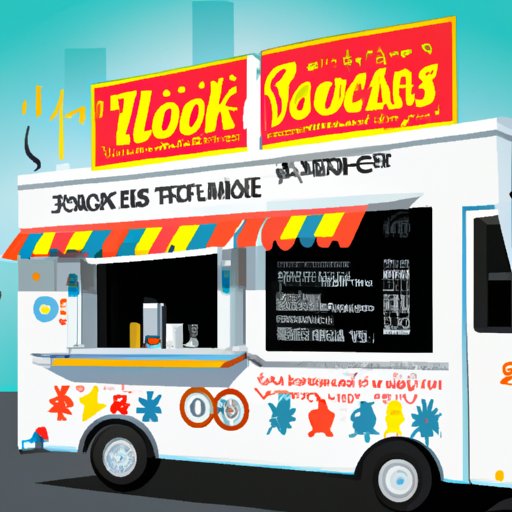
A food truck is a mobile kitchen that serves food to customers on the go. This type of business has become increasingly popular in recent years, with entrepreneurs drawn by the low overhead costs and flexibility of running a restaurant on wheels. But how much does it cost to open a food truck?
The cost of starting a food truck can vary depending on the size and type of truck, the equipment and supplies needed, marketing expenses, and other factors. Additionally, there are certain legal requirements and regulations that must be met in order to operate a food truck. In this article, we’ll take an in-depth look at the costs and benefits associated with owning a food truck.
Analyzing the Average Cost of Starting a Food Truck
One of the biggest expenses associated with starting a food truck is buying the truck itself, which can range from $15,000 to $100,000 or more. According to the National Restaurant Association, “the average cost of a food truck is around $50,000.”
In addition to the cost of the truck, you’ll also need to purchase any necessary equipment such as refrigerators, ovens, grills, and other kitchen appliances. You may also need to invest in supplies such as serving utensils, plates, cups, napkins, and other items. The total cost of these items can range from a few hundred dollars to several thousand dollars, depending on the type and quality of the items purchased.
Advertising and marketing are also essential for any successful business, and food trucks are no exception. You’ll need to invest in promotional materials such as flyers, business cards, and signage, as well as digital marketing efforts like website creation and social media campaigns. The cost of these activities will depend on the scope of your marketing plan and the vendors you choose to work with.
Finally, you’ll need to factor in the cost of labor. Depending on the size and scope of your business, you may need to hire employees to help with food preparation, customer service, and other tasks. This will add to your overhead costs, but can also help ensure the success of your business.
Outlining the Expenses Involved in Opening a Food Truck
In addition to the initial costs of the truck, equipment, and marketing, there are several other expenses you’ll need to account for when starting a food truck. Insurance is one of the most important expenses, as it protects you and your business from potential liability. You’ll also need to apply for any necessary permits and licenses, which come with their own set of fees.
Food safety is another important consideration. You’ll need to invest in proper storage and preparation methods to ensure that your food is safe for consumption. This could include purchasing coolers, freezers, and other storage containers, as well as investing in food safety training.
Comparing the Start-Up Costs for Different Types of Food Trucks
The cost of starting a food truck can vary depending on the type of business you plan to operate. Traditional food trucks typically serve fast food-style items such as burgers, fries, and hot dogs. Specialty food trucks, on the other hand, focus on a specific type of cuisine and may require additional equipment and ingredients. Additionally, some food trucks are mobile, while others are stationary and set up shop in one location.
The type of truck you choose will have a direct impact on the cost of starting your business. Mobile trucks require more fuel and maintenance costs, while stationary trucks may require additional rent or lease payments. Additionally, specialty trucks may require more expensive ingredients and specialized equipment.
Exploring the Benefits of Operating a Food Truck
Despite the upfront costs associated with starting a food truck, there are many potential benefits. One of the main advantages of owning a food truck is the flexibility of location. Mobile food trucks can travel to different locations throughout the day, allowing you to reach a wider audience than if you were limited to a single location.
In addition, the overhead costs of operating a food truck are typically lower than those of a brick-and-mortar restaurant. There’s no need to pay rent or lease payments, and you can often purchase used equipment at a discounted price. Finally, food trucks have the potential to generate high profit margins due to their relatively low operational costs.

Reviewing Common Financing Options for Food Trucks
If you don’t have the funds to start a food truck on your own, there are several financing options available. Small business loans are one of the most common sources of funding for food truck owners. Crowdfunding is another option, allowing you to raise money from friends, family, and strangers online. Finally, you can always use personal savings or investments to fund your business.

Examining Tax Implications of Owning a Food Truck
When you own a business, you’re responsible for paying taxes on your profits. As a food truck owner, you’ll need to pay self-employment taxes as well as federal and state income taxes. You’ll also need to collect and pay sales taxes on all food and beverage items sold.

Investigating Local Regulations and Licensing Requirements for Food Trucks
Before you can open a food truck, you’ll need to research local laws and regulations regarding food trucks. This includes zoning restrictions, health department regulations, and parking and traffic rules. Additionally, you may need to obtain certain permits and licenses before you can legally operate your business.
Conclusion
Starting a food truck business can be an exciting venture, but it’s important to understand the costs and benefits associated with this type of business. While the upfront costs can be significant, the potential rewards make it an attractive option for aspiring entrepreneurs. Before you start a food truck, be sure to research local laws and regulations, investigate financing options, and consider the tax implications of owning a business.
(Note: Is this article not meeting your expectations? Do you have knowledge or insights to share? Unlock new opportunities and expand your reach by joining our authors team. Click Registration to join us and share your expertise with our readers.)