
Introduction
Starting a cleaning business can be an exciting and rewarding venture. However, it’s important to understand the costs associated with starting a business in order to ensure that you have enough capital to get your business off the ground. In this article, we’ll explore how much it costs to start a cleaning business, from equipment and supplies to licenses and permits.

Outline of Typical Startup Costs for a Cleaning Business
When it comes to starting a cleaning business, there are several costs that you need to consider. The exact costs will depend on the type of services you’re offering and the size of your business, but here are some of the most common expenses associated with starting a cleaning business:
Equipment
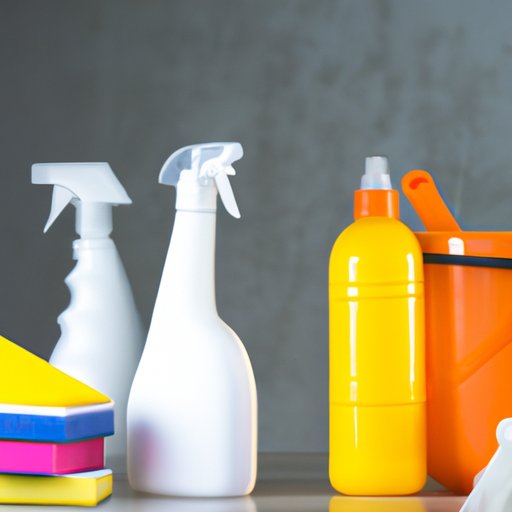
The equipment you need to start a cleaning business will vary depending on the type of services you’re offering. For example, if you’re offering residential cleaning services, you’ll likely need vacuums, mops, brooms, buckets, and cleaning supplies. You may also need to purchase additional items such as ladders, extension cords, and pressure washers. If you’re offering commercial cleaning services, you may need to invest in specialized equipment, such as floor scrubbers or carpet cleaners.
Supplies
In addition to equipment, you’ll need to purchase cleaning supplies such as sponges, rags, glass cleaner, and disinfectants. You may also need to purchase additional items such as gloves, aprons, and shoe covers. Depending on the scope of services you’re offering, you may need to purchase additional supplies such as window cleaning solutions or wood polishes.
Licenses & Permits
Depending on where you’re operating your business, you may need to obtain certain licenses and permits in order to operate legally. These can include a business license, a sales tax permit, and a zoning permit. You may also need to obtain a general liability insurance policy, which will protect your business from any potential legal issues.
Insurance
In addition to a general liability insurance policy, you may also need to purchase workers’ compensation insurance, which will protect your employees in case they get injured while working. Depending on the type of services you offer, you may need to purchase additional types of insurance, such as professional liability insurance or property damage insurance.
Advertising & Marketing
If you want to reach new customers, you’ll need to invest in some form of advertising or marketing. This could include creating a website, running online ads, or investing in traditional forms of advertising, such as radio or print ads. You may also want to consider investing in promotional materials, such as flyers or business cards.
Professional Services
Depending on the complexity of your business, you may need to hire professionals to help you set up your business. This could include an accountant to help with bookkeeping, a lawyer to review contracts, or a web designer to create a website. You may also need to hire additional employees, such as cleaners or customer service representatives.
A Step-by-Step Guide to Estimating the Cost to Start a Cleaning Business
Once you’ve identified the costs associated with starting a cleaning business, you’ll need to determine how much it will cost to get your business up and running. Here’s a step-by-step guide to help you estimate the cost to start a cleaning business:
Research the Market & Competition
Before you begin calculating the cost of starting a cleaning business, it’s important to research the market and competition. This will help you get a better understanding of the services that are in demand and the prices that are being charged by other businesses in the area. This information will help you determine how much you need to charge for your services in order to be competitive.
Create an Initial Budget
Once you’ve done your research, you can create an initial budget that includes all of the costs associated with starting a cleaning business. Be sure to include both one-time expenses, such as equipment and supplies, and ongoing expenses, such as labor and taxes. Remember to factor in any discounts or deals you may be able to take advantage of.
Make Adjustments & Re-evaluate Your Budget
Once you’ve created your initial budget, it’s important to make adjustments as needed. This could mean cutting back on certain expenses, such as advertising or professional services, or scaling up your business by investing in more equipment or hiring additional employees. Once you’ve made adjustments to your budget, it’s important to re-evaluate it to make sure it’s still realistic and achievable.

How to Choose the Right Equipment and Supplies for Your Cleaning Business
Choosing the right equipment and supplies for your cleaning business is essential to ensure that you’re able to provide quality services. Here are a few tips to help you choose the right equipment and supplies for your business:
Consider the Size of Your Business
The size of your business will determine the type of equipment and supplies you need. For example, if you’re a small business, you may only need basic cleaning supplies. On the other hand, if you’re a larger business, you may need to invest in more specialized equipment, such as floor scrubbers or carpet cleaners.
Research Different Types of Equipment & Supplies
Once you’ve determined the size of your business, it’s important to research different types of equipment and supplies. Read reviews and talk to other business owners to find out what products they recommend. This will help you determine which products are best suited for your business and which ones are worth investing in.
Compare Prices & Quality
Once you’ve narrowed down your options, it’s important to compare prices and quality. Look for discounts or deals, and read customer reviews to ensure that you’re getting the best value for your money. Investing in quality equipment and supplies will help you provide better services and ensure that your business runs smoothly.

Tips on Saving Money When Starting a Cleaning Business
Starting a cleaning business doesn’t have to be expensive. Here are a few tips to help you save money when starting a cleaning business:
Look for Used Equipment & Supplies
When it comes to equipment and supplies, it’s often cheaper to buy used. Look for discounts or deals on used equipment and supplies, and read customer reviews to ensure that you’re getting quality products. Buying used items can help you save money without sacrificing quality.
Find Discounts & Deals
It’s always a good idea to look for discounts and deals when purchasing equipment and supplies for your business. Many manufacturers and retailers offer discounts or special deals on their products, so be sure to check around for the best prices.
Take Advantage of Free Resources
There are many free resources available to help you get started with your business. Take advantage of these resources, such as free templates for creating business plans or marketing materials. There are also many online tutorials and courses available to help you learn the basics of running a business.
Understanding the Costs Associated with Running a Cleaning Business
In addition to startup costs, it’s important to understand the costs associated with running a cleaning business. Here are some of the most common expenses associated with running a cleaning business:
Labor & Employees
If you plan to hire employees, you’ll need to factor in the cost of labor. This includes wages, benefits, and any other costs associated with hiring and retaining employees. You’ll also need to consider the cost of training and onboarding new employees.
Ongoing Maintenance & Repairs
Your equipment and supplies will need regular maintenance and repair. This includes replacing worn out tools and supplies, as well as repairing or replacing broken equipment. It’s important to factor in the cost of ongoing maintenance and repairs when budgeting for your business.
Taxes & Fees
Finally, it’s important to understand the taxes and fees associated with running a business. This includes state and local taxes, as well as any fees associated with obtaining licenses or permits. Understanding the taxes and fees associated with running a business will help you accurately budget for your business.
Conclusion
Starting a cleaning business can be expensive, but with proper planning and budgeting, you can ensure that your business is successful. Be sure to research the market and competition, create a realistic budget, and take advantage of discounts and deals. Understand the costs associated with running a business, and make sure to factor in taxes and fees. With the right preparation and planning, you can be sure that your cleaning business will be a success.
(Note: Is this article not meeting your expectations? Do you have knowledge or insights to share? Unlock new opportunities and expand your reach by joining our authors team. Click Registration to join us and share your expertise with our readers.)