
Introduction
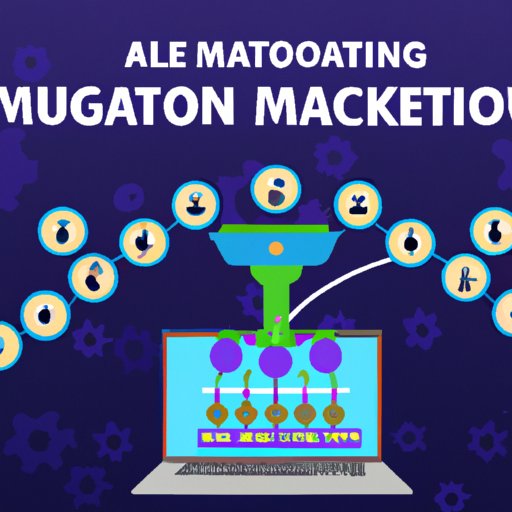
Marketing automation is a powerful tool that can help businesses streamline processes, reach wider audiences, and save time and money. It involves leveraging technology to automate repetitive tasks associated with marketing campaigns, freeing up resources for other activities. In this comprehensive guide, we’ll explore the basics of marketing automation, how to set it up, and how to optimize your strategies for maximum success.
Exploring the Basics of Marketing Automation
Before diving into setting up marketing automation, let’s take a look at what it is and how it works.
What Is Marketing Automation?
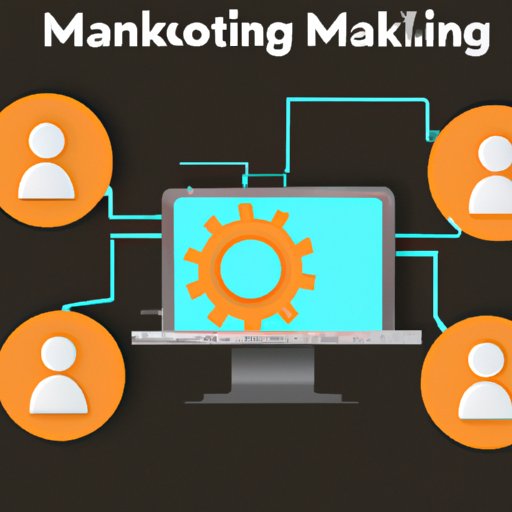
Marketing automation is the use of software to automate marketing processes such as customer segmentation, lead nurturing, social media management, email campaigns, and more. It is designed to help marketers increase efficiency, reduce costs, and improve the customer experience. According to a study by Forrester, “Marketing automation technology is transforming the way companies interact with customers and prospects.”
How Does It Work?
Marketing automation works by leveraging technology to automate tasks that would otherwise be done manually. This can include things like sending emails, managing social media accounts, segmenting customers, and tracking performance. With the right platform, marketers can create automated workflows that trigger specific actions based on customer behavior or predetermined conditions. This allows them to quickly and easily execute campaigns without having to manually manage each step.
A Step-by-Step Guide to Setting Up Marketing Automation
Now that you have a better understanding of what marketing automation is and how it works, let’s look at how to set it up.
Key Considerations for Choosing a Platform
The first step in setting up marketing automation is choosing a platform. There are many different options available, so it’s important to consider factors such as cost, features, and user-friendliness when making your decision. Researching reviews and speaking with other businesses who have used the platform can also help you narrow down your choices.
Creating Your Automation Workflow
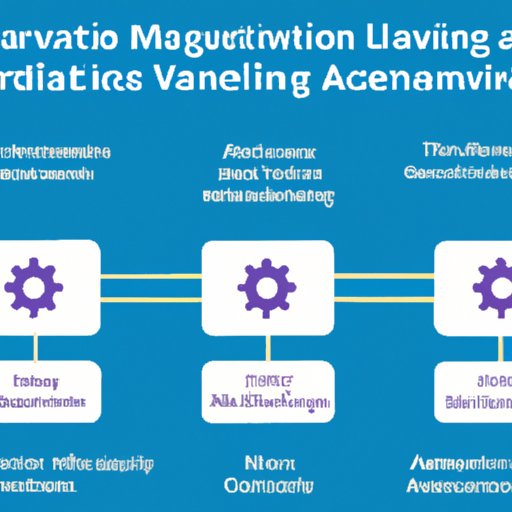
Once you’ve chosen a platform, the next step is to create your automation workflow. This involves mapping out the steps of your campaign, from initial contact to final conversion. During this process, it’s important to think about the customer journey and how each step will contribute to the overall goal of the campaign. If you’re unsure of how to set up your workflow, most platforms offer templates and tutorials to help guide you through the process.
Establishing Goals and Tracking Performance
It’s also important to set goals for your campaigns and track their performance. This will help you determine whether or not the campaign is meeting its objectives and make adjustments if needed. Most platforms offer reporting tools that allow you to track key metrics such as open rates, click-through rates, and conversions.
Benefits of Utilizing Marketing Automation
Now that you understand the basics of setting up marketing automation, let’s explore some of the key benefits of utilizing it.
Streamlining Processes
One of the biggest advantages of marketing automation is that it can help streamline processes. By automating tasks such as email campaigns and customer segmentation, businesses can save time and resources that can be used for other activities. This can result in improved efficiency and increased productivity.
Reaching Wider Audiences
Marketing automation also makes it easier to reach wider audiences. With automated campaigns, businesses can send personalized messages to hundreds or even thousands of people in a matter of minutes. This can help increase brand awareness and generate more leads.
Saving Time and Money
Finally, marketing automation can help businesses save time and money. By automating tasks, businesses can reduce labor costs and free up resources for other activities. This can result in increased ROI and improved profitability.
How to Leverage Different Types of Automated Campaigns
Now that you understand the benefits of marketing automation, let’s look at how to leverage different types of automated campaigns.
Email Marketing
Email marketing is one of the most popular forms of automated campaigns. With the right platform, businesses can send personalized emails to large groups of people with just a few clicks. This can help increase engagement, build brand loyalty, and generate more leads.
Social Media Automation
Social media automation is another effective way to leverage marketing automation. By scheduling posts in advance, businesses can stay active on social media without having to manually post every day. This can help increase reach and engagement, as well as drive more traffic to the website.
Customer Segmentation
Customer segmentation is another key component of marketing automation. By segmenting customers into different groups based on criteria such as age, location, and interests, businesses can tailor their messages and offers to more accurately target their audience.
Lead Nurturing
Lead nurturing is also an important part of marketing automation. By creating automated workflows that nurture leads over time, businesses can stay top-of-mind with potential customers and increase the chances of converting them into paying customers.
Common Challenges Faced When Implementing Marketing Automation
While marketing automation can provide a number of benefits, there are also challenges that come with implementing it. Let’s take a look at some of the most common ones.
Lack of Resources
One of the biggest challenges businesses face when implementing marketing automation is lack of resources. Setting up and managing an automated campaign requires time, money, and expertise, which can be difficult for small businesses to come by. It’s important to ensure that you have the necessary resources before attempting to implement marketing automation.
Data Quality Issues
Another challenge is data quality. Poorly maintained or outdated data can result in inaccurate results and poor campaign performance. It’s important to regularly review and update your data to ensure accuracy.
Poorly Designed Automation Strategies
Finally, poorly designed automation strategies can lead to ineffective campaigns. It’s important to carefully plan your automation workflow and ensure that each step is properly configured. This will help maximize the effectiveness of your campaigns.
Best Practices for Optimizing Your Marketing Automation Strategies
Now that you know the challenges associated with implementing marketing automation, let’s look at some best practices for optimizing your strategies.
Understand Your Audience
The first step in optimizing your marketing automation strategies is to understand your audience. Knowing who your customers are and what they want will help you create campaigns that are tailored to their needs and interests. This will result in more effective campaigns and improved results.
Develop Clear Goals
It’s also important to develop clear goals for your campaigns. Establishing objectives upfront will help you measure the success of your campaigns and make adjustments if needed. This will ensure that your efforts are focused in the right areas.
Personalize Your Messages
Personalizing your messages is another key step in optimizing your campaigns. By leveraging customer data, you can create more targeted messages that resonate with your audience. This will help increase engagement and drive more conversions.
Monitor Performance Regularly
Finally, it’s important to monitor the performance of your campaigns regularly. This will allow you to identify any issues and make adjustments as needed. Most platforms offer reporting tools that allow you to track key metrics such as open rates, click-through rates, and conversions.
Conclusion
Marketing automation is a powerful tool that can help businesses streamline processes, reach wider audiences, and save time and money. With the right platform and strategy in place, businesses can leverage automated campaigns to increase efficiency, reduce costs, and improve the customer experience. This comprehensive guide has explored the basics of marketing automation, how to set it up, and how to optimize your strategies for maximum success.
(Note: Is this article not meeting your expectations? Do you have knowledge or insights to share? Unlock new opportunities and expand your reach by joining our authors team. Click Registration to join us and share your expertise with our readers.)