

Introduction
Potassium is a crucial mineral for many bodily functions, including regulating blood pressure and muscle contractions. It’s important to get enough potassium in your diet to maintain good health. But how much potassium should you take per day?
This article will explore the recommended daily intake of potassium, the benefits of reaching it, and the potential risks of taking too much potassium. We’ll also discuss the different types of potassium supplements available and the role of potassium in regulating blood pressure. Finally, we’ll look at the importance of eating a balanced diet for optimal potassium intake.
Exploring the Daily Recommended Potassium Intake and How to Achieve It
The recommended amount of potassium intake for adults is 4,700 milligrams per day. However, this amount can vary depending on age, gender, and other factors. For example, pregnant women should aim for 4,700 to 5,100 milligrams per day, while breastfeeding women should aim for 5,100 milligrams per day.
There are several foods that are high in potassium, such as bananas, potatoes, avocados, spinach, beans, and yogurt. Eating a variety of these foods can help you reach the recommended daily intake of potassium.
Getting enough potassium has numerous benefits. Studies have shown that getting enough potassium in your diet can help lower blood pressure, reduce the risk of stroke, and prevent bone loss. It can also help improve muscle strength and reduce the risk of kidney stones.

What You Need to Know About Taking Potassium Supplements
If you’re unable to reach the recommended daily intake of potassium through diet alone, taking a potassium supplement may be an option. There are several different types of potassium supplements available, including tablets, capsules, and liquids. Some of these supplements contain potassium chloride, while others contain potassium citrate or potassium bicarbonate.
Taking a potassium supplement can be beneficial, as it can help you reach the recommended daily intake of potassium. However, there are some potential risks associated with taking potassium supplements. For example, taking too much potassium can lead to nausea, vomiting, and abdominal pain. It can also cause irregular heartbeats and even heart failure in rare cases. Therefore, it’s important to speak to your doctor before taking any kind of potassium supplement.
How Many Potassium Pills Should You Take Per Day?
The recommended dosage for potassium pills depends on your age, gender, and other factors. Generally, the recommended dosage for adults is 2.4 to 4.7 grams per day. However, it’s best to consult a doctor or nutritionist to determine the best dosage for you.
In addition to age and gender, there are other factors that can affect the dosage of potassium pills. For example, if you have kidney disease, you may need to adjust the dosage of potassium pills. Certain medications can also interact with potassium pills, so it’s important to talk to your doctor about any medications you’re taking.

The Benefits of Taking Potassium Pills and the Dangers of Overdosing
Taking potassium pills can be beneficial, as they can help you reach the recommended daily intake of potassium. Studies have shown that taking potassium pills can help reduce the risk of stroke, lower blood pressure, and prevent bone loss. Additionally, taking potassium pills can help improve muscle strength and reduce the risk of kidney stones.
However, it’s important to be aware of the potential risks of taking too much potassium. Too much potassium can lead to nausea, vomiting, and abdominal pain. In rare cases, it can also cause irregular heartbeats and heart failure. Therefore, it’s important to speak to your doctor before taking any kind of potassium supplement.
Eating a Balanced Diet for Optimal Potassium Intake
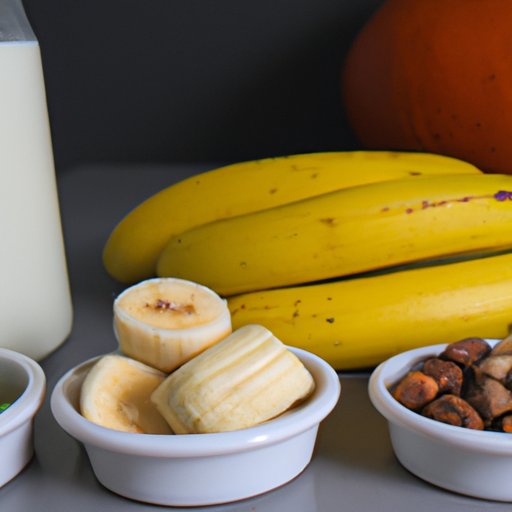
Eating a balanced diet is the best way to ensure you’re getting enough potassium. Foods high in potassium include bananas, potatoes, avocados, spinach, beans, and yogurt. Eating a variety of these foods can help you reach the recommended daily intake of potassium.
Eating a balanced diet has numerous benefits. Not only does it help you reach the recommended daily intake of potassium, but it also helps ensure you’re getting all the other nutrients your body needs. Additionally, eating a balanced diet can help reduce the risk of chronic diseases, such as heart disease and diabetes.
The Role of Potassium in Regulating Blood Pressure
Potassium plays an important role in regulating blood pressure. Studies have shown that getting enough potassium in your diet can help lower blood pressure. Additionally, low potassium levels can lead to high blood pressure and other cardiovascular issues.
Therefore, it’s important to make sure you’re getting enough potassium in your diet. If you’re unable to reach the recommended daily intake of potassium through diet alone, taking a potassium supplement may be an option. However, it’s important to speak to your doctor before taking any kind of potassium supplement.
Conclusion
Getting enough potassium is essential for good health. This article explored how much potassium should be taken per day, the benefits of reaching the recommended daily intake, and the potential risks of taking too much potassium. We also discussed the different types of potassium supplements available and the role of potassium in regulating blood pressure.
The best way to ensure you’re getting enough potassium is to eat a balanced diet that includes foods high in potassium, such as bananas, potatoes, avocados, spinach, beans, and yogurt. If you’re unable to reach the recommended daily intake of potassium through diet alone, taking a potassium supplement may be an option. However, it’s important to speak to your doctor before taking any kind of potassium supplement.
(Note: Is this article not meeting your expectations? Do you have knowledge or insights to share? Unlock new opportunities and expand your reach by joining our authors team. Click Registration to join us and share your expertise with our readers.)