
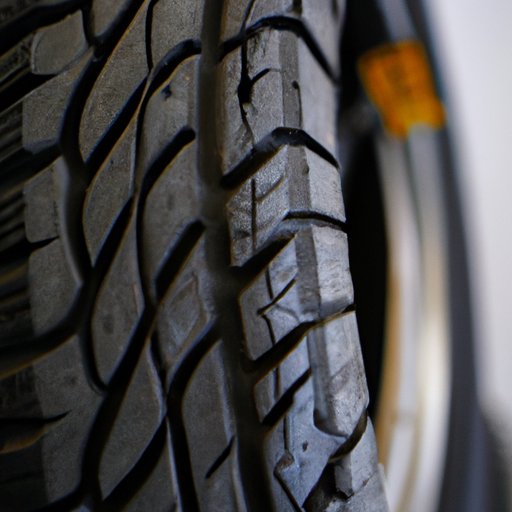
Introduction
Having a spare tire is essential for any driver. It is important to understand what a spare tire is, how far you can drive on it, and the risks associated with driving on a spare tire. This article will provide a comprehensive guide to understanding how many miles you can safely drive on a spare tire.

A Guide to Understanding How Far You Can Drive on a Spare Tire
A spare tire is a full-size or temporary tire that is stored in the trunk or under the vehicle for emergency use. It typically has a much lower speed rating than the tires that are currently on the vehicle. This means that the maximum speed you can drive with a spare tire is much lower than the speed you can safely drive with regular tires.
The maximum number of miles you can drive on a spare tire varies depending on the type of tire, its age, and the condition of the road. Generally speaking, most spare tires are designed to travel no more than 50 to 70 miles at speeds of up to 55 mph. However, some manufacturers may specify different mileage limits for their own tires.
It is important to note that even if the spare tire has not reached its maximum distance, there are other factors that can limit its usefulness. For example, the tire may be too worn out or have a slow leak that prevents it from being used for long distances.
How Many Miles Should You Drive on a Spare Tire?
When driving on a spare tire, it is important to assess the condition of the tire before setting out on your journey. Factors such as the age of the tire, the amount of tread left on the tire, and the condition of the road can all affect how many miles you can safely drive on the spare tire.
If the tire is too old or worn out, it is best to replace it right away. If the tire still has plenty of tread, then you should be able to drive a few miles without any problems. However, you should avoid driving at high speeds or on rough roads while using a spare tire.
What Are the Risks of Driving Too Far on a Spare Tire?
Driving too far on a spare tire can be dangerous. The tire may be too worn out to handle the load of the vehicle, which can lead to increased wear and tear on the tire. Additionally, the reduced traction and handling of the vehicle can increase the risk of an accident.
Furthermore, driving on a spare tire for too long can cause damage to the tire itself. This can include cracking, bulging, or other signs of wear and tear that can make the tire unsafe to use.
When Is It Time to Replace Your Spare Tire?
If you find yourself needing to use your spare tire often, it is time to replace it. Signs that indicate it is time to replace the spare tire include visible wear and tear, cracks, bulges, or other signs of damage. It is also important to check the air pressure regularly to ensure the tire is properly inflated.
When replacing a spare tire, it is important to choose a tire that is the same size and type as your other tires. This will help ensure that the vehicle handles and performs properly. Additionally, it is important to check the tire’s speed rating and load rating to make sure it is suitable for your vehicle.
Understanding the Limitations of Driving on a Spare Tire
Driving on a spare tire can be risky. To reduce the risk of an accident or tire failure, it is important to understand the limitations of a spare tire. This includes avoiding high speeds and rough roads, assessing the condition of the tire before driving, and replacing the tire when necessary. Additionally, it is important to check the tire pressure regularly and to keep an eye out for signs of wear and tear.
Finally, it is important to take steps to prevent needing to use a spare tire in the first place. This includes performing regular maintenance on your tires, checking the tire pressure regularly, and ensuring that the tires are properly inflated. Taking these steps can help you avoid the need for a spare tire altogether.
Conclusion
Driving on a spare tire can be dangerous. It is important to understand the limitations of a spare tire and to take steps to prevent needing to use one. This includes performing regular maintenance on your tires, checking the tire pressure regularly, and replacing the tire when necessary. By understanding how many miles you can drive on a spare tire, you can ensure your safety and the safety of those around you.
(Note: Is this article not meeting your expectations? Do you have knowledge or insights to share? Unlock new opportunities and expand your reach by joining our authors team. Click Registration to join us and share your expertise with our readers.)