

Introduction
Carbohydrates, or “carbs” for short, are an essential part of any healthy diet. They provide energy and fuel for our bodies and brains, as well as dietary fiber and other important nutrients. But with all the conflicting advice out there, it can be hard to know how many carbs you should eat every day. In this article, we’ll take a look at the recommended daily allowance of carbs, factors to consider when calculating your carb intake, types of carbs and their nutritional benefits, and tips for accurately counting carbs.
A Comprehensive Guide to Eating Healthy Carbs: How Many Carbs Should You Eat Per Day?
The Dietary Guidelines for Americans recommend that 45 to 65 percent of your daily calories come from carbohydrates. That works out to between 225 and 325 grams of carbs per day for someone who eats 2,000 calories a day. However, this recommendation is just a general guideline. Depending on your individual needs, you may need more or less than this amount.
Factors to Consider When Calculating Carb Intake
Your age, gender, activity level, and health goals all play a role in determining how many carbs you should eat each day. For example, if you’re an active person, you may need more carbs to fuel your workouts. On the other hand, if you’re trying to lose weight, you may need to reduce your carb intake to create a calorie deficit. It’s also important to keep in mind that not all carbs are created equal. Some carbs are healthier than others, so it’s important to choose whole grain, high fiber carbs over refined carbs like white bread, white rice, and processed snacks.

Carbs 101: What You Need to Know About Healthy Carb Intake
Carbs are classified into two main categories: simple and complex. Simple carbs include sugars found in fruits, vegetables, and dairy products, while complex carbs include starches found in grains, beans, and legumes. Both types of carbs provide energy, but complex carbs have the added benefit of providing fiber, vitamins, and minerals. Eating a variety of carbs from both categories helps ensure you get the nutrients your body needs.
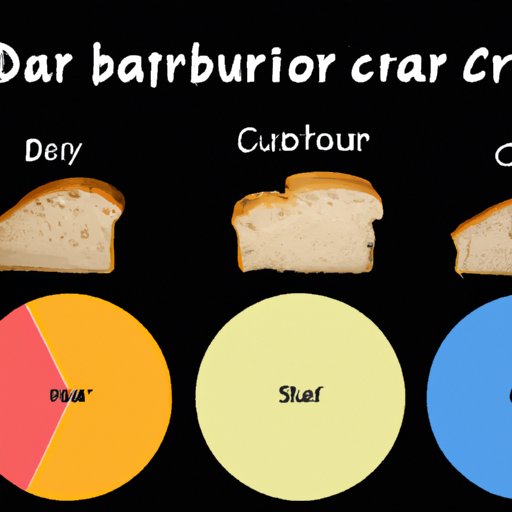
Different Levels of Carb Consumption
Depending on your individual needs, you may want to adjust your carb intake to suit your health goals. Low-carb diets, such as the ketogenic diet, typically involve eating fewer than 50 grams of carbs per day. Moderate-carb diets typically involve eating between 50 and 150 grams of carbs per day. And high-carb diets typically involve eating more than 150 grams of carbs per day.

Counting Carbs: How to Calculate the Right Amount for Optimal Health
Knowing how many carbs you should be eating is only half the battle. The other half involves accurately counting carbs to make sure you’re getting the right amount. To do this, you’ll need to become familiar with the glycemic index. The glycemic index is a measure of how quickly a food raises your blood sugar levels. Foods with a high glycemic index are digested quickly, causing a rapid spike in blood sugar. Foods with a low glycemic index are digested slowly, causing a gradual rise in blood sugar. Aim to choose foods with a low glycemic index most of the time, as these are generally healthier and better for managing blood sugar levels.
Tips for Accurately Counting Carbs
Accurately counting carbs isn’t as difficult as it sounds. Here are some tips to help you get started:
- Read nutrition labels – Nutrition labels list the number of carbs per serving size. By reading labels, you can easily track your carb intake.
- Use a carb tracking app – There are several apps available that can help you track your carb intake. These apps allow you to input the foods you’ve eaten and see how many carbs you’ve consumed.
- Keep a food journal – Writing down everything you eat can help you stay accountable and ensure you’re getting the right amount of carbs.
The Benefits of Eating Low-Carb Diets: Why Less Is More
Low-carb diets have been gaining popularity in recent years, and for good reason. Studies have shown that they can lead to significant weight loss and improved heart health. One study published in the New England Journal of Medicine found that participants who followed a low-carb diet lost more weight than those who followed a low-fat diet. Additionally, another study published in the American Journal of Cardiology found that individuals who followed a low-carb diet had lower levels of bad cholesterol and higher levels of good cholesterol.
The Role of Carbs in a Balanced Diet: How Much Should You Eat?
Eating a balanced diet is key to maintaining optimal health. That means getting the right amounts of macronutrients — carbohydrates, proteins, and fats — each day. While the exact ratio of macronutrients varies depending on your individual needs, the general recommendation is to consume 45 to 65 percent of your calories from carbs, 10 to 35 percent from proteins, and 20 to 35 percent from fats.
5 Tips for Eating Carbs Wisely: How to Make the Most of Your Daily Allowance
Making smart carb choices is just as important as counting carbs. Here are five tips to help you make the most of your daily carb allowance:
- Choose whole grains over refined carbs – Whole grains are packed with vitamins, minerals, and fiber, making them a healthier choice than refined carbs like white bread, white rice, and processed snacks.
- Limit processed foods – Processed foods are often high in unhealthy fats and added sugars, so it’s best to limit them as much as possible.
- Focus on high fiber carbs – High fiber carbs like oats, quinoa, and beans are digested more slowly, helping to keep you feeling full longer.
- Monitor portion sizes – Eating too much of even the healthiest carbs can lead to weight gain, so be sure to monitor your portion sizes.
- Incorporate healthy fats – Healthy fats like olive oil, nuts, and avocados can help slow down the digestion of carbs, which can help regulate blood sugar levels.
The Skinny on Carbs: What You Should Know About Low-Carb Diets
Low-carb diets have become increasingly popular in recent years, with many people claiming they can help you lose weight faster. Popular low-carb diets include the Atkins Diet, Paleo Diet, and Ketogenic Diet. While these diets can be effective for weight loss, they may also come with risks. For example, low-carb diets can increase your risk of nutrient deficiencies and may be difficult to maintain long-term. It’s important to speak with your doctor before starting any new diet.
Conclusion
Carbs are an important part of a healthy diet. Knowing how many carbs you should eat each day is key to achieving optimal health. The Dietary Guidelines for Americans recommend that 45 to 65 percent of your daily calories come from carbohydrates, which works out to between 225 and 325 grams of carbs per day for someone who eats 2,000 calories a day. However, this recommendation is just a general guideline and may vary depending on your individual needs. By choosing whole grains over refined carbs, limiting processed foods, focusing on high fiber carbs, monitoring portion sizes, and incorporating healthy fats, you can make the most of your daily carb allowance.
At the end of the day, finding the right balance between carbs and other macronutrients is key to achieving optimal health. By following the tips outlined in this article, you can make sure you’re getting the right amount of healthy carbs every day.
(Note: Is this article not meeting your expectations? Do you have knowledge or insights to share? Unlock new opportunities and expand your reach by joining our authors team. Click Registration to join us and share your expertise with our readers.)