
Introduction
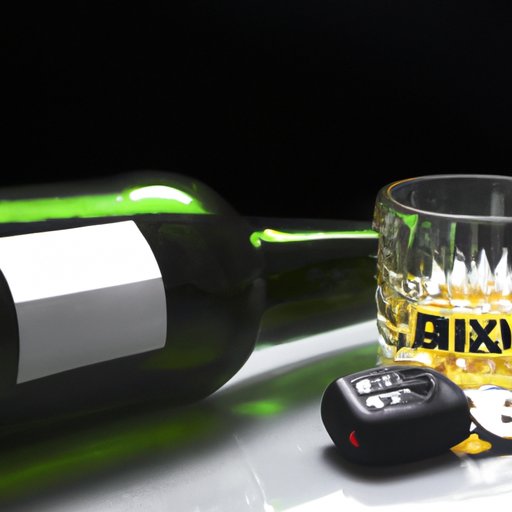
Drinking and driving is a serious offense in the United States and many other countries. It can lead to dangerous accidents, criminal penalties, and even death. In order to keep yourself and others safe on the road, it’s important to understand the legal limits for drinking and driving, the impact of alcohol on driving ability, and the risks of drinking and driving.
The Legal Limits: How Many Beers Can You Drink and Drive?
In the United States, the legal limit for Blood Alcohol Content (BAC) while driving is 0.08%. This means that if your BAC is 0.08% or higher, you are considered legally impaired and will be charged with a DUI or DWI. The amount of alcohol it takes to reach this level varies from person to person, depending on factors such as size, weight, gender, and how much food has been eaten.
In addition to the federal law, each state has its own laws regarding BAC levels. For example, some states have lower limits for commercial drivers and those under 21 years of age. Additionally, some states have “zero tolerance” laws, meaning that any trace of alcohol in your system can result in a DUI or DWI charge.

Understanding the Impact of Alcohol on Driving Ability
It is important to understand the impact of alcohol on driving ability. Even if your BAC is below the legal limit, drinking can still impair your motor skills, reaction time, and cognitive abilities. As your BAC increases, so does the risk of being involved in an accident.
Alcohol impairs your motor skills, making it difficult to control the vehicle and respond quickly to changing road conditions. It also slows down your reaction time, making it harder to react quickly to obstacles or other vehicles. Lastly, alcohol can impair your cognitive abilities, making it more difficult to make sound decisions while driving.
The Dangers of Drinking and Driving: What You Need to Know
Drinking and driving can have serious consequences. Drunk driving accidents can cause serious injury or death, both to the driver and to other people on the road. In addition to the physical injuries, there are also criminal penalties for driving under the influence. Depending on the severity of the offense, these penalties can range from fines and license suspensions to jail time.

Exploring the Risks of Drinking and Driving
In addition to the physical and criminal risks associated with drinking and driving, there are also health risks. Excessive drinking can lead to physical and mental health problems, including liver disease, depression, and memory loss. There are also financial implications, as the cost of medical bills and legal fees can add up quickly.

How to Stay Safe on the Road: The Effects of Alcohol on Driving
The best way to stay safe on the road is to avoid drinking and driving altogether. If you plan on drinking, designate a sober driver who can get you home safely. If you don’t have a designated driver, consider taking a taxi, rideshare, or public transportation.
What to Do If You Are Pulled Over for Drunk Driving
If you are stopped by a police officer for suspected drunk driving, it is important to know your rights. First and foremost, you should remain calm and polite. Refrain from admitting guilt or providing any information beyond your name and address. Don’t answer any questions about where you were or what you had to drink. You may also want to consider calling a lawyer for advice.
Conclusion
Drinking and driving is a serious offense with serious consequences. Knowing the legal limits for drinking and driving, understanding the impact of alcohol on driving ability, and exploring the risks of drinking and driving can help you stay safe on the road. If you are pulled over for drunk driving, remember to remain calm and know your rights. By following these guidelines, you can help keep yourself and others safe.
(Note: Is this article not meeting your expectations? Do you have knowledge or insights to share? Unlock new opportunities and expand your reach by joining our authors team. Click Registration to join us and share your expertise with our readers.)