

Introduction
Working out is an important part of staying healthy and fit, but it’s just as important to understand the importance of timing when it comes to exercising after eating. Different types of food require different amounts of time to digest, and it’s important to give your body enough time to do so before beginning any kind of physical activity. This article will explore how long to wait to workout after eating in order to maximize the benefits of exercising and reduce the risk of any potential health complications.
How Long to Wait to Workout After Eating
According to the American Council on Exercise (ACE), “it takes approximately three to four hours for the body to digest a full meal and six to eight hours for a large meal.” Based on this information, the following guidelines can be used to determine how long to wait to workout after eating:
- Small meals: 30 minutes
- Medium meals: 1-2 hours
- Large meals: 2-3 hours
Benefits of Waiting the Recommended Amount of Time Before Working Out
When you give your body enough time to properly digest before exercising, there are several benefits. These include improved digestion, reduced risk of cramps, and increased energy during exercise.
Dr. Kristin Kirkpatrick, a registered dietitian and wellness manager at the Cleveland Clinic Wellness Institute, states that “waiting a few hours after eating gives your body ample time to digest, absorb, and utilize the nutrients from your meal.” If you don’t allow enough time for digestion, it can lead to gastrointestinal distress, such as nausea or cramping, during exercise.
Additionally, waiting the recommended amount of time before working out can help to ensure that you have enough energy for your workout. According to Dr. Kirkpatrick, “If you haven’t given your body adequate time to digest, you may end up feeling sluggish or lethargic during your workout due to a lack of energy.”
Tips for Ensuring Proper Digestion Before Exercising
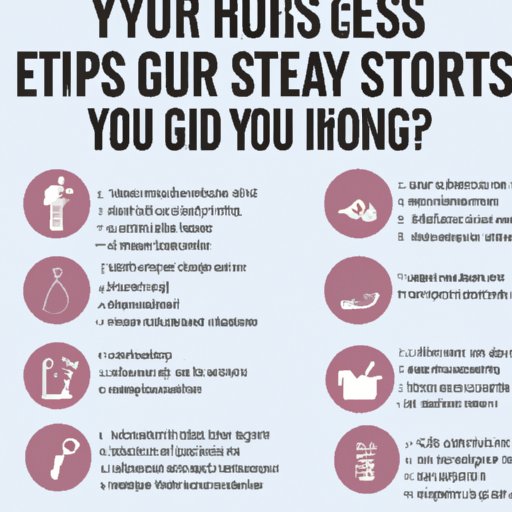
In order to ensure that your body has had enough time to digest before starting your workout, there are a few tips to keep in mind. Firstly, it’s important to drink plenty of water throughout the day. This helps to keep your system flushed and aids in digestion.
Secondly, it’s important to eat small, balanced meals. Try to avoid high-fat or high-fiber meals as these take longer to digest. Additionally, try to eat at least two to three hours before exercising in order to give your body plenty of time to digest.
Examples of How to Adjust Your Exercise Routine When You Have Eaten a Larger Meal
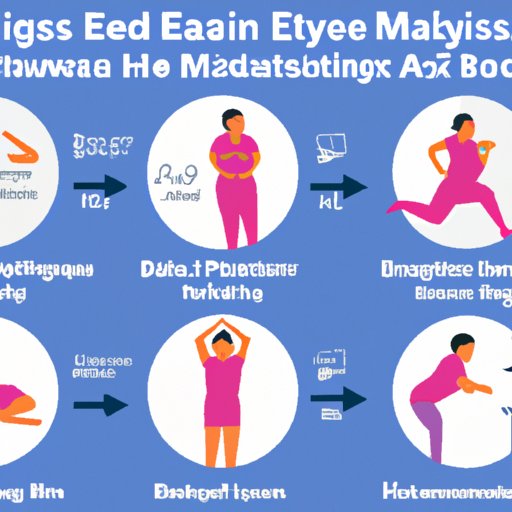
If you have eaten a larger meal and don’t have enough time to wait the recommended amount of time before working out, there are some ways to adjust your routine. Firstly, you can reduce the intensity of your workout. For example, instead of running, you could opt for a brisk walk or light jog.
Secondly, you can reduce the duration of your workout. Instead of doing a full hour-long session, you could opt for a shorter, 30-minute workout. Finally, you can take more rest breaks during your workout. This will give your body more time to digest and prevent any strain on your digestive system.
How to Tell if You Have Waited Too Long to Exercise After Eating
If you have waited too long to exercise after eating, you may experience some uncomfortable symptoms. These include heartburn, stomach discomfort, and bloating. If you experience any of these symptoms during your workout, it’s best to stop and take a break.
Conclusion
In conclusion, it’s important to understand the importance of timing when it comes to working out after eating. Different types of food require different amounts of time to digest, and it’s important to give your body enough time to do so before beginning any kind of physical activity. Generally speaking, it’s best to wait 30 minutes after eating a small meal, 1-2 hours after eating a medium meal, and 2-3 hours after eating a large meal. Waiting the recommended amount of time before working out can help to improve digestion, reduce the risk of cramps, and increase energy during exercise. Additionally, there are some tips for ensuring proper digestion before exercising, as well as examples of how to adjust your exercise routine when you have eaten a larger meal. Finally, it’s important to be aware of the signs that you may have waited too long to exercise after eating, such as heartburn, stomach discomfort, and bloating.
(Note: Is this article not meeting your expectations? Do you have knowledge or insights to share? Unlock new opportunities and expand your reach by joining our authors team. Click Registration to join us and share your expertise with our readers.)