
Introduction
Exercising regularly is an important part of staying healthy and maintaining a healthy weight. But when it comes to the timing of your workouts and meals, there’s a lot of confusion. How long should you wait to exercise after eating? What are the potential risks of waiting too long or too short? In this article, we’ll explore the benefits and risks of exercising after eating, as well as strategies for timing your meals and workouts.
How Long Should You Wait to Exercise After Eating?
When deciding how long to wait to exercise after eating, there are several factors to consider. According to Dr. Robert Glatter, an emergency physician at Lenox Hill Hospital in New York City, “The amount of time required to wait to exercise depends on the type and amount of food consumed.” For example, if you’ve eaten a large meal, you may need to wait longer than if you’ve only had a light snack.
In general, experts recommend waiting between 30 minutes and 2 hours before exercising. The American College of Sports Medicine (ACSM) recommends waiting at least two hours after a large meal before exercising. On the other hand, if you’ve only had a light snack, such as a piece of fruit or a handful of nuts, you may be able to start exercising within 30 minutes.
Exploring the Different Types of Exercise After Eating
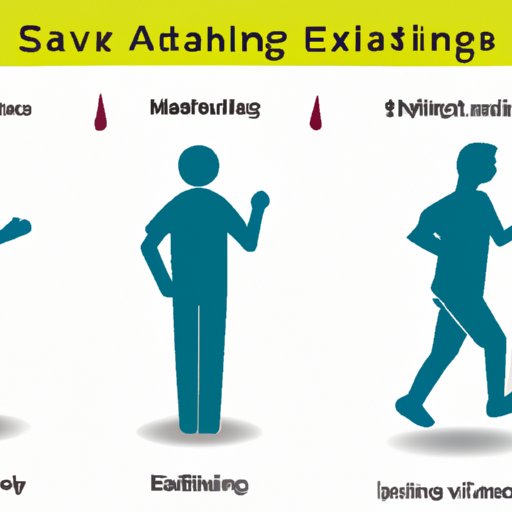
The type of exercise you do also affects how long you should wait to exercise after eating. If you’re doing low-intensity activities, like walking or yoga, you may not need to wait as long as if you’re doing high-intensity activities, such as running or weightlifting. According to Dr. Glatter, “For low-intensity exercises, such as walking, you may be able to start exercising within 30 minutes after eating. However, for higher intensity exercises, such as running, you may need to wait up to two hours after eating.”
The Effects of Waiting Too Long or Too Short to Exercise After Eating
If you wait too long or too short to exercise after eating, there can be potential health concerns. If you wait too long, your blood sugar levels may drop, resulting in fatigue, dizziness, and difficulty concentrating. On the other hand, if you exercise too soon after eating, your body may not have enough energy to perform the activity, resulting in muscle cramps and feelings of nausea.
It’s also important to note that exercising on a full stomach can cause indigestion, heartburn, and bloating. According to Dr. Glatter, “If you’ve eaten a large meal, the extra blood flow to the stomach can cause discomfort during exercise.” Therefore, it’s best to wait at least two hours after a large meal before exercising.

Strategies for Timing Your Meals and Workouts
If you’re trying to decide how long to wait to exercise after eating, it’s important to plan ahead. Try to schedule your meals and workouts so that they don’t overlap. If possible, aim to eat your last meal at least two hours before your workout. If you don’t have time to wait two hours before exercising, try to eat a light snack, such as a piece of fruit or a handful of nuts, 30 minutes before your workout.
In addition, it’s important to pay attention to your body. If you start to feel uncomfortable during your workout, take a break and give your body a chance to digest the food. It’s also helpful to drink plenty of water before, during, and after your workout to stay hydrated.
Foods to Eat Before and After Exercising After Eating
When exercising after eating, it’s important to choose the right types of foods. Avoid eating high-fat, high-sugar, or processed foods before exercising. These types of foods can cause digestive issues and make you feel sluggish during your workout.
Instead, opt for nutrient-dense foods that provide energy and fuel your workout. Good options include fruits and vegetables, whole grains, lean proteins, nuts and seeds, and dairy products. Eating these types of foods before and after your workout can help you stay energized and maximize the benefits of your workout.
Conclusion
Exercising regularly is an important part of staying healthy and maintaining a healthy weight. When deciding how long to wait to exercise after eating, there are several factors to consider, including the type and amount of food you’ve eaten and the type of exercise you’re doing. Generally, experts recommend waiting between 30 minutes and 2 hours after eating before exercising. It’s also important to pay attention to your body and make sure you’re fueling your workout with nutritious foods.
By following these tips, you can ensure that you’re getting the most out of your workouts and avoiding any potential health risks. So the next time you’re planning a workout, remember to factor in the timing of your meals and snacks.
(Note: Is this article not meeting your expectations? Do you have knowledge or insights to share? Unlock new opportunities and expand your reach by joining our authors team. Click Registration to join us and share your expertise with our readers.)