
Introduction
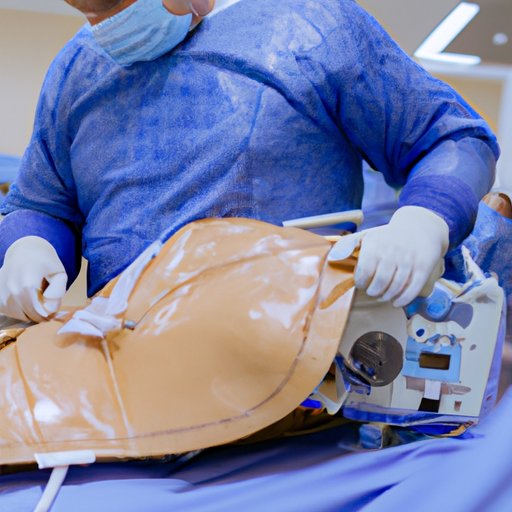
A hernia occurs when an organ or fatty tissue pushes through a weak spot in the surrounding muscle or connective tissue. Robotic hernia surgery is a minimally invasive procedure that uses advanced surgical robotics to help surgeons repair hernias. It is a safe, effective, and less painful alternative to traditional open hernia surgery, with a shorter hospital stay and faster recovery time.
In this article, we will explore how long it takes to recover from robotic hernia surgery, what to expect after the surgery, potential complications that may arise, and tips for speeding up the recovery process.
How Long Does it Take to Recover from Robotic Hernia Surgery?
The length of time it takes to recover from robotic hernia surgery varies from person to person and depends on several factors including age, overall health, type of hernia, and complexity of the surgery.
According to a study published in the journal Surgical Endoscopy, the average length of hospital stay for patients undergoing robotic hernia surgery was 1.7 days. Patients were able to resume light activities such as walking and climbing stairs within one week after the surgery. However, strenuous activities such as lifting heavy objects and running should be avoided for at least four weeks.

What to Expect After Robotic Hernia Surgery
Immediately following robotic hernia surgery, patients may experience some pain and discomfort. Pain medications may be prescribed by the doctor to help manage the pain. It is important to follow the doctor’s instructions regarding taking these medications.
Activity restrictions are also necessary after robotic hernia surgery. Patients should avoid any physical activity that puts strain on the abdomen and refrain from lifting heavy objects for at least four weeks. Additionally, patients should avoid swimming and sexual activity for at least six weeks.
Tips for Speeding Up the Recovery Process
There are several steps that can be taken to ensure a speedy recovery from robotic hernia surgery. It is important to follow the doctor’s orders, take all prescribed medications, and get plenty of rest. Additionally, light exercise such as walking can help speed up the healing process, while eating a balanced diet can help the body heal and strengthen. Here are some additional tips for recovering from robotic hernia surgery:
- Follow doctor’s orders – it is important to follow all post-surgery instructions given by the doctor and refrain from engaging in any strenuous activities.
- Get plenty of rest – rest is essential for the body to heal and recover from surgery.
- Incorporate light exercise – light exercise such as walking can help speed up the recovery process.
- Eat a balanced diet – a healthy diet can help the body heal and strengthen.

Complications That May Occur After Robotic Hernia Surgery
Although robotic hernia surgery is generally safe and effective, there are some potential risks and complications associated with the procedure. These include infection, bleeding, and adverse reactions to anesthesia. Any signs of infection, such as fever, redness, swelling, or discharge from the incision site, should be reported to the doctor right away.
Post-Surgery Care Tips to Aid in a Quicker Recovery
There are several steps that can be taken to help ensure a quick and successful recovery from robotic hernia surgery. These include following up with your doctor, avoiding lifting heavy objects, using ice packs to reduce swelling, and wearing loose fitting clothing. Additionally, it is important to watch for signs of infection and report any unusual symptoms to the doctor right away.
Conclusion
Robotic hernia surgery is a safe and effective way to repair hernias. The length of time it takes to recover from the procedure varies, but typically ranges between one week and four weeks. It is important to follow the doctor’s orders and take all prescribed medications, get plenty of rest, incorporate light exercise, and eat a balanced diet to ensure a speedy recovery. Additionally, post-surgery care tips such as avoiding lifting heavy objects and using ice packs to reduce swelling can help aid in a quicker recovery. If you experience any signs of infection or other unusual symptoms, contact your doctor right away.
(Note: Is this article not meeting your expectations? Do you have knowledge or insights to share? Unlock new opportunities and expand your reach by joining our authors team. Click Registration to join us and share your expertise with our readers.)