
Introduction
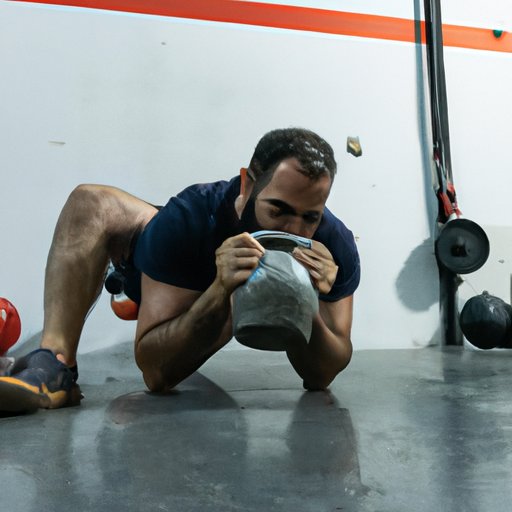
For those looking to improve their physical health, it is important to understand how long to work out for in order to achieve the best results. Working out for the right amount of time can have a significant impact on your overall fitness goals, but there is no one-size-fits-all approach to exercise. The ideal workout length will depend on a variety of factors, including your current fitness level, the type of exercise you’re doing, and your desired outcomes. This article will explore the pros and cons of working out for different periods of time and provide tips for optimizing your workout routine.
Analyzing the Pros and Cons of Working Out for Different Periods of Time
When it comes to working out, there are advantages and disadvantages to exercising for short or long periods of time. Depending on your fitness goals, one may be more beneficial than the other. Let’s take a closer look at the pros and cons of both.
Advantages of Short Workouts
Short workouts can be an effective way to get in some quick exercise if you’re short on time. Research shows that even just 10 minutes of exercise per day can have positive effects on your health. A study published in the American Journal of Health Promotion found that “people who did 10 minutes of moderate-intensity exercise five days a week improved their cardiovascular fitness by 5 percent over a three-month period.” This suggests that even brief bouts of exercise can be beneficial for your health.
Benefits of Longer Workouts
On the other hand, longer workouts can also be beneficial for your health. Research shows that engaging in regular physical activity for extended periods of time can lead to improved physical fitness, as well as improved mental health and wellbeing. A 2018 study published in the journal Medicine & Science in Sports & Exercise found that people who exercised for 30 minutes or more per day had a greater reduction in symptoms of depression than those who exercised for shorter periods of time.
Considering Intensity Levels
It’s important to consider the intensity of your workout when deciding how long to work out for. If you’re engaging in high-intensity exercises, such as sprints or HIIT (high-intensity interval training), you may find that shorter workouts are more beneficial than longer ones. High-intensity exercises require bursts of energy, which can be difficult to sustain for extended periods of time. On the other hand, low-intensity exercises, such as walking or yoga, can be performed for longer periods of time without compromising the effectiveness of the workout.
Exploring How to Maximize Workout Efficiency in a Limited Time Frame
If you’re short on time, you may be wondering how to get the most out of your workout in the shortest amount of time. Fortunately, there are several strategies you can use to maximize the efficiency of your workout in a limited time frame.
Strategies for Effective High-Intensity Interval Training
High-intensity interval training (HIIT) is a great way to get an effective workout in a short amount of time. HIIT involves alternating between periods of intense exercise and periods of rest. According to a 2017 study published in the journal Sports Medicine, “HIIT protocols with intervals lasting from 30 seconds to 4 minutes appear to be the most effective for improving aerobic capacity and muscular strength.”
Incorporating Strength Training in a Time-Efficient Manner
Strength training is another effective way to get a great workout in a short amount of time. To make the most of your workout, focus on compound movements that target multiple muscle groups simultaneously. Research shows that these types of exercises can be more effective than isolated exercises, as they allow you to engage more muscles in less time. Examples of compound movements include squats, lunges, and push-ups.
Understanding the Benefits of Working Out for Short and Long Durations
Whether you’re working out for short or long periods of time, there are several benefits associated with regular physical activity. Let’s take a look at some of the health benefits of both moderate and prolonged exercise.
Health Benefits of Moderate Exercise
Moderate exercise, such as walking or biking, can have a number of health benefits. Regular physical activity can help reduce your risk of heart disease, stroke, and diabetes, as well as lower your blood pressure and cholesterol levels. It can also help boost your mood and improve your overall quality of life.
Positive Effects of Prolonged Exercise
Prolonged exercise, such as running or swimming, can also have many positive effects on your health. Research shows that prolonged exercise can improve your cardiovascular health, increase bone density, and reduce your risk of certain cancers. Additionally, it can help reduce stress and anxiety, improve sleep, and boost your overall energy levels.
Examining Scientific Studies on Optimal Workout Lengths
While the ideal workout length will vary depending on your individual needs and goals, scientific research can provide guidance on what constitutes an effective workout. Let’s take a closer look at some of the recent findings on optimal workout lengths.
Recent Findings on Cardiovascular Fitness
A 2019 study published in the journal Frontiers in Physiology found that people who engaged in moderate-intensity exercise for at least 150 minutes per week had higher levels of cardiorespiratory fitness than those who exercised for shorter periods of time. The study concluded that “150 minutes of moderate-intensity exercise per week is an effective dose for promoting cardiorespiratory fitness.”
Investigating the Impact of Exercise Duration on Weight Loss
In addition to improving cardiovascular health, exercise can also be beneficial for weight loss. A 2020 study published in the journal Obesity Reviews examined the effects of different exercise durations on body weight and fat mass. The study found that “exercising for at least 150 minutes per week was associated with a significantly greater decrease in body weight and fat mass compared to exercising for less than 150 minutes per week.”
Investigating the Impact of Intensity on Workout Duration
The intensity of your workout can also have an impact on how long you should work out for. Let’s take a look at the relationship between intensity and duration, as well as the potential benefits of high-intensity exercise.
Understanding the Relationship Between Intensity and Duration
Research shows that there is an inverse relationship between intensity and duration. In other words, the more intense your workout is, the shorter it needs to be in order to be effective. A 2018 study published in the journal Sports Medicine found that “shorter exercise bouts of high-intensity exercise can be as effective as longer bouts of moderate-intensity exercise in terms of improving physical fitness.”
Examining the Benefits of High-Intensity Exercise
High-intensity exercise has a number of potential benefits, including improved cardiovascular fitness, increased muscle strength, and increased fat burning. A 2017 study published in the journal Medicine & Science in Sports & Exercise found that people who engaged in high-intensity exercise for 20 minutes per day had greater improvements in aerobic capacity than those who exercised for 40 minutes at a lower intensity.

Creating a Personalized Plan for Maximizing Your Fitness Goals
Once you’ve determined how long to work out for, it’s important to create a personalized plan to help you reach your fitness goals. Here are some tips for creating an effective workout plan.
Assessing Your Current Fitness Level
Before you start your workout routine, it’s important to assess your current fitness level. This will help you determine the type and intensity of exercises that are most suitable for you. It’s also a good idea to consult with a doctor or certified personal trainer before starting a new exercise program.
Setting Realistic Goals and Adjusting Your Plan Accordingly
When creating your workout plan, it’s important to set realistic goals and adjust your plan accordingly. Make sure to factor in the amount of time you have available for exercise and choose exercises that fit into your schedule. Additionally, it’s important to listen to your body and adjust your plan as needed to ensure that you’re not pushing yourself too hard or doing too much too soon.
Comparing Different Types of Exercise and Their Ideal Workout Times
Different types of exercise require different amounts of time to be effective. Let’s take a look at some of the most common types of exercise and their ideal workout times.
Analyzing Aerobic Exercise
Aerobic exercise, such as running or swimming, is an effective way to improve cardiovascular fitness. Research shows that engaging in aerobic exercise for 20 to 60 minutes per session, three to five times per week, can have a number of health benefits, including improved heart health and increased fat burning.
Examining Resistance Training
Resistance training, such as weight lifting or bodyweight exercises, is an effective way to build muscle and strength. According to a 2018 study published in the journal Sports Medicine, “in general, resistance training programs should involve 2–3 sessions per week, with each session consisting of 8–10 exercises targeting the major muscle groups.”
Evaluating Other Types of Exercise
Other types of exercise, such as yoga or Pilates, can also be beneficial for your health. The ideal workout time will vary depending on the type of exercise you’re doing, but a general rule of thumb is to aim for 30 minutes per day, three to five times per week. Remember to listen to your body and adjust your plan accordingly to ensure that you’re not pushing yourself too hard.
Conclusion
Working out for the right amount of time can have a significant impact on your overall fitness goals. Depending on your individual needs and goals, short or long workouts can both be beneficial. Scientific research can provide guidance on what constitutes an effective workout, but ultimately, the ideal workout length will depend on a variety of factors, including your current fitness level, the type of exercise you’re doing, and your desired outcomes. To maximize your fitness goals, it’s important to create a personalized plan and adjust it according to your individual needs.
(Note: Is this article not meeting your expectations? Do you have knowledge or insights to share? Unlock new opportunities and expand your reach by joining our authors team. Click Registration to join us and share your expertise with our readers.)