
Introduction
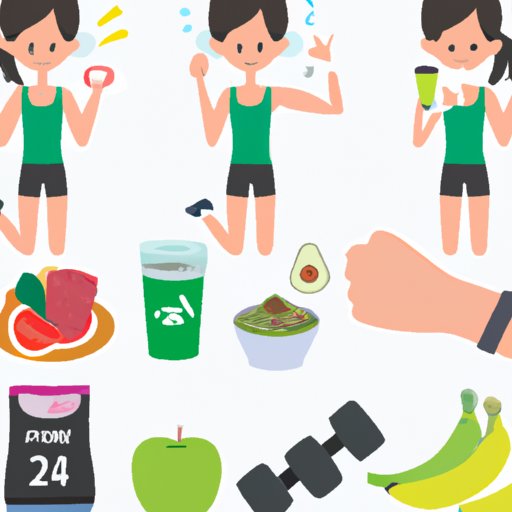
Exercising is an important part of a healthy lifestyle and diet. But when it comes to eating and working out, many people have questions about the best timing. How long should you wait after eating to work out? What happens if you eat right before or after a workout? This article will explore these questions in detail and provide some guidelines for making sure your workouts are as effective and safe as possible.
The Benefits of Waiting to Work Out After Eating
Waiting to exercise after eating has several benefits. These include improved digestion, better blood sugar control, and reduced risk of injury.
Improved Digestion
Eating and then waiting to exercise helps ensure that your body has the time and energy it needs to properly digest food. According to Dr. Robert Sallis, a sports medicine physician and spokesperson for the American College of Sports Medicine, “Exercise stimulates digestion, but if you do it too soon after eating, you may not get the full benefit.” If you don’t give your body enough time to digest, it can lead to digestive issues such as cramping, bloating, and nausea.
Improved Blood Sugar Levels
Waiting to exercise after eating can also help improve your blood sugar levels. Exercise helps lower blood sugar levels, but if you exercise too soon after eating, your blood sugar levels can drop too low. This can cause lightheadedness, dizziness, and fatigue. By waiting to exercise, you can help keep your blood sugar levels within a healthy range.
Reduced Risk of Injury
Waiting to exercise after eating can also help reduce the risk of injury. When you eat, your body sends more blood to your digestive system to help break down food. This can cause your muscles to become stiff and less responsive, increasing your risk of injury if you exercise immediately after eating. By waiting to exercise, you can give your body time to digest the food and restore your muscles’ flexibility and responsiveness.
How Long Should You Wait After Eating To Exercise?
How long you should wait to exercise after eating depends on several factors, including the type and amount of food you ate, your activity level, and your individual physiology. Generally speaking, it’s best to wait at least 30 minutes after eating before exercising.
Factors to Consider
When deciding how long to wait to exercise after eating, there are a few factors to consider. First, consider the type and amount of food you ate. If you ate a large meal, it may take longer for your body to digest it than if you ate a smaller meal. You should also consider your activity level. If you plan to do high-intensity exercise, you may need to wait longer than if you’re doing a low-intensity activity.
Recommendations
Generally, experts recommend waiting at least 30 minutes after eating before exercising. According to Dr. Sallis, “Most people should wait at least 30 minutes to an hour after eating a meal before engaging in vigorous physical activity.” If you’re doing a low-intensity activity like walking or yoga, you may be able to exercise sooner than this. However, it’s still best to wait at least 15-20 minutes after eating before starting any kind of exercise.

The Effects of Working Out Immediately After Eating
Working out immediately after eating can have several negative effects. These include poor digestion, increased risk of injury, and decreased performance.
Poor Digestion
If you exercise immediately after eating, your body won’t have enough time to properly digest the food. This can lead to digestive problems such as cramping, bloating, and nausea. It can also lead to indigestion, heartburn, and acid reflux.
Increased Risk of Injury
Exercising immediately after eating can also increase your risk of injury. When you eat, your body sends more blood to your digestive system to help break down food. This can cause your muscles to become stiff and less responsive, increasing your risk of injury if you exercise immediately after eating.
Eating Before Exercise: What’s the Right Timing?
In addition to knowing when to wait to exercise after eating, it’s also important to know when to eat before exercising. Eating before exercise can help boost your energy and performance, but it’s important to choose the right types of foods and the right timing.
Pre-Workout Meals
If you plan to exercise in the morning, it’s best to eat a light breakfast about an hour before your workout. This will give your body time to digest the food and provide energy for your workout. If you plan to exercise in the afternoon or evening, you should aim to eat a light meal or snack about two to three hours before your workout.
Post-Workout Meals
After your workout, it’s important to eat a meal or snack to replenish your energy stores and repair muscle tissue. Eating within 30 minutes of finishing your workout can help maximize the benefits of your workout and aid in recovery. Aim to eat a meal or snack that contains both carbohydrates and protein, such as a turkey sandwich or yogurt with fruit.
Pre- and Post-Workout Nutrition: When to Eat and What to Eat
It’s important to eat the right types of foods before and after your workout. Here are some tips for pre- and post-workout nutrition:
Pre-Workout Meal
For a pre-workout meal, aim to eat a combination of carbohydrates and protein. Good choices include toast with peanut butter, oatmeal with nuts and fruit, or a banana with nut butter. Avoid eating too much fat or fiber before a workout, as this can make you feel sluggish.
Post-Workout Meal
For a post-workout meal, aim to eat a combination of carbohydrates and protein. Good choices include a turkey sandwich, yogurt with fruit, or a smoothie with protein powder. You should also include some healthy fats like nuts, seeds, or avocado. Avoid eating too much sugar after a workout, as this can lead to an energy crash.
Conclusion
Eating and exercising at the right times can help ensure that your workouts are as effective and safe as possible. Generally, it’s best to wait at least 30 minutes after eating before exercising. Working out immediately after eating can lead to poor digestion, increased risk of injury, and decreased performance. Eating the right types of foods before and after your workout can also help maximize the benefits of your workout and aid in recovery. With the right timing and nutrition, you can make sure your workouts are as productive and safe as possible.
(Note: Is this article not meeting your expectations? Do you have knowledge or insights to share? Unlock new opportunities and expand your reach by joining our authors team. Click Registration to join us and share your expertise with our readers.)