
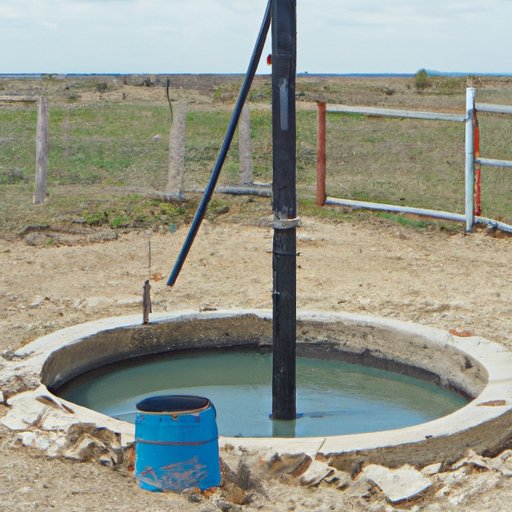
Introduction
A well is an excavation made in the ground to access water, oil, or other subsurface resources. They are typically created by drilling, digging, or driving into the earth’s surface. But how long do wells last? The answer depends on several factors, such as the type of well, the quality of the groundwater, and regular maintenance.

Types of Wells and How Long They Last
The longevity of a well varies depending on the type of well installed. According to the U.S. Geological Survey (USGS), shallow wells can last anywhere from 20 to 50 years, while deep wells have a lifespan of up to 100 years. Artesian wells, which are drilled into rock formations and have been used for centuries, can last indefinitely if properly maintained.
What Factors Affect the Longevity of Wells?
The lifespan of a well can be impacted by a number of factors, such as the quality of the groundwater, the age of the well, and regular maintenance. Poor-quality groundwater can cause corrosion and sediment buildup, which can reduce the life expectancy of a well. Regular maintenance is also essential for keeping a well running smoothly and avoiding costly repairs or replacements.
Common Problems that Shorten Well Life
In addition to poor water quality, there are a number of other issues that can reduce the lifespan of a well. Contamination from nearby sources can seep into the well, leading to health risks and damage to the equipment. Corrosion due to acidic water or improper installation can also lead to mechanical failures. Finally, mechanical issues such as broken pumps or worn-out parts can reduce the life expectancy of a well.
The Benefits of Regular Well Maintenance
Regular maintenance is key to ensuring the longevity of a well. This includes testing the water quality regularly, inspecting well components, and ensuring proper installation. Regular maintenance can help improve water quality, reduce the risk of contamination, and prolong the lifespan of the well.

Tips for Prolonging the Life of Your Well
There are a few simple steps you can take to extend the life of your well. First, test the water quality regularly to ensure it is safe for drinking. Second, inspect well components for signs of corrosion or wear and tear. Finally, make sure your well was installed properly to avoid any leaks or other issues.

The Cost of Replacing A Well
If your well has reached the end of its lifespan, you may need to replace it. The cost of replacing a well varies depending on several factors, such as the size of the well, the type of pump needed, and the depth of the well. On average, a new well can cost anywhere from $2,000 to $10,000. Financing options are available to help offset the cost of a new well.
Conclusion
Wells can last anywhere from 20 to 100 years, depending on the type of well, the quality of the groundwater, and regular maintenance. Common problems like contamination and corrosion can shorten the life expectancy of a well, so it’s important to take steps to protect it. Regularly testing the water quality, inspecting well components, and ensuring proper installation can help prolong the life of your well.
(Note: Is this article not meeting your expectations? Do you have knowledge or insights to share? Unlock new opportunities and expand your reach by joining our authors team. Click Registration to join us and share your expertise with our readers.)