
Introduction
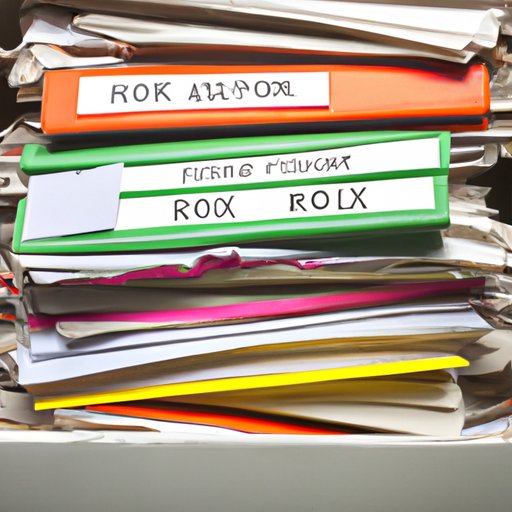
Keeping accurate financial records is essential for any business or individual. It is important for many reasons, including ensuring compliance with government regulations and providing evidence of income and expenses. It is also helpful for tracking progress over time and making informed decisions about future financial goals.
The legal requirements for retaining financial records vary from country to country and depend on the type of record being kept. Different types of documents have different retention periods, so it is important to understand what records must be kept and for how long.
What to Keep and How Long: An Overview of Financial Record Retention
Financial records can be divided into two main categories: transactional records and tax records. Transactional records include all documents related to purchases, sales, income, expenses, payments, and investments. Tax records include all documents related to taxes, such as receipts, invoices, statements, and returns.
The length of time that financial records should be kept depends on the type of record and the purpose for which it is being kept. Generally, transactional records should be kept for at least three years, while tax records should be kept for seven years. However, some records may need to be kept for longer periods, depending on the situation.
There are several benefits to keeping financial records for a longer period. These include improved accuracy when filing taxes, better insight into past financial performance, and protection against potential litigation. Additionally, keeping records for a longer period ensures that important documents will not be lost or misplaced.

How to Properly Store and Organize Financial Records
Organizing financial records is essential for easy retrieval and efficient use of time. The best way to organize financial records is to create a filing system. This system should include folders for each type of document and subfolders for each year. Additionally, files should be labeled clearly and consistently to make them easier to find.
Financial documents should be stored securely in a safe place. Paper documents should be stored in a fireproof cabinet or safe, while digital documents should be backed up regularly and stored in a secure cloud storage system. Documents should also be protected from unauthorized access.
Understanding Tax Record-Keeping Requirements
Tax record-keeping is an integral part of running a business or filing taxes as an individual. It is important to understand the rules and regulations surrounding tax record-keeping in order to ensure compliance. Most countries require businesses to keep records for at least three years, while individuals must keep records for at least seven years.
To ensure compliance with tax record-keeping regulations, it is important to keep detailed records of all income and expenses. This includes invoices, receipts, bank statements, payment records, and other relevant documents. Additionally, it is important to keep track of deadlines for filing taxes and other important dates.

What to Do When You No Longer Need Financial Records
Once financial records are no longer needed, it is important to dispose of them securely. This includes shredding paper documents, wiping digital documents, and deleting backups. It is also important to follow applicable laws and regulations when disposing of financial records.
When disposing of sensitive financial documents, it is important to be mindful of privacy laws and data security regulations. Additionally, it is important to ensure that documents are disposed of in a way that prevents them from falling into the wrong hands.
Conclusion
Keeping financial records is essential for businesses and individuals alike. Different types of documents have different retention periods, so it is important to understand what records must be kept and for how long. Additionally, it is important to properly store and organize financial records, as well as understand and comply with tax record-keeping regulations.
When disposing of financial records, it is important to follow applicable laws and regulations and take measures to protect the privacy of sensitive information. By following these guidelines, businesses and individuals can ensure that their financial records are kept securely and for the appropriate amount of time.
(Note: Is this article not meeting your expectations? Do you have knowledge or insights to share? Unlock new opportunities and expand your reach by joining our authors team. Click Registration to join us and share your expertise with our readers.)